Stone Look Art: Bringing Natural Wall Texture Into Minimalist Interiors
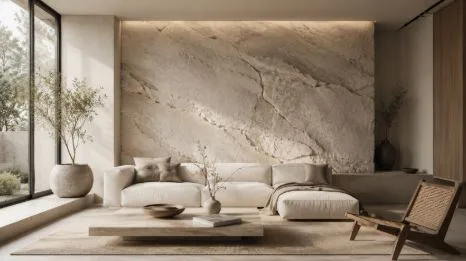
The Quiet Power of Stone-Inspired Walls
Minimalist interiors are often described through absence, fewer objects, cleaner lines, softer palettes, and open space. Yet the most memorable minimalist rooms rarely feel empty. They feel intentional, grounded, and quietly expressive. This is where Stone Look Art becomes a powerful design element. It brings the calm strength of nature indoors without overwhelming the room or competing with its simplicity.
A stone-inspired feature does more than decorate a wall. It introduces Wall Texture, depth, and a sense of permanence. In a home where every object has a reason to exist, texture becomes one of the most meaningful visual tools. Instead of relying on heavy ornamentation, stone surfaces create interest through shadow, tone, and touch.
Modern homeowners are increasingly drawn to spaces that feel peaceful but not sterile. Natural materials, muted colors, and organic surfaces help achieve that balance. Stone-inspired art fits beautifully into this movement because it supports a Natural Aesthetic while still aligning with refined Interior Design principles.
Why Texture Matters in Minimalist Spaces
Minimalism is not about making a room plain. It is about removing visual noise so the right details can breathe. When a space has too many colors, patterns, or decorative items, the eye has nowhere to rest. But when the room is simplified, even subtle texture becomes noticeable and valuable.
Wall Texture adds quiet movement to a minimalist room. A smooth white wall may feel clean, but a stone-like surface can feel alive. Small variations in surface depth catch natural light throughout the day. Morning sun may reveal soft ridges, while evening shadows can make the same wall feel warmer and more intimate.
This is especially important in rooms designed around neutral tones. Beige, ivory, clay, greige, warm gray, and soft taupe can look flat when used without contrast. Stone-inspired surfaces solve this by adding dimension without forcing a dramatic color change. The result is calm, layered, and sophisticated.
Texture also changes the emotional quality of a room. Smooth surfaces often feel polished and modern, while stone effects feel rooted and stable. Together, they create a balanced atmosphere that feels both contemporary and connected to the natural world.
Stone Look Art as a Modern Design Statement
Stone Look Art is not limited to rustic homes or traditional interiors. In fact, it can feel especially fresh in modern spaces. The key is restraint. Instead of covering every wall, many designers use one stone-inspired piece or feature area to create a focal point.
In a minimalist living room, a stone-look art panel above a low-profile sofa can replace the need for multiple framed prints. In a bedroom, a textured wall behind the headboard can create a soothing backdrop without adding clutter. In an entryway, a stone-inspired surface can immediately establish a sense of calm and quality.
The phrase Stone Look Art, Wall Texture, Interior Design, Minimalist Decor, Natural Aesthetic brings together the core ideas behind this approach. It is about using surface, material, and proportion to create beauty that feels understated rather than decorative for its own sake.
The best stone-inspired interiors do not shout for attention. They invite the eye to slow down. They allow a room to feel curated while still feeling comfortable and livable.
Choosing the Right Tone and Finish
Color plays a major role in how stone-inspired art affects a space. Minimalist Decor usually works best with natural, muted tones because they support harmony rather than contrast. That does not mean every wall must be beige or gray. It means the colors should feel grounded and easy to live with.
Popular tones for stone-inspired walls include:
- Warm limestone for soft, welcoming interiors
- Pale travertine for elegant, sunlit rooms
- Charcoal slate for a stronger architectural mood
- Sandstone beige for relaxed, organic warmth
- Soft gray marble effects for refined modern balance
Finish matters just as much as color. A matte surface feels earthy and calm. A lightly polished surface can feel more formal. A rougher texture may suit a relaxed living area, while a smoother stone effect may work better in a dining room, hallway, or office.
The goal is to match the energy of the room. A bedroom usually benefits from gentler tones and softer texture. A living room can handle more visual depth. A bathroom or entryway can often support a bolder stone effect because people experience those spaces in shorter moments.
Creating Balance With Furniture and Decor
Stone-inspired walls have a strong presence, even when the colors are neutral. To keep the room balanced, the surrounding furniture should be simple and thoughtfully chosen. Clean-lined sofas, low wooden tables, linen upholstery, and sculptural lighting all work well with this type of surface.
Natural materials are especially effective. Wood softens the coolness of stone. Linen adds comfort. Ceramic objects echo the handmade quality of earth-based design. Metal accents, when used sparingly, can bring a crisp modern edge.
A good rule is to let the textured wall lead the room. Instead of filling the space with many decorative items, choose fewer pieces with better form and material quality. One ceramic vase, one woven rug, or one large plant can do more than a crowded shelf of accessories.
Negative space is also part of the design. A stone-inspired wall needs room around it so its texture can be appreciated. When every surface is filled, the calming effect is lost.
Where Stone-Inspired Texture Works Best
Stone-inspired walls are versatile, but placement makes a major difference. In minimalist interiors, the most effective locations are usually areas that already have a natural focal point.
A living room feature wall can anchor the seating area and create visual warmth. A bedroom wall behind the bed can make the room feel restful and complete. A dining area can benefit from stone texture because it adds atmosphere without requiring busy artwork. Even a small reading corner can feel more intentional with a textured backdrop.
Bathrooms are another excellent place for stone-inspired surfaces. When paired with simple fixtures, soft lighting, and warm towels, the space can feel similar to a quiet spa. In home offices, stone texture can reduce the coldness of modern desks and technology, making the room feel more human and focused.
Hallways and entryways should not be overlooked. These transitional areas often lack personality, but a stone-look wall can give them depth without taking up floor space.
Lighting That Enhances Natural Texture
Lighting can completely change the appearance of Wall Texture. A stone-inspired surface needs light that reveals its depth rather than flattening it. Natural light is ideal, but artificial lighting can be just as effective when planned carefully.
Wall washers, soft sconces, and directional spotlights can highlight texture beautifully. The light should skim across the surface instead of hitting it directly from the front. This creates gentle shadows that make the texture visible.
Warm lighting usually works better than cool lighting because it enhances the natural tones in stone. A temperature that feels soft and inviting will help the room maintain its calm atmosphere. Harsh white lighting can make stone surfaces look cold or artificial.
Layered lighting is especially useful. Combine ambient lighting with accent lighting so the room can shift from bright and practical during the day to relaxed and atmospheric in the evening.
Bringing Nature Indoors Without Clutter
Many people want a home that feels connected to nature, but they do not want a room filled with plants, patterns, or rustic details. Stone-inspired art offers a subtle solution. It brings the feeling of landscape, earth, and natural formation into the home in a clean, controlled way.
This approach fits well with contemporary Interior Design because it respects both simplicity and sensory richness. A room can remain minimal while still feeling warm. It can feel modern while still carrying the emotional comfort of natural materials.
To strengthen the effect, pair stone-inspired walls with other quiet natural elements. Think of pale oak flooring, cotton curtains, handmade bowls, wool rugs, and soft greenery. Each material should contribute gently rather than compete for attention.
The result is not a themed room. It is a layered environment where every detail feels calm, useful, and connected.
A Grounded Way to Live With Beauty
Stone-inspired wall art has lasting appeal because it does not depend on trends. Its beauty comes from texture, tone, and nature itself. In minimalist interiors, where every choice is visible, this kind of surface can transform a plain room into a peaceful retreat.
Stone Look Art offers a way to bring depth into clean spaces without adding clutter. It supports Minimalist Decor while giving the home a richer, more grounded character. With the right tone, placement, lighting, and surrounding materials, a stone-inspired wall can become the quiet center of a room.
For anyone creating a modern home that feels calm, balanced, and personal, this design direction is worth considering. It proves that simplicity does not have to feel empty. When shaped by natural texture and thoughtful detail, simplicity can feel deeply alive.