Complete Ontario Hunting Season Prep Guide for 2026
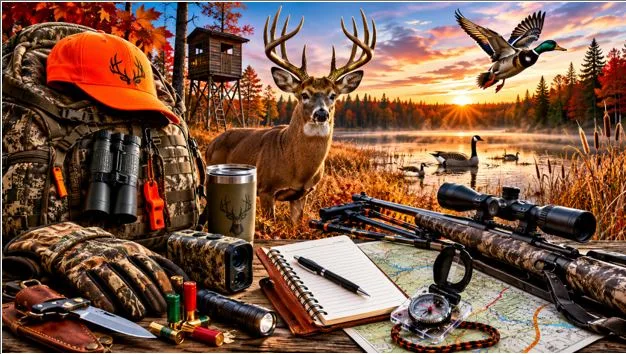
Ontario’s hunting season is one of the most varied in North America. Within a single province, hunters chase whitetail deer through agricultural fence lines in the south, track moose across boreal forest in the north, call wild turkey in mixed hardwoods, and still find time for small game and waterfowl along the way. That variety is part of what makes Ontario hunting special — but it also means real preparation matters more here than almost anywhere else.
Whether this is your first season with a PAL in hand or your twentieth fall in the bush, the work you put in before opening day usually matters more than anything you do once you’re in the stand. Here’s a practical, season-by-season approach to getting ready.
Start With the Regulations, Not the Gear
Every season, Ontario’s hunting regulations shift slightly — Wildlife Management Unit boundaries, season dates, tag allocations, and antler restrictions can all change year to year. Before you plan anything else, pull the current Hunting Regulations Summary for your WMU and read it properly, not just skim the dates.
Pay particular attention to:
- Season opening and closing dates for your specific WMU, since they vary significantly across the province
- Any antler point restrictions or antlerless validation requirements in your zone
- Crown land access rules if you’re hunting outside a private lease
- Reporting requirements after a successful harvest
A few hours with the regulations book saves a lot of grief later, and it’s the one piece of prep that genuinely cannot be skipped.
Scout Early, Scout Often
Ontario’s terrain rewards hunters who put boots on the ground well before the season opens. Whether you’re after whitetail in farm country or moose in the bush, the principles are the same: find sign, understand travel patterns, and confirm food and water sources before you commit to a stand or blind location.
For southern Ontario whitetail hunters, this means walking field edges and woodlots in late summer to identify active trails, rub lines, and bedding cover. Trail cameras placed in August give you a real picture of what’s moving through an area before you ever step in to hunt it. In the agricultural belt, deer movement often shifts dramatically once crops are harvested, so scouting in September can look very different from what you’ll find in late October.
Northern hunters chasing moose face a different challenge — vast, often roadless terrain where scouting means studying topographic maps, identifying old burns and regenerating cutblocks (prime moose feeding habitat), and locating water in dry years. A late-summer canoe trip or ATV scout along logging roads can be the difference between a week of frustration and a successful hunt.
Get Your Gear Squared Away Before October
The single biggest mistake new and returning hunters make is leaving gear prep until the week before opening day. Ontario’s late-season weather is genuinely unpredictable — a mild October afternoon can turn into a sub-zero November morning within the same week — and your equipment needs to be ready for that range before you’re standing in a blind realizing your jacket isn’t warm enough.
A proper pre-season checklist should include:
- Confirming your firearm or equipment is sighted in and functioning correctly well ahead of opening day, ideally with a trip to the range rather than a last-minute check
- Testing and replacing batteries in trail cameras, headlamps, and any electronic calls
- Layering apparel appropriately for temperature swings — base, mid, and outer layers that can be added or shed through a long sit
- Packing a complete field dressing and game-recovery kit, including rope, gloves, and a sharp, properly maintained knife
- Reviewing your first aid kit and making sure it’s stocked for backcountry conditions, not just a basic home kit
If you’re sourcing or servicing equipment ahead of the season, dealing with a licensed Ontario retailer who can walk you through fit and function in person is worth the trip — places like Victory Ridge Sports in Barrie offer that kind of hands-on guidance alongside Canada-wide shipping for hunters outside the immediate area.
Physical Conditioning Matters More Than Most Hunters Admit
Northern Ontario moose hunts in particular can mean miles of walking through dense bush, often dragging gear or, with luck, a harvested animal back to a vehicle or canoe. Even a southern Ontario deer hunt can involve long, cold sits and unexpectedly long drags. A few weeks of walking with a loaded pack before the season opens makes a meaningful difference in how much ground you can comfortably cover — and how safely you can handle a long, physically demanding day in the field.
Sharpen Field Skills, Not Just Equipment
Time in the field before the season isn’t only about scouting locations — it’s about rehearsing the skills you’ll need to execute under pressure. Practice range estimation in terrain similar to where you’ll hunt. If you’re calling turkey or using a grunt call for whitetail, spend time getting comfortable with the cadence and volume rather than learning on the fly during a hunt. Review safe firearm handling procedures, particularly tree stand safety harness use, since a disproportionate number of hunting injuries in Ontario come from falls rather than firearms incidents.
Understand the Ethics of the Hunt
Good preparation isn’t only practical — it’s also ethical. Ontario hunters carry a responsibility to the animals they pursue and to the broader public perception of hunting as a conservation tool. That means taking only shots within your demonstrated effective range, prioritizing quick, clean harvests over opportunistic ones, and following up thoroughly on any hit animal, however marginal the shot felt. It also means respecting landowner permissions, posted boundaries, and Crown land etiquette — the access hunters enjoy in Ontario depends on maintaining good relationships with the landowners and communities around hunting areas.
Build Your Pre-Season Timeline
A simple way to stay organized heading into fall:
- June–July: Review regulations, renew licences, begin scouting trips, start a conditioning routine
- August: Set trail cameras, pattern animal movement, confirm equipment is sighted in and serviced
- September: Finalize stand or blind locations, complete apparel and gear checks, practice calling and range estimation
- October: Final scouting updates, weather-appropriate gear staged and ready, first aid and recovery kits packed
For hunters looking for a single resource to handle equipment, optics, and apparel needs in one stop, dealers carrying a bolt action rifle alongside outdoor apparel and accessories can simplify the pre-season shopping list considerably.
Final Thoughts
Ontario’s hunting seasons reward preparation more than almost any other variable. The hunters who consistently fill tags aren’t necessarily the most naturally gifted shots — they’re the ones who scouted early, respected the regulations, conditioned their bodies, and treated the ethical side of the hunt as seriously as the practical side. Put the work in before October, and the season itself becomes far more about enjoying Ontario’s wild places than scrambling to catch up.
Hunt safely, hunt ethically, and make the most of what this province has to offer.