How a Food Printer Works and Why It Is Changing the Way We Eat
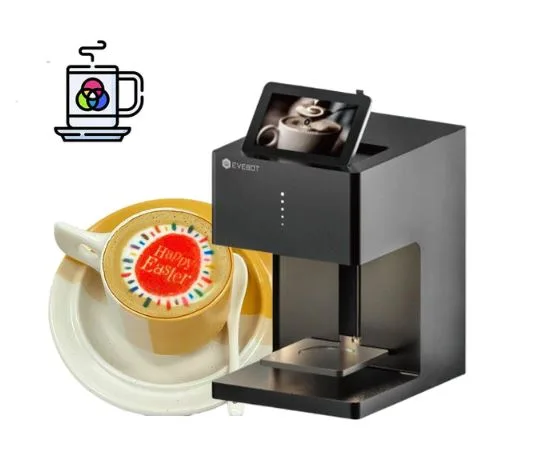
Food has always been personal. People have different tastes, health needs, and creative ideas about what they want to eat. But the way we actually make food has stayed pretty much the same for hundreds of years. You pick ingredients, apply heat, and put the dish together by hand. That process is now changing. A food printer is one of the most interesting tools to come out of modern food technology. It is not just a novelty. It is a real shift in how food gets made, from the kitchen counter to the hospital tray to the space station.
What Is a Food Printer?
A food printer works in a way that is not too different from a regular office printer. Instead of ink, it pushes out food. The machine uses one or more cartridges filled with edible ingredients. These can include chocolate, dough, cheese, pureed vegetables, sugar paste, or even meat alternatives. The printer follows a digital design file. Layer by layer, it builds the food item from the bottom up.
So in simple terms, you load the ingredients, upload or choose a design, press start, and the machine does the rest. The result can be a cake decoration, a full meal, a personalized snack, or even a medically tailored dish for someone who has trouble swallowing.
How the Technology Actually Works
There are a few different methods that food printers use. The most common one is called extrusion. This method squeezes soft or semi-liquid food through a nozzle, similar to how a caulk gun works. As a result, it works well with materials like frosting, chocolate, mashed potato, and soft cheese.
Another method uses binder jetting. In this case, a liquid is sprayed onto a powder base to harden it layer by layer. This works well for sugar sculptures and edible decorations. A third approach uses inkjet technology to spray flavors, colors, or nutrients onto existing food surfaces. Each method has its strengths, and many modern food printers combine more than one technique.
Where Food Printers Are Being Used Today
The uses for a food printer are broader than most people expect. Here are some of the main areas where this technology is making a difference:
- Hospitals and care homes: Patients with dysphagia, a condition that makes swallowing difficult, need soft or pureed food. A food printer can reshape that food into something that looks like a normal meal. This helps with dignity and appetite.
- Personalized nutrition: Some companies are building systems where a food printer can create meals based on a person’s exact dietary needs, including specific amounts of protein, fat, vitamins, and calories.
- Commercial kitchens and bakeries: Chefs use food printers to create detailed decorations on cakes and pastries that would take hours to do by hand. The machine does it in minutes.
- Space exploration: NASA and other agencies have looked into food printing as a way to provide astronauts with nutritious, customizable meals during long missions.
Why People Are Excited About It
One reason people find the food printer so interesting is that it reduces food waste. Traditional cooking often leaves behind scraps or unused portions. With a printer, you use exactly what you need. Nothing more, nothing less. Furthermore, the ability to create precise portions means people can manage their health more easily.
Another big reason is creativity. Designers, chefs, and everyday home cooks can build shapes and structures that hands simply cannot replicate. Think of a chocolate sculpture with internal spirals, or a snack shaped like a personalized logo. These are things that were not possible before this technology.
There is also the matter of accessibility. Someone who is not a trained cook can still produce a well-designed meal using a food printer. You just need the right cartridges and a good design file. Because of this, the tool has real potential for people with disabilities or limited cooking ability.
What Are the Challenges?
Of course, this technology is not without its hurdles. The range of ingredients that work well in a food printer is still fairly limited. Many foods have complex textures or require heat reactions that are hard to replicate through layered printing. A perfectly seared steak, for example, is not something a food printer can produce yet.
The cost is also a barrier. High-quality food printers are still expensive for most households. However, just like home computers and laser printers came down in price over time, the same trend is expected here. Additionally, some people are simply not comfortable with the idea of machine-made food. There is a cultural attachment to handmade cooking that is hard to replace.
The Future of Printed Food
The future looks promising. Researchers are working on expanding the range of printable ingredients. Some teams are developing bio-printing methods that could eventually produce lab-grown meat through a food printer. Others are focused on making the machines smaller, faster, and easier to clean.
Moreover, software is improving. Just as graphic design programs became simple enough for non-designers to use, food design software is heading in the same direction. Soon, you may be able to pull up a nutrition plan from your doctor, feed it into an app, and have your food printer make exactly what your body needs that day.
As a result, the gap between food science and everyday cooking continues to shrink. The food printer sits right at that intersection. It is not about replacing the joy of cooking. Instead, it is about giving people more control, more options, and more ways to make food work for them.
Whether you are a chef looking to push creative limits, a caregiver trying to improve a patient’s meal experience, or simply someone curious about where food technology is headed, the food printer is worth paying attention to. It is still growing. But the direction it is heading is clear.