D2 DTF Printer: The Complete Guide to High-Quality Direct-to-Film Printing
Introduction
The custom apparel industry has changed dramatically in recent years, and Direct-to-Film (DTF) technology has become one of the most popular printing methods for businesses of all sizes. Whether you are starting a small custom T-shirt business or expanding an existing print shop, investing in a reliable D2 DTF Printer can help you produce vibrant, durable, and professional-quality transfers with greater efficiency.
Unlike traditional printing methods that often require complex setup processes or material limitations, DTF printing offers versatility and ease of use. It allows users to print designs on transfer film and apply them to a wide range of fabrics, including cotton, polyester, blends, and specialty textiles. This flexibility makes DTF technology highly attractive for entrepreneurs and established businesses alike.
As demand for personalized clothing continues to grow, understanding how DTF printing works and how to build an efficient workflow becomes increasingly important. This guide explores everything you need to know about DTF printing, including equipment requirements, workflow optimization, production quality, business opportunities, and long-term benefits.
Why the D2 DTF Printer Is Transforming Custom Apparel Production
The rise of DTF technology has introduced a more accessible solution for garment decoration. A modern DTF printer enables users to create detailed designs with sharp lines, vibrant colors, and excellent wash resistance. These qualities are essential for businesses looking to deliver premium products to customers.
One of the biggest advantages of a DTF system is its compatibility with multiple fabric types. Traditional methods may require different equipment for different materials, but DTF transfers can often be applied to cotton, polyester, canvas, denim, and blended fabrics using the same workflow. This versatility reduces production complexity and expands product offerings.
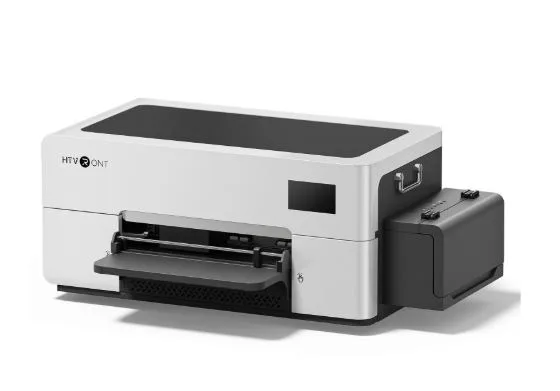
The D2 DTF Printer stands out because it is designed to support consistent print quality and efficient production. Businesses can handle custom orders, short runs, and larger production batches without sacrificing image quality. This capability helps reduce operational bottlenecks while maintaining customer satisfaction.
Another factor driving adoption is the growing demand for personalized products. Consumers increasingly seek custom apparel for events, businesses, sports teams, and personal use. DTF technology enables quick design changes and rapid production turnaround, making it ideal for meeting these evolving market demands.
Understanding the Complete DTF Printing Workflow
A successful DTF printing operation depends on more than just the printer itself. The entire workflow includes design preparation, printing, powder application, curing, and heat transfer. Each stage contributes to the final product’s quality and durability.
The process begins with digital artwork creation. High-resolution designs produce the best results, ensuring clear details and vibrant color reproduction. Once the artwork is prepared, the printer applies specialized inks onto transfer film. The design is printed in reverse, allowing it to transfer correctly onto the garment.
After printing, adhesive powder is applied to the wet ink. This powder acts as the bonding agent between the design and the fabric. Proper powder application is essential because uneven coverage can affect transfer quality and durability.
The next step involves curing the adhesive powder. A quality DTF Oven plays a critical role during this stage. Consistent heating ensures the adhesive melts evenly and bonds correctly with the printed design. Proper curing improves transfer durability, color retention, and wash resistance.
Once curing is complete, the transfer is ready for application. The design is placed on the garment and pressed using heat and pressure. When performed correctly, the result is a vibrant, flexible, and durable print that can withstand repeated washing and everyday wear.
The Importance of a DTF Oven for Consistent Results
Many newcomers focus primarily on printer selection while overlooking the importance of curing equipment. However, curing is one of the most critical steps in the DTF production process. Even the highest-quality prints can suffer if adhesive powder is not cured properly.
A dedicated DTF Oven provides controlled and even heating across the transfer film. This consistency helps ensure that adhesive powder melts uniformly, reducing defects and improving transfer performance. Uneven curing can lead to peeling, cracking, or poor adhesion after washing.
Production efficiency is another major benefit of using a dedicated curing system. Businesses handling multiple orders require a workflow that supports consistent output without excessive manual intervention. A reliable oven allows operators to process transfers more efficiently while maintaining quality standards.
Temperature control is especially important when producing large batches. Consistent curing conditions help reduce waste and minimize costly reprints. Over time, this contributes to lower operating costs and improved profitability.
Professional print shops understand that every stage of production influences customer satisfaction. Investing in a quality curing solution supports better product durability, stronger brand reputation, and increased repeat business.
How Heat Press Technology Completes the Transfer Process
The final stage of DTF production involves transferring the cured design onto fabric. This step requires accurate temperature, pressure, and timing to achieve optimal results. A dependable heat press ensures that transfers bond correctly to the garment surface.
Proper pressure distribution is essential for creating durable transfers. Uneven pressure can cause sections of the design to adhere improperly, resulting in reduced durability and inconsistent appearance. Professional heat presses are designed to maintain uniform pressure across the entire transfer area.
Temperature accuracy also plays a crucial role. Excessive heat may damage fabrics or affect design quality, while insufficient heat can weaken adhesion. Reliable heat press equipment helps operators maintain consistent production standards across different garment types.
Another advantage of modern heat press systems is their versatility. Beyond DTF transfers, many businesses use the same equipment for sublimation projects, vinyl applications, and other customization methods. This flexibility maximizes equipment value and expands service offerings.
As businesses scale production, workflow efficiency becomes increasingly important. A quality heat press contributes to faster turnaround times while ensuring every finished garment meets customer expectations.
Business Opportunities Created by DTF Printing Technology
The growth of personalized products has created significant opportunities for entrepreneurs. DTF technology offers a relatively accessible entry point into the custom apparel market while providing the flexibility needed to serve diverse customer segments.
Small businesses can create custom T-shirts, hoodies, tote bags, uniforms, sportswear, and promotional products without maintaining large inventories. On-demand production reduces financial risk and allows businesses to respond quickly to market trends.
Corporate clients often require branded apparel for employees, events, and promotional campaigns. DTF printing provides an efficient solution for producing professional-quality garments in both small and large quantities. The ability to handle short runs profitably is particularly valuable in this segment.
The e-commerce sector also presents substantial growth opportunities. Online stores can offer customized products without extensive manufacturing infrastructure. By leveraging DTF technology, sellers can fulfill personalized orders efficiently while maintaining high-quality standards.
Additionally, local businesses, schools, sports teams, and community organizations frequently require customized apparel. These recurring customer groups can provide steady revenue streams for print businesses equipped with reliable DTF production systems.
Maximizing Quality and Long-Term Performance
Producing exceptional DTF transfers requires attention to both equipment and process management. Consistency is achieved through proper maintenance, quality materials, and adherence to recommended production procedures.
Regular printer maintenance helps prevent nozzle clogs and ensures accurate color reproduction. Clean print heads and routine inspections contribute to reliable performance and reduce downtime. Preventive maintenance is often more cost-effective than addressing major equipment issues later.
Material quality also has a direct impact on finished products. Premium transfer films, inks, and adhesive powders typically produce better color vibrancy, stronger adhesion, and improved durability. Investing in quality consumables can significantly enhance customer satisfaction.
Environmental conditions should not be overlooked. Temperature and humidity levels can influence printing and curing performance. Maintaining a stable production environment helps improve consistency and reduce variability between production runs.
Continuous testing and quality control remain essential. Businesses that monitor production standards closely are better positioned to identify issues early and maintain a strong reputation for reliability and excellence.
Conclusion
The modern apparel customization industry continues to evolve, and the D2 DTF Printer has emerged as a powerful solution for businesses seeking flexibility, efficiency, and professional-quality results. By enabling vibrant prints on a wide range of fabrics, DTF technology helps businesses meet growing consumer demand for personalized products.
Success with DTF printing depends on more than just the printer. A reliable DTF Oven ensures proper curing, while a dependable heat press completes the transfer process with consistent pressure and temperature control. Together, these components create a streamlined workflow capable of producing durable, high-quality apparel.
For entrepreneurs, print shops, and growing apparel brands, investing in the right DTF equipment can open new business opportunities, improve production efficiency, and support long-term growth. As customization continues to shape the future of fashion and promotional products, DTF printing remains one of the most practical and scalable solutions available today.