Common Fire Protection Issues and How to Address Them
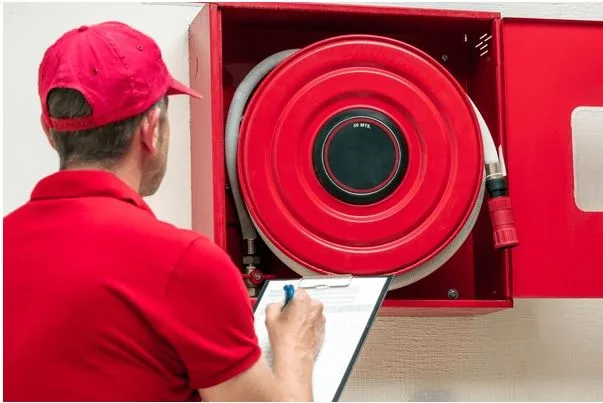
Fire protection systems are only effective when properly installed, regularly tested, and well-maintained. When components fail or fall out of compliance, the consequences can be severe. Knowing the most common issues helps property owners stay ahead of problems.
In a state like Michigan, property owners manage a wide range of commercial, industrial, and residential buildings, many built under older fire codes. The state’s mix of aging buildings, manufacturing facilities, urban areas, and suburban communities creates various fire protection challenges. Located in the Great Lakes region, Michigan also experiences cold winters and seasonal weather changes that can affect fire protection equipment over time.
Keeping systems current across such varied building stock requires contractors who understand both local conditions and evolving NFPA standards. Fire Systems of Michigan has built a strong regional reputation for identifying code gaps and restoring systems to full operational status across the state.
Understanding the most common fire protection issues is an important first step toward reducing risk and improving safety.
Outdated or Improperly Installed Sprinkler Systems
Sprinkler systems are among the most frequently cited sources of compliance failures. Older systems may no longer meet current NFPA standards, especially after layout changes or occupancy shifts.
A room addition or interior renovation can render an existing sprinkler layout inadequate. Sprinkler heads placed too close to obstructions or spaced too far apart reduce system effectiveness.
Any system that has not been professionally reviewed in the past few years should be evaluated by a licensed fire protection contractor.
Smoke and Heat Detector Problems
Detectors are the first line of warning in any fire event, yet they are frequently found dead, disconnected, or past their service life. Most smoke detectors carry a recommended replacement window of ten years.
Many building owners are unaware that their units have exceeded that threshold. Regular checks and timely replacements are simple steps that are often overlooked.
Common Detector Issues to Watch For
- Dead or missing batteries in battery-operated units.
- Detectors painted over during renovations, blocking sensor openings.
- Units are placed too close to kitchens or HVAC vents, causing false alarms.
- Expired devices not replaced within the manufacturer’s recommended window.
If one unit in an interconnected system fails, gaps in coverage can develop across an entire floor or zone.
Fire Extinguisher Compliance Gaps
Fire extinguishers require annual inspections and periodic internal maintenance. An extinguisher that looks fine on the outside may have a compromised charge or a cracked hose. Visual checks by untrained staff are not a substitute for certified annual inspections. Many properties fall behind on this requirement without realizing they are out of compliance.
Placement is another frequent issue. Extinguishers must be mounted at the correct height and within the travel distance required by code. Space reconfigurations often leave units blocked or hard to access.
Steps to Take
Addressing fire protection issues requires a structured approach rather than reactive fixes after a citation.
- Schedule a full system inspection by a licensed contractor at least once per year.
- Test smoke and heat detectors monthly and replace any unit older than ten years.
- Confirm sprinkler head placement after any interior renovation or layout change.
- Have fire extinguishers professionally inspected annually and verify placement after reconfigurations.
- Keep a maintenance log documenting all inspections, repairs, and replacements.
- Review NFPA code requirements any time a building undergoes a change in occupancy or use.
Key Takeaways
- Sprinkler systems must be re-evaluated after any renovation or occupancy change.
- Smoke detectors older than ten years should be replaced, regardless of their apparent condition.
- Annual certified inspections are required for extinguishers, not just visual walkthroughs.
- Painted-over or improperly placed detectors are among the most commonly overlooked failures.
- A detailed service log protects building owners during audits and insurance reviews.
- Fire protection gaps are almost always preventable with consistent scheduled maintenance.
- Licensed contractors should assess any system not professionally reviewed in recent years.