Mechanical Push Button for Durable and Efficient Control Systems
Introduction
Mechanical push buttons are widely used in industrial automation, traffic control systems, machinery, and public infrastructure. Known for their reliability, simplicity, and long service life, these devices provide a dependable method for controlling electrical circuits and activating specific functions.
A mechanical push button offers tactile feedback, easy operation, and robust performance, making it an ideal choice for environments where durability and consistent operation are essential. From pedestrian crossings to industrial control panels, mechanical push buttons continue to play a critical role in modern electrical systems.
What Is a Mechanical Push Button?
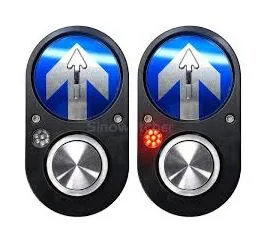
A mechanical push button is an electromechanical switching device that operates when physical pressure is applied to its actuator. Pressing the button opens or closes an electrical circuit, allowing users to control equipment, signals, or machinery.
These buttons are commonly found in:
- Traffic signal systems
- Pedestrian crossing controls
- Industrial machinery
- Manufacturing equipment
- Elevator systems
- Access control systems
- Control panels
Their straightforward design makes them one of the most dependable control components available.
How a Mechanical Push Button Works
Button Activation
The user presses the button actuator.
Contact Movement
Internal contacts change position, either opening or closing the electrical circuit.
Signal Transmission
The switch sends a command to the connected control system.
Function Execution
The equipment performs the designated action, such as starting a machine or activating a traffic signal.
Return Mechanism
Once released, the button returns to its original position through a spring-loaded mechanism.
Key Features of Mechanical Push Buttons
Durable Construction
Designed to withstand repeated use in demanding environments.
Tactile Feedback
Provides a physical response that confirms successful activation.
Simple Operation
Easy to use without requiring specialized training.
Long Service Life
Engineered for thousands or even millions of operating cycles.
Weather-Resistant Options
Available in designs suitable for outdoor and harsh environmental conditions.
Benefits of Using Mechanical Push Buttons
Reliable Performance
Mechanical switches offer dependable operation even in high-usage applications.
Cost-Effective Solution
Simple design and long lifespan help reduce maintenance and replacement costs.
Easy Installation
Can be integrated into a wide range of electrical and control systems.
Enhanced Safety
Provides direct and immediate control over equipment and signaling systems.
Versatile Applications
Suitable for industrial, commercial, transportation, and public infrastructure projects.
Applications of Mechanical Push Buttons
Pedestrian Crossing Systems
Allow pedestrians to request safe crossing signals at intersections.
Industrial Automation
Used to start, stop, and control machinery and production equipment.
Manufacturing Facilities
Installed on control panels for machine operation and process management.
Elevator Controls
Enable users to select floors and activate elevator functions.
Access Control Systems
Used in entry systems, security devices, and gate controls.
Emergency Stop Systems
Provide immediate shutdown capability for enhanced workplace safety.
Types of Mechanical Push Buttons
Momentary Push Buttons
Operate only while the button is being pressed and return to their original position when released.
Maintained Push Buttons
Remain in the activated position until pressed again or manually reset.
Illuminated Push Buttons
Include built-in lighting for improved visibility and user interaction.
Waterproof Push Buttons
Designed for outdoor installations and harsh operating environments.
Factors to Consider When Choosing a Mechanical Push Button
Application Requirements
Determine the specific function and operating environment.
Electrical Rating
Ensure compatibility with voltage and current requirements.
Durability Standards
Choose products designed for the expected operating frequency.
Environmental Protection
Consider waterproof, dustproof, or vandal-resistant designs when necessary.
Installation Compatibility
Verify mounting dimensions and system integration requirements.
Why Mechanical Push Buttons Remain Popular
Despite advancements in touchscreens and digital interfaces, mechanical push buttons continue to be widely used due to their reliability, simplicity, and proven performance. Their tactile feedback and ability to function in demanding environments make them indispensable in many industrial and public applications.
For critical systems where dependable manual control is required, mechanical push buttons remain one of the most trusted solutions available.
Conclusion
A mechanical push button is a durable and reliable control device used across numerous industries and applications. With benefits such as simple operation, long service life, tactile feedback, and cost-effective performance, it remains a preferred choice for machinery, traffic systems, and industrial automation.
Whether installed in pedestrian crossings, manufacturing equipment, or control panels, mechanical push buttons provide dependable functionality and contribute to the safe and efficient operation of modern electrical systems.