Why NAD+ Decline Matters and How Nicotinamide Riboside Fits Into Cellular Aging
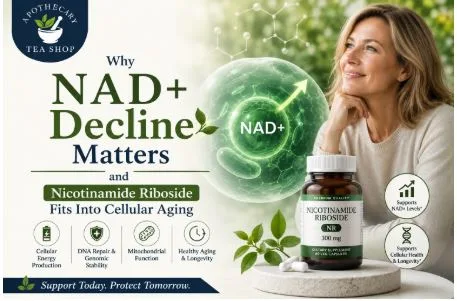
Aging often feels like something you notice gradually lower energy, slower recovery, reduced resilience. But beneath those visible changes, something more fundamental is happening at the cellular level.
One of the biggest shifts researchers now talk about is the steady decline of NAD+, a molecule that quietly powers nearly every aspect of cellular energy and repair. It doesn’t get much attention in everyday health conversations, yet it plays a central role in how efficiently the body functions over time.
And this is exactly where interest in Nicotinamide Riboside begins to make sense.
NAD+ isn’t just a molecule it’s a system
Inside every cell, NAD+ acts like a kind of biological fuel regulator. It helps convert nutrients into usable energy and supports processes that keep cells functioning properly.
What makes it important is not just what it does, but how central it is.
When NAD+ levels are optimal, cells tend to operate efficiently. But research consistently shows that these levels naturally decline with age. That decline is subtle at first, but over time it affects how well the body maintains energy, repair, and balance.
This is one reason NAD+ has become such a key focus in longevity science—it sits at the intersection of almost every major cellular process.
Why the decline of NAD+ matters
The concern around NAD+ isn’t theoretical. It connects directly to how the body performs over time.
As levels drop, cells may struggle with:
- maintaining energy output
- handling repair processes efficiently
- responding to internal stress
- sustaining metabolic balance
None of this happens suddenly. It’s a gradual shift, which is why it often goes unnoticed until broader changes in energy and recovery become more apparent.
This is also why researchers now view NAD+ as one of the more important biomarkers in aging biology it reflects how well the system is functioning internally.
Where Nicotinamide Riboside fits in
Nicotinamide Riboside (NR) has gained attention because it supports the body’s natural ability to produce NAD+.
Instead of acting as a direct substitute, it works upstream providing the building blocks the body can use to maintain NAD+ levels.
In simple terms, it supports the internal system rather than replacing it.
Because of this, NR is often studied in relation to:
- cellular energy support
- metabolic efficiency
- natural repair mechanisms
- overall cellular function
It’s not positioned as a shortcut or solution to aging, but rather as a nutrient of interest in how the body manages one of its most important internal processes.
A broader view: cellular health is the real foundation
When you step back, most longevity research eventually comes back to the same point: cell health.
If cells function well, everything built on top of them tends to function better too.
That’s why compounds like Nicotinamide Riboside and others studied in this space are often discussed together they don’t work in isolation, but as part of a wider biological system.
In that same conversation, ingredients like Resveratrol are frequently mentioned for their role in supporting oxidative balance, showing how multiple pathways contribute to the bigger picture of healthy aging.
From supplements to functional nutrition
There’s also a shift happening in how people consume these types of ingredients.
Instead of viewing them only as standalone capsules or tablets, there’s growing interest in formats that fit naturally into daily routines.
This is where Supplement Tea comes in as a functional concept—not just a beverage, but a delivery method designed around bioactive compounds that support long-term wellness goals.
It reflects a broader change in nutrition thinking: consistency matters more than intensity.
Where anti-aging nutrition is heading
The idea of the Best Anti-Aging Supplements today is very different from what it was a decade ago.
It’s no longer about isolated promises or surface-level benefits. The focus has shifted toward ingredients that connect with deeper biological systems energy metabolism, repair pathways, and cellular resilience.
Nicotinamide Riboside fits into that category because of its role in NAD+ biology, making it one of the more studied compounds in modern longevity research.
Closing thoughts
NAD+ decline isn’t something most people think about day to day, but it sits quietly at the center of how the body ages internally.
Nicotinamide Riboside has become important in research because it supports the body’s natural NAD+ production pathways, helping maintain the systems that keep cells functioning efficiently.
And when you look at aging through this lens, it becomes less about external change and more about how well the body maintains its internal balance over time.