why does my tooth hurt under my crown
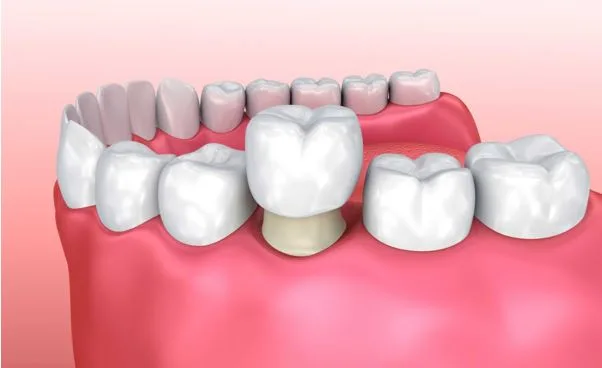
Dental crowns are designed to protect and strengthen a tooth that has been weakened, damaged, or treated with a root canal. However, sometimes patients experience discomfort or sharp pain beneath a crown, which can be concerning. Understanding the reasons behind this pain and seeking timely care is crucial for maintaining oral health and preventing complications. For anyone experiencing persistent tooth pain under crown, identifying the cause early can save both time and discomfort.
Common Causes of Tooth Pain Under a Crown
Pain beneath a crown can stem from multiple factors. Most commonly, irritation of the tooth’s nerve, inflammation, or infection is involved. Sometimes, decay developing under the crown or an improperly fitted crown can trigger sensitivity. Other causes may include gum recession exposing the tooth root or a previously unnoticed crack in the tooth beneath the crown. Identifying the root cause is essential for proper treatment and preventing long-term dental issues.
Tooth Infection Under the Crown
Infections can occur when bacteria infiltrate the space between the crown and the natural tooth. This may lead to swelling, throbbing pain, or pus formation. Immediate dental evaluation is critical because untreated infections can spread and form abscesses, requiring antibiotics or more advanced procedures. Infections remain one of the most frequent reasons for ongoing discomfort even when the crown appears intact.
Nerve Irritation and Sensitivity
Even after a crown is properly placed, the tooth may still experience nerve irritation. This irritation can arise from dental procedures, excessive pressure from the crown, or ongoing decay. Patients often report sharp, shooting pain when biting or sensitivity to hot and cold foods. While nerve irritation is usually temporary, persistent symptoms could indicate a need for a root canal or crown adjustment.
Cracked Tooth Under the Crown
Teeth can fracture beneath a crown due to trauma, grinding, or normal wear over time. Cracks may be tiny and invisible, yet cause significant pain during chewing. Early detection is important because untreated cracks can worsen and potentially lead to tooth loss. Dentists typically use X-rays or specialized diagnostic tools to identify cracks under crowns.
Gum Recession Around the Crown
Gum recession may expose part of the tooth or root adjacent to a crown, resulting in sensitivity and discomfort. This condition often develops due to aging, aggressive brushing, or gum disease. Maintaining healthy gums through proper hygiene and regular dental visits can reduce the risk of this problem. Left untreated, gum recession can lead to root decay or necessitate crown replacement.
Poorly Fitted Crown
Sometimes, the pain arises because the crown is not fitted properly. Crowns that are too high or leave gaps can create pressure points or allow food and bacteria to collect underneath. Adjusting or replacing the crown usually resolves the discomfort and prevents further dental issues.
When Should You Visit a Dentist?
Persistent pain beneath a dental crown should never be ignored. Professional evaluation is particularly important if you experience:
- Swelling around the affected tooth
- Pain that worsens over time
- Prolonged sensitivity to temperature changes
- Difficulty chewing
- Signs of infection such as pus or fever
Regular dental examinations help identify these issues before they become severe. Many patients seek professional assessment from experienced providers such as blomdentalofarlington.com when crown-related discomfort persists, as early intervention often prevents more extensive treatment later.
Treatment Options for Pain Under a Crown
Treatment varies depending on the underlying cause:
| Cause | Treatment |
| Infection | Root canal therapy, antibiotics |
| Nerve irritation | Crown adjustment or root canal |
| Cracked tooth | Crown replacement, restoration, or extraction in severe cases |
| Gum recession | Gum grafting, improved oral hygiene |
| Poorly fitted crown | Crown reshaping or replacement |
A proper diagnosis ensures the most effective treatment and minimizes discomfort.
Preventing Tooth Pain Under a Crown
Good oral hygiene and regular dental visits are key preventive measures. Avoid excessive force on crowns, such as teeth grinding or chewing very hard foods. Using a night guard if you grind your teeth, brushing gently, and flossing daily can reduce the risk of decay or infection beneath the crown. Routine checkups allow early detection of problems before pain becomes severe.
Frequently Asked Questions
Can a crown cause pain years after placement?
Yes, pain can occur years later due to decay under the crown, gum recession, or nerve irritation. Early evaluation is essential.
How long should pain last after getting a crown?
Mild sensitivity may last a few days, but persistent or severe pain usually indicates a problem requiring professional care.
Is tooth pain under a crown a sign of infection?
Not always, though infection is a common cause. Other reasons include nerve irritation, cracks, or poor fit.
Can I treat crown pain at home?
Temporary relief can be achieved with over-the-counter pain medication, but it’s crucial to see a dentist for diagnosis.
How is a cracked tooth under a crown fixed?
Treatment may involve crown replacement, tooth restoration, or, in severe cases, extraction.
Which dentist should I see for crown pain?
A general dentist or prosthodontist can diagnose and treat crown-related issues.
Conclusion
Pain under a dental crown can arise from infection, nerve irritation, cracks, gum recession, or improper fitting. Timely evaluation and treatment are vital to prevent complications and maintain oral health. With proper care, routine checkups, and professional treatment, patients can enjoy the full benefits of their dental crowns without discomfort. Addressing tooth pain under crown promptly ensures long-term dental health and peace of mind.