Why the Police Report Matters After a Car Accident
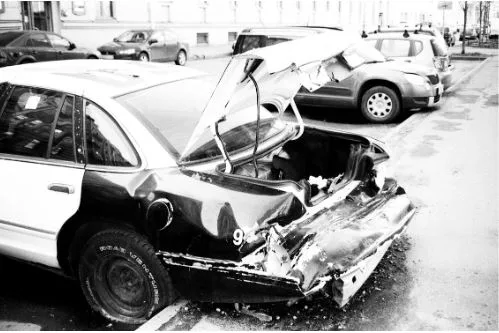
When a collision happens, your first instinct might be checking for injuries or exchanging insurance information — but according to the National Highway Traffic Safety Administration’s 2023 data, nearly 38% of motor vehicle crashes go unreported to police, creating a cascade of complications that can haunt drivers for years. As insurance companies increasingly scrutinize claims and legal standards for evidence become more stringent, that official police report has evolved from administrative formality to critical legal shield.
The stakes extend far beyond the immediate aftermath. Courts rely heavily on police documentation when determining fault, insurance adjusters use these reports as primary evidence for claim processing, and without that official record, you’re essentially asking everyone involved to take your word for what happened. In an era where dash cam footage and smartphone evidence dominate headlines, the structured, neutral documentation that police reports provide remains the gold standard for establishing credible accident records.
What many drivers discover too late is that filing deadlines vary dramatically by state — some requiring reports within 24 hours for property damage above certain thresholds, others allowing up to 30 days. Understanding not just whether to file, but when and how to do it effectively, can determine whether you’re protected or vulnerable when the legal and financial consequences unfold.
Why Filing a Police Report Is Crucial After an Accident
The moment your car stops moving after a collision, you’re not just dealing with bent metal and shattered glass — you’re entering a complex legal and financial ecosystem where documentation becomes currency. A police report creates an official record that serves as the foundation for everything that follows: insurance claims, potential lawsuits, and liability determinations.
Consider this scenario: you’re rear-ended at a red light, and the other driver immediately admits fault, apologizing profusely and promising their insurance will “take care of everything.” Three weeks later, that same driver tells their insurance company that you actually backed into them, and suddenly it’s your word against theirs. Without a police report capturing the initial admission and the officer’s assessment of the scene, you’re facing an uphill battle that could have been prevented with one phone call.
The evidentiary weight of police reports extends beyond simple he-said-she-said disputes. Officers are trained to document physical evidence — skid marks, vehicle damage patterns, debris fields — that can reconstruct the sequence of events even when witness accounts conflict. This neutral, professional documentation carries significant weight with insurance adjusters and courts, who view police officers as disinterested third parties with expertise in accident investigation.
Perhaps more importantly, many insurance policies actually require policyholders to report accidents to law enforcement within specific timeframes. Failing to file when required can void your coverage entirely, leaving you personally liable for damages that could have been covered. The legal protection that police reports provide isn’t just about proving fault — it’s about maintaining your standing under your own insurance contract and preserving your ability to seek compensation if injuries develop days or weeks after the initial incident.
When and How to File a Police Report After an Accident
The timing and method of filing your police report can be just as critical as the decision to file itself, with requirements that vary dramatically depending on your location and the specific circumstances of your accident.
When to File a Police Report After a Car Accident
Most states operate on a damage threshold system, requiring police reports when property damage exceeds a specific dollar amount — typically ranging from $1,000 to $4,000. But here’s where many drivers get caught: you’re making this assessment at the scene, often in shock, with no way to accurately estimate repair costs. What looks like minor bumper damage can easily involve $3,000 in sensors, paint matching, and structural components.
The safest approach treats any collision involving injury, significant damage, or disputed fault as report-worthy, regardless of threshold amounts. Some states mandate immediate reporting for any accident involving bodily injury, while others allow up to 10 days for property-damage-only incidents. Texas, for example, requires reporting within 10 days if damage exceeds $1,000, but California demands immediate reporting for any injury accident and allows online filing for property damage within 10 days.
Methods for Filing a Police Report: At the Scene, Online, and In Person
Scene reporting remains the gold standard because officers can document physical evidence while it’s still intact — skid marks before they’re driven over, debris before it’s cleared, vehicle positions before they’re moved. When you call 911, emphasize any injuries first, then request police response for the accident report even if injuries seem minor.
For situations where police don’t respond to the scene — common in minor property-damage accidents in busy urban areas — most states now offer online reporting systems. California’s online portal allows reporting within 10 days, while Nevada requires specific criteria be met before online filing is permitted. These systems typically require basic information like driver’s licenses, insurance details, and accident descriptions, but they lack the crucial evidence documentation that scene investigations provide.
In-person filing at police stations serves as the backup option when online systems aren’t available or don’t accept your specific accident type. This method requires gathering all relevant documentation beforehand and visiting during business hours, but it ensures your report gets filed within legal deadlines when other options fail.
Essential Information to Include in a Police Accident Report
The difference between a useful police report and a meaningless piece of paper often comes down to the quality and completeness of information provided during the filing process. Officers can only document what they observe and what you tell them, making your input crucial for creating an accurate record.
Witness identification tops the priority list because independent observations can corroborate your account when fault becomes disputed. Get names, phone numbers, and brief statements from anyone who saw the accident — not just the impact itself, but the moments leading up to it. Witnesses often leave scenes quickly, so gathering this information immediately after checking for injuries becomes critical.
The physical evidence documentation that officers provide includes vehicle damage patterns, skid marks, debris fields, and traffic control devices, but you can enhance this by taking your own photographs from multiple angles. Focus on the overall accident scene, individual vehicle damage, license plates, and any relevant road conditions or signage. These images supplement the officer’s report and can capture details that might be missed in written descriptions.
Your narrative description of events should be factual and chronological, avoiding speculation about the other driver’s intentions or state of mind. Stick to observable facts: “The light was green when I entered the intersection” rather than “He ran the red light.” Include relevant details about weather conditions, visibility, and any mechanical issues with your vehicle that might have contributed to the accident.
Insurance information, driver’s license numbers, and vehicle registration details might seem routine, but inaccuracies in these basic elements can delay claim processing for weeks. Double-check that the officer has recorded correct policy numbers and contact information for all parties involved, as these details form the foundation for everything that follows. When dealing with situations involving reliable representation for car accidents, having complete and accurate police documentation becomes even more crucial for building a strong case.
How Police Reports Influence Liability and Insurance Claims
The relationship between police reports and liability determination isn’t as straightforward as many drivers assume, but these documents carry substantial evidentiary weight that can tip the scales in close-call situations. Insurance adjusters typically begin their investigation by reviewing the police report, using it as a roadmap for understanding the accident sequence and identifying areas that require additional investigation.
Fault attribution in police reports comes in several forms, from explicit statements like “Driver A failed to yield right of way” to more subtle indicators found in citations issued at the scene. When an officer cites one driver for a traffic violation related to the accident, that citation creates a presumption of fault that the cited driver must overcome through additional evidence. However, insurance companies aren’t bound by police fault determinations — they conduct their own investigations and can reach different conclusions.
The claims processing timeline accelerates significantly when a clear, detailed police report exists. Adjusters can often make liability decisions within days rather than weeks, leading to faster claim resolution and quicker access to rental car coverage or medical expense reimbursement. Conversely, accidents without police reports frequently trigger extended investigations that can delay settlements for months while companies gather witness statements and reconstruct events.
Police reports also serve as fraud prevention tools by creating contemporaneous records that are difficult to fabricate or alter after the fact. Insurance fraud involving staged accidents or exaggerated injuries becomes much harder to perpetrate when an independent law enforcement officer has documented the scene, interviewed parties, and recorded initial statements about injuries and vehicle damage.
Perhaps most critically, police reports establish the foundation for legal proceedings if personal injury claims develop later. Courts give significant weight to police observations, particularly regarding traffic violations, road conditions, and initial injury complaints. When cases reach litigation, attorneys use police reports as exhibits and often call the reporting officer as a witness to authenticate their observations and explain their conclusions.
Legal Risks and Common Mistakes in Filing Police Reports After an Accident
The consequences of skipping or mishandling police report requirements extend far beyond administrative inconvenience, creating legal vulnerabilities that can persist for years after an accident. Hit-and-run charges represent the most serious risk, as leaving the scene of an accident — even a minor one — constitutes a criminal offense in all 50 states when injuries are involved.
Insurance claim denials frequently stem from reporting failures, particularly when policies explicitly require police notification within specified timeframes. Insurance companies use these requirements as grounds for denying coverage, arguing that delayed or missing reports prevented them from conducting timely investigations or prevented proper subrogation against at-fault parties.
The most common filing mistakes involve incomplete or inaccurate information that undermines the report’s credibility. Drivers sometimes minimize damage estimates to avoid seeming dramatic, only to discover later that repair costs exceed thresholds requiring mandatory reporting. Others fail to report developing injuries, creating gaps between police reports showing “no injury” and later medical claims that insurance companies view skeptically.
Statute of limitations issues can also arise when police reports aren’t filed promptly, particularly in states where the reporting deadline affects your ability to pursue legal claims. While most personal injury statutes of limitations run for years, some states tie certain legal protections to timely accident reporting, creating situations where delayed reporting weakens your legal position even within the general statute of limitations period.
Understanding these risks transforms police report filing from a bureaucratic checkbox into a critical legal protection strategy. The few minutes spent calling police or the brief inconvenience of online filing pales compared to months of insurance disputes or years of legal complications that missing reports can create. When accidents happen, thinking beyond the immediate damage to the long-term legal landscape can save you from consequences that extend far beyond the initial collision.