How Thermal Inspection Cameras Improve Building and Equipment Checks
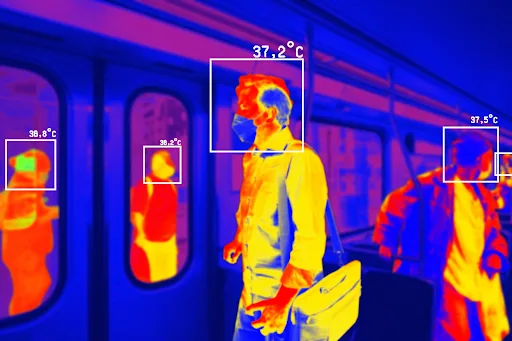
Thermal imaging offers a fast, non-contact way to spot hidden problems in buildings and equipment before they require teardown or repair.
A thermal camera translates surface temperature differences into a color-coded image, making patterns visible that the naked eye would miss. Two common examples show the value: scanning a building envelope for insulation gaps or moisture paths, and checking electrical panels or mechanical equipment for overheating components.
Whether you manage a facility or want to understand what these cameras do, the overview below covers practical applications and a plain-language thermal camera selection checklist.
What a Thermal Camera Actually Shows
A thermal camera does not see through walls. It reads infrared radiation from surfaces and displays relative temperature differences as a color map, often called a thermogram. Warmer areas appear in lighter or hotter colors, while cooler zones appear darker.
Three terms come up often when comparing cameras:
- Resolution refers to how many individual temperature data points the detector captures, similar to pixel count on a digital photo. Higher resolution provides finer detail.
- Thermal sensitivity (NETD) describes the smallest temperature difference a camera can detect, measured in millikelvins (mK). A lower number means the camera can reveal subtler patterns.
- Field of view is how wide a scene the lens captures in a single frame. A wider field suits open rooms; a narrower field helps when scanning a distant target like a rooftop connection.
Wind, sunlight, and surface finish all affect readings. A thermogram is a starting point, not a final diagnosis.
Building Checks: Where Thermography Helps
Thermal cameras are commonly used during energy audits, maintenance walkthroughs, and post-construction quality checks. Practical applications include:
- Insulation gaps. Missing or compressed insulation can show up as a cooler or warmer streak on an interior wall scan, depending on the season.
- Air leaks. Drafts around windows, doors, and penetrations create temperature gradients that a thermogram can highlight quickly.
- Moisture paths. Water intrusion near rooflines or plumbing often appears as a cooler area because evaporation lowers surface temperature.
- Radiant floor systems. A thermal scan can map active heating loops and help identify blockages or uneven flow.
For reliable results, capture both interior and exterior reference shots when possible. Note outdoor temperature and wind conditions at the time of the scan. If moisture is suspected, confirm findings with a moisture meter or visual inspection before planning repairs.
Equipment and Electrical Checks
In mechanical and electrical settings, thermal cameras help identify components that are running hotter than expected. Common use cases include:
- Overloaded circuits and loose connections. A hot electrical termination often signals high resistance, which can lead to failure over time.
- Motor and bearing overheating. Comparing a bearing housing temperature to its baseline reading can flag early wear.
- Uneven heater elements. A quick scan can reveal which segments are performing and which are not.
- Belt misalignment. Friction from a misaligned belt generates heat that stands out on a thermogram.
Trending results over time adds value. A single scan gives a snapshot, but comparing current readings to a known baseline makes it easier to separate a developing issue from normal operating temperature. Always follow lockout/tagout and arc-flash safety boundaries when scanning live electrical gear, and verify findings with a contact thermometer where access allows.
Thermal Camera Selection: The Features That Matter
Choosing a handheld thermal camera is simpler when you start with the task rather than the spec sheet. The checklist below covers the factors that matter most.
- Detector resolution. If you are scanning building envelopes for small insulation anomalies, higher resolution helps. For larger, hotter industrial targets, moderate resolution is often sufficient.
- Thermal sensitivity (NETD). Lower mK values let you see fainter temperature patterns. This matters most in building diagnostics, where temperature differences can be subtle.
- Temperature range. Make sure the camera covers the high temperatures you expect, such as electrical terminations, as well as the lower temperatures relevant to building diagnostics in cooler climates.
- Focus type. Fixed focus is simple but limiting. Manual focus or autofocus helps keep images sharp, which directly affects measurement accuracy.
- Field of view and working distance. A wide field of view suits room-level scans. A narrower field, or an interchangeable lens, works when you need detail on a distant panel or junction.
- Image modes and annotations. Spot markers, area measurements, and visible-light overlays help communicate findings to others. These features are available across many handheld models.
- Durability and battery life. Consider drop ratings and IP protection if the camera will be used on job sites. Swappable batteries can reduce downtime during longer inspections.
- Connectivity and reporting. The ability to export images and notes to a phone or laptop speeds up documentation. Many current handheld models offer some form of wireless transfer.
As a reference point, a manufacturer’s Exx-Series overview can show how a handheld thermal inspection camera may differ by resolution, focus, reporting features, and use case. Compare those differences against your inspection tasks rather than choosing by model name alone.
Simple Documentation Workflow
A repeatable process keeps thermal inspection results useful over time. A straightforward approach includes four steps:
- Label each image with a location, the operating load or conditions at the time, and the date.
- Capture a visible-light reference photo alongside every thermogram so viewers can orient themselves.
- Include at least one reference temperature spot, such as a known ambient surface, for context.
- Write a one-line finding and a recommended next step for each image.
This kind of structured record makes it easier to compare scans month over month and to share results with maintenance teams or building owners who may not be familiar with thermography.
Safety and Limitations
Thermal cameras read surface temperatures only. Reflective or low-emissivity surfaces, such as polished metal or glass, can produce misleading readings. Adjusting the emissivity setting or changing the viewing angle can help, but awareness of this limitation is important.
Near live electrical equipment, maintain safe working distances and wear appropriate personal protective equipment. Thermography is a screening tool. It highlights areas that deserve a closer look, not a replacement for contact measurements, visual inspection, or established safety procedures.
Faster checks, earlier detection, and clearer documentation are the practical benefits of adding a thermal camera to routine inspections. Rather than chasing the highest-resolution model or a particular brand name, match the camera to the tasks and conditions you encounter most often. That approach tends to deliver useful results with less complexity.