Will EV Adoption Disrupt the Auto Salvage Economy?
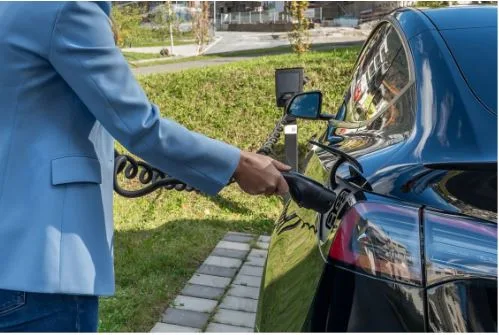
Electric vehicles are no longer niche. In 2025, global EV sales topped 20 million units, according to the International Energy Agency’s Global EV Outlook report.
But that means more electric cars will eventually reach the end of their life cycle. And that shift could reshape how the auto salvage economy works for everyday drivers.
How EV Adoption Is Reshaping the Auto Salvage Economy
Traditional salvage yards thrive on engines, transmissions, catalytic converters, and scrap metal. Electric vehicles remove some of those high-demand parts but introduce lithium-ion battery packs, electric drive units, and advanced electronics.
Battery costs have fallen sharply over the past decade. Lower battery costs make EVs more affordable for buyers, which increases the number of EVs entering the used and salvage markets in the coming years.
More EVs on the road today means more EVs in salvage yards tomorrow.
Salvage operators now face a different cost structure. High-voltage systems require specialized training, insulated tools, and safe storage areas for damaged batteries.
Fewer Fluids, More Electronics
Gas vehicles leak oil, coolant, and fuel when wrecked. EVs reduce those hazards but add complex wiring and software-driven systems.
Key differences are already showing up in salvage operations. There is:
- Lower demand for engine and exhaust components
- Higher value tied to battery condition
- Increased need for certified high-voltage handling
Battery condition often determines whether an EV is parted out, repaired, or scrapped. A damaged battery can total the car, even if the body looks fine.
Battery Recycling Is Changing Profit Models
Battery packs are expensive, heavy, and packed with valuable materials like lithium, nickel, and cobalt. There is growing investment in EV battery recycling as automakers and recyclers try to secure supply chains and reduce waste through companies building closed-loop systems.
Growing recycling capacity means salvage yards may partner directly with battery processors instead of selling entire vehicles for scrap. The change shifts profit from traditional scrap steel toward specialized battery recovery.
For car owners, resale and salvage value math becomes less predictable. A totaled gas sedan once had a fairly standard scrap value based on weight and parts demand. An EV’s value can swing dramatically depending on battery health, recall status, and regional recycling options.
You can use a junk car worth calculator to get a quick estimate. By knowing “how much is my junk car worth?”, you’ll be better positioned to make decisions.
Disrupting or Transforming the Auto Salvage Economy?
Disruption sounds dramatic, but transformation may be more accurate. The core idea of salvage, extracting remaining value from damaged vehicles, still applies.
Electric vehicles simply change where that value lives. Instead of catalytic converters and engine blocks, value concentrates in battery modules, power electronics, and reusable software-enabled components.
Training and compliance costs will likely push smaller salvage yards to specialize or consolidate. Larger operators may invest in EV-specific facilities, fire suppression systems, and battery diagnostics to stay competitive.
Vehicle owners also face a learning curve. Insurance adjusters, tow operators, and dismantlers must all adapt to EV safety protocols.
What Drivers Should Watch
EV adoption will keep climbing, and end-of-life vehicles will follow. Salvage yards that adapt quickly may find new revenue streams in battery reuse and materials recovery.
Car owners should stay informed about how EV technology affects total-loss decisions and scrap values. If you are considering selling a damaged or aging vehicle, explore valuation tools and speak with experienced buyers before making a decision.
Has this article been of help? If so, explore some of our other useful posts.