Beyond Heat and Flame: Fire Hose Performance for Extreme and Wildland Operations
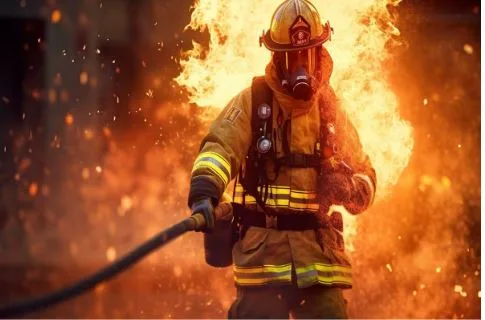
Wildland fires and large-scale industrial incidents are testing the limits of traditional firefighting equipment. Fire hoses, once regarded as simple but reliable tools, are now expected to perform under intense heat, abrasive terrain, chemical exposure, and extended operational distances. Climate change has lengthened fire seasons and increased wildfire severity, while industrial sites present hazards such as high radiant heat, molten debris, and hazardous chemicals.
To meet these challenges, manufacturers are redesigning hoses with advanced synthetic fibers, multi-layer reinforcements, and protective coatings that maintain structural integrity even under punishing conditions. At the same time, ease of deployment and reduced weight remain critical for the safety and efficiency of firefighting crews.
Thermal Protection and Spark Resistance
Extreme fire environments expose hoses to a combination of radiant heat, direct flame contact, and flying embers. Wildfires can generate temperatures capable of degrading synthetic jackets within minutes, while industrial blazes often feature sudden heat surges and sparks from collapsing structures or molten metal.
Modern hose designs counter these hazards through:
- High-temperature-resistant fibers such as aramid, polybenzoxazole (PBO), or specialized blends
- Reflective or heat-dissipating coatings to reduce radiant heat impact
- Multi-layer construction that combines abrasion protection with thermal shielding
Rubber or elastomer linings, such as EPDM or nitrile, maintain flexibility after heat exposure, while advanced bonding techniques prevent delamination when hoses are rapidly cooled after being heated.
Water Delivery over Long Distances
Wildland firefighting often involves supplying water across kilometers of rugged terrain. Each additional length of hose introduces pressure losses due to friction and elevation changes. Maintaining an effective flow rate in these conditions requires:
- Low-friction internal coatings to minimize resistance
- Optimized diameters that balance high flow capacity with manageable hose weight
- High-pressure tolerance to support relay pumping and multi-stage supply lines
Lightweight, lay-flat hoses simplify transport and deployment, while modern coupling technology ensures secure, leak-free connections. Relay pump systems and pressure-boosting stations are commonly used in long-distance wildland setups to maintain consistent firefighting capability.
Durability Against Abrasion and Harsh Terrain
Rugged landscapes and debris-strewn industrial sites present a constant threat to hose longevity. Rocks, concrete edges, twisted metal, and uneven ground can cause premature wear or ruptures. To resist such damage, high-performance fire hoses incorporate:
- Densely woven outer jackets with abrasion-resistant polymer coatings
- Reinforced coupling transitions where bending and dragging forces are most intense
- Chemical-resistant materials to withstand contaminated water or industrial residues
Maintaining maneuverability is equally important; a hose that is overly stiff or heavy can slow crews and increase fatigue during long operations.
Field Insights and Operational Experience
Lessons from real-world incidents continually shape hose development. Wildland teams have reported that while heavy thermal protection improves survivability near flame fronts, it can reduce mobility and increase crew fatigue. This feedback drives efforts to combine lightweight design with high heat resistance.
Industrial firefighting experiences highlight the importance of reliable couplings under thermal expansion. Heat cycling can loosen conventional fittings, encouraging the use of precision-machined flanges and heat-stable gaskets. Crews have also emphasized the value of high-visibility outer jackets for safer navigation in smoke-filled or nighttime conditions, along with digital tracking labels for maintenance and service life control.
Technology Directions and Future Development
Fire hose innovation is moving toward solutions that extend service life, reduce weight, and provide real-time safety information. Emerging trends include:
- Integrated monitoring systems that track pressure and detect early wear or leaks
- Advanced composites blending lightweight strength with extreme thermal stability
- Sustainable manufacturing using PFAS-free coatings and recyclable materials
- Improved ergonomics for faster deployment and easier handling during extended incidents
As wildfire seasons intensify and industrial risk scenarios become more complex, fire hoses are evolving from simple conduits into critical components of modern firefighting strategy. Future designs will likely focus on predictable performance under severe stress, enabling firefighting teams to operate safely and effectively in the most challenging conditions worldwide.