Custom Container Homes: The Modern, Affordable, and Sustainable Housing Solution
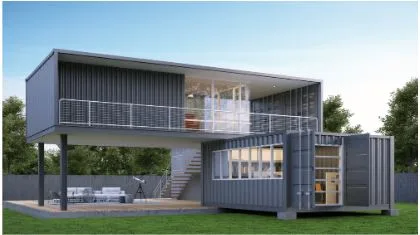
The housing industry is rapidly evolving as people search for smarter, more affordable, and environmentally friendly ways to build modern living spaces. Traditional construction methods often require large budgets, long project timelines, and significant material waste. In response to these challenges, custom container homes have emerged as one of the most innovative solutions for homeowners seeking flexibility, sustainability, and modern design.
Over the last few years, the popularity of custom container homes has grown significantly around the world. Built using repurposed shipping containers, these homes combine durability, affordability, and creative architectural possibilities, making them an excellent option for modern buyers who want practical yet stylish living spaces.
What Are Custom Container Homes?
Custom container homes are residential structures created by transforming steel shipping containers into fully functional homes. These containers, originally designed to transport goods across oceans, are incredibly strong and built to withstand harsh environmental conditions. Their structural durability makes them ideal for residential construction.
Unlike standard housing designs, custom container homes allow homeowners to personalize every aspect of the structure. From interior layouts and exterior finishes to room expansions and energy-efficient features, customization options are nearly endless.
This flexibility gives homeowners complete control over designing a living space that matches their lifestyle while staying within budget.
Why Custom Container Homes Are Becoming Popular
One of the main reasons people are choosing custom container homes is affordability. Traditional home construction often involves expensive labor costs, raw materials, permits, and long construction schedules. Container homes significantly reduce these costs by using pre-built steel structures as the foundation.
Construction speed is another major advantage. Since the main structural framework already exists, builders can complete projects much faster compared to conventional housing. In many cases, custom container homes can be completed within weeks rather than months.
For people looking for efficient housing solutions without compromising design quality, this option offers a highly attractive alternative.
Sustainable and Environmentally Friendly Living
Sustainability has become a major priority for modern homeowners. Traditional construction creates significant waste through excess wood, concrete, and unused building materials. In contrast, custom container homes promote eco-friendly construction by recycling shipping containers that would otherwise sit unused in industrial storage yards.
By repurposing existing materials, these homes reduce environmental waste and lower the demand for newly manufactured construction materials. Many homeowners also combine container homes with additional green features such as solar panels, rainwater collection systems, energy-efficient insulation, and smart home technology.
As environmental awareness grows globally, custom container homes continue to stand out as one of the most sustainable housing solutions available today.
Modern Design Flexibility
One misconception about container housing is that designs are limited. In reality, custom container homes offer remarkable architectural flexibility. Single-container designs work perfectly for compact living spaces, vacation homes, or home offices.
Multiple containers can be combined to create large luxury homes with multiple bedrooms, spacious living areas, rooftop terraces, and modern open-floor designs. Large windows, sliding glass doors, balconies, and custom interior finishes allow homeowners to create truly unique spaces.
This design freedom has made custom container homes especially popular among modern architects and homeowners looking for creative alternatives to conventional housing.
Durability and Structural Strength
Shipping containers are designed to survive some of the harshest transportation conditions in the world. They are built using heavy-duty steel that can withstand extreme weather, heavy loads, and long-term use.
As a result, custom container homes often provide stronger structural integrity compared to some traditional building materials. With proper insulation, waterproofing, and professional modifications, container homes can last for decades while requiring minimal maintenance.
This long-term durability adds significant value for homeowners looking for a strong and reliable housing investment.
Ideal for Various Uses
Another major advantage of custom container homes is versatility. These structures are not limited to permanent residential housing. Many people use container homes for vacation properties, rental units, guest houses, office spaces, cafes, mobile businesses, and temporary housing solutions.
Businesses and property investors are increasingly recognizing the benefits of custom container homes because they can be transported, expanded, and modified according to changing needs.
Their adaptability makes them useful for both personal and commercial projects.
The Future of Smart Housing
As housing prices continue rising globally, buyers are becoming more interested in alternative construction methods that offer long-term savings and sustainability. Custom container homes represent the future of modern housing by combining affordability, innovation, environmental responsibility, and design flexibility.
Whether someone wants a compact minimalist home or a luxury multi-container property, this building concept offers endless possibilities for customization and smart living.
The demand for custom container homes will likely continue growing as more homeowners recognize the benefits of choosing efficient, sustainable, and modern housing solutions.
For anyone looking to invest in innovative real estate while embracing a smarter lifestyle, custom container homes are proving to be one of the strongest housing trends shaping the future of modern living.