7 Site Preparation Steps Builders Often Overlook
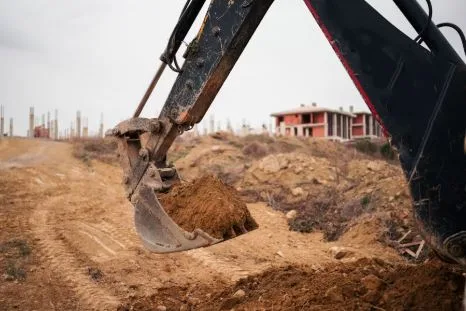
Most builders know the frustration of walking onto a site that seems ready, only to discover soft ground, unclear utility markings, or drainage problems as soon as work begins. These surprises don’t just slow down progress; they quietly inflate budgets and interrupt schedules in ways that feel avoidable.
If you’ve ever wondered why these setbacks keep showing up, the answer usually lies in overlooked site preparation steps. This guide breaks down those hidden trouble spots so you can plan smarter, prevent delays, and keep your next project running smoothly.
1. Utility Locates Done Right
Many jobsite issues begin with incomplete or outdated utility locates. Marks fade, older drawings contain gaps, and private lines often go unrecorded. When excavation starts without verification, crews risk outages, property damage, or extended downtime.
Builders improve their odds by treating locates as a detailed inspection rather than a quick administrative step. Walking the site with updated tickets and clear markings keeps excavation predictable, even when multiple trades are on site.
Here are a few checks that strengthen the workflow:
- Verify updated locate tickets
- Identify potential private utilities
- Reconfirm markings after weather events
These quick steps help crews spot potential conflicts before excavation begins.
2.Balancing Cut and Fill
Balancing cut and fill is challenging because real soil rarely behaves as neatly as drawings suggest. Unexpected variations in density or volume can shift the entire plan. When adjustments aren’t tracked early, hauling needs and grading hours escalate quickly, affecting final pad elevations.
Builders who measure progress throughout the process can predict changes before they grow. Quick field decisions help keep volumes under control and maintain crew efficiency during heavy grading stages. For teams looking to refine their workflow, the professional excavation solutions available here offer a coordinated approach that supports smoother planning.
3. Strong Erosion Controls
Erosion control often seems simple until a sudden storm exposes weak points. A single gap in a fence or a missed inlet protection can send sediment across the entire site. Once erosion channels form, they expand quickly and require costly repairs that affect downstream work.
Treating erosion control as an ongoing task helps stabilize the site. Regular checks let crews spot minor failures before runoff does the damage during seasons with unpredictable rain patterns. When teams consistently monitor erosion measures, the site stays cleaner, safer, and easier to manage.
4. Access Roads That Actually Work
Access roads determine whether materials and equipment can move efficiently. Soft soils break down fast under heavy loads, leaving ruts that slow trucks and postpone deliveries. Poor access often creates bottlenecks that affect every trade on the job and disrupt sequencing.
Builders who stabilize roads early avoid repeated repairs and downtime. Monitoring road conditions during wet periods helps maintain reliable travel routes, particularly when hauling schedules are tight. A smooth, durable access road keeps equipment moving and supports consistent production for crews working across large sites.
5. Dewatering Issues That Slow the Build
Water quickly becomes a major obstacle when it accumulates in trenches or excavations. It softens soil, creates hazards for operators, and slows compaction times during extended wet periods. When builders don’t plan for dewatering, delays stack up fast and affect multiple trades.
Simple systems like pumps, temporary channels, and controlled discharge points make a big difference. Implementing them early prevents water from undermining equipment movement and pad preparation. Proactive dewatering keeps the ground stable and ready for construction throughout the foundation and utility stages.
6. Managing Topsoil the Smart Way
Topsoil becomes expensive when mishandled or stored in the wrong places. When it mixes with subsoil or blocks future grading paths, crews face unnecessary relocation or disposal work. This slows down progress and increases material costs for the remainder of the project.
Strategic topsoil placement helps maintain clean, usable soil for later phases. Protecting it from contamination keeps it valuable for landscaping and finish grading on sites requiring restored vegetation. With proper planning, topsoil becomes a helpful resource rather than a hidden expense that disrupts production.
7. Compaction Testing You Shouldn’t Skip
Compaction testing confirms that the soil can support the structure’s loads. Without it, early settlement and slab cracking become far more likely in areas with variable soil conditions. Verifying density and moisture at each lift helps teams correct issues before they escalate.
Documented field testing protects both the builder and the owner. It also ensures that crews consistently follow specifications throughout the build, reducing the likelihood of disputes during inspections.
Many teams use quick checks like the ones below to stay aligned:
- Compare moisture levels to target ranges
- Review density readings for consistency
- Confirm lift thickness matches specifications
A Smooth Finish Starts with Better Prep
Strong site preparation steps influence every part of a build, from equipment access to final grading. When builders pay close attention to these overlooked tasks, they reduce risk and gain more predictable project timelines.
Understanding these site preparation steps also helps you coordinate grading, hauling, and utility work with greater clarity. If you want guidance on your next project, consider exploring more resources or connecting with professionals who can support your planning from the ground up.