What Is a Drop Deck Trailer? Everything You Need to Know
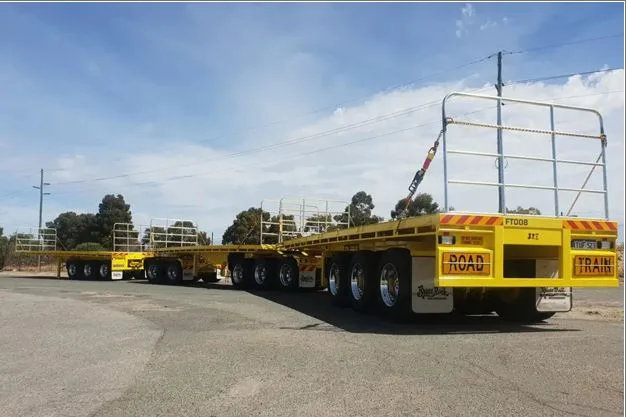
A drop deck trailer is a semi-trailer with a two-level deck comprising a raised gooseneck section at the front and a lowered main deck, designed to carry loads that exceed standard height limits on a conventional flat top. For operators moving excavators, graders, compressors, or prefab structures, the deck height difference is often what determines whether a load requires a permit or moves under general access conditions.
If your current trailer configuration is costing you oversized freight jobs, the issue is usually one of specification, not capacity. This article covers how drop decks work, the difference between single and double drop configurations, what loads they suit, and the Australian compliance basics that should inform any purchasing decision.
How a Drop Deck Trailer Works
A drop deck trailer features a two-level deck configuration: a raised gooseneck section that sits above the fifth wheel, and a lowered main deck that runs the length of the load-carrying area. The step down between the two levels, typically 600mm to 900mm lower than a standard flat top deck, is what creates usable clearance for tall or oversized loads. A piece of plant that would sit at 4.8m on a flat top may come in at or below the 4.3m general access limit on a drop deck. That difference determines whether an operator needs a permit or can move the load under standard conditions.
Single Drop vs. Double Drop
A single drop trailer has one step down behind the gooseneck, with the main deck running flat to the rear. This configuration suits the majority of oversized machinery moves including excavators, dozers, and large compressors, where the load height is the primary concern. A double drop trailer adds a second raised section at the rear, creating a lowered well between the two steps. This well accommodates taller, heavier plant where even a single drop deck leaves insufficient clearance. Specifying the wrong configuration for the load profile creates both compliance risk and practical loading problems on-site.
What Loads Are Drop Decks Built For?
Drop decks are suited to loads where height, not weight alone, is the limiting factor, with excavators, motor graders, compressors, conveyor sections, and prefab building modules among the most common examples. A flat top remains the practical choice when freight sits within height limits and doesn’t require the additional clearance. When plant or structures exceed those limits, a flat top creates an automatic over-height situation that requires permits, pilot vehicles, and route approvals. Relying on the wrong trailer type for this class of freight adds cost, delays dispatch, and often forces operators to subcontract jobs they could otherwise run themselves.
Australian Compliance Basics for Drop Deck Operators
Under Australian road rules, the general access height limit is 4.3 metres. Loads exceeding this threshold require an oversize permit, which varies in complexity and cost depending on the state and route. A drop deck trailer, by lowering the deck height, can bring certain loads within general access limits that would otherwise require permits on a standard flat top. Conditions differ between WA, QLD, and NSW, so operators should confirm requirements with the relevant state road authority before dispatch. Keeping loads within general access limits reduces administrative overhead and allows faster turnaround between jobs.
Specifying the Right Drop Deck for the Job
Selecting a drop deck trailer requires matching the specification to the actual freight mix: deck length, rated load capacity (GVM and GCM), tare weight, and deck material all affect what the trailer can legally and practically carry. An operator running varied plant hires across multiple sectors has different requirements to one moving a consistent load type on a fixed route. Tare weight is a factor that is often underestimated: a heavier trailer reduces the available payload under the GCM limit. Working with a manufacturer that understands Australian operating conditions is the most reliable way to arrive at the right specification. Bruce Rock Engineering’s range of flat top and drop deck trailers is built to suit the demands of Australian transport and resource sector operations.
Getting the Specification Right
The right drop deck specification depends on freight mix, not just load weight: deck length, GVM/GCM rating, tare weight, and deck material all need to align with the work the trailer will regularly perform. A manufacturer with experience in Australian transport conditions is best placed to match those variables to operational requirements.