How to Find a Water Leak in Your Home Before It Becomes a Major Problem
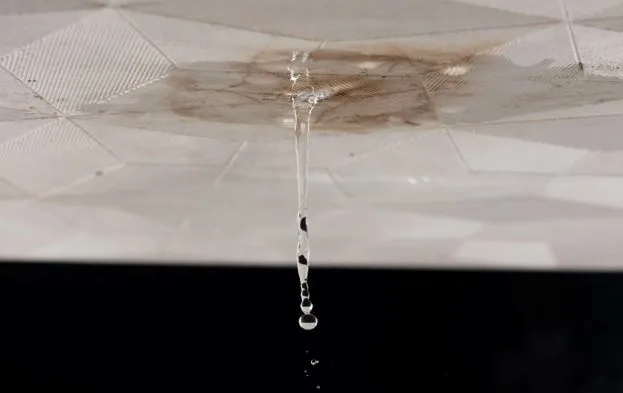
Water leaks are patient. They work slowly, quietly, and often completely out of sight, soaking into wall cavities, saturating insulation, and weakening structural members long before any visible sign appears. By the time you see a water stain on a ceiling or feel a soft spot in the floor, the damage has typically been happening for weeks or months.
The good news is that most active leaks leave signs before they cause significant damage. Water stains, higher utility bills, reduced water pressure, damp drywall, mold growth, or the sound of running water when no fixtures are in use can all indicate that water is escaping somewhere within the plumbing system. Identifying the source early can help limit structural damage, reduce repair costs, and prevent problems from spreading to surrounding materials.
When a leak cannot be located or repaired with basic troubleshooting, professional Leak Repair Arvada CO services become necessary. Defense Plumbing provides leak detection and repair for homeowners throughout Jefferson County and the surrounding metro area, using the condition and location of the plumbing system to determine the most appropriate repair method before additional damage occurs.
Start With the Water Meter Test
This is the single most useful tool for confirming whether an active leak exists anywhere in your home’s plumbing system, and it costs nothing.
Locate your water meter, typically at the street near the curb or in a utility box near the front of the property. Note the current reading. Turn off every water-using fixture and appliance in the house: faucets, toilets, the ice maker, the washing machine, the irrigation system. Make sure nothing that uses water is running.
Wait 30 minutes without using any water. Return to the meter and check the reading. If the number has changed, water moved through the meter while everything was supposedly off. You have an active leak somewhere in the system.
Some meters have a small triangular or circular leak indicator dial or display that spins when any water at all is flowing. If that indicator is moving while everything is off, the confirmation is immediate without waiting the 30 minutes.
The meter test tells you that a leak exists. It does not tell you where. That is the next step.
Check the Obvious Places First
Before assuming the leak is in a wall or under a slab, check the locations where leaks most commonly originate.
Under every sink. Open every cabinet under every bathroom and kitchen sink and look at the floor of the cabinet, the supply lines running to the faucet, and the drain connection. A water stain on the cabinet floor, swollen or discolored particleboard, corrosion at a connection point, or any visible moisture all indicate a leak at or near that location.
Behind the toilet. Check the supply line from the shutoff valve to the tank, the base of the toilet where it meets the floor, and the tank connection at the back. A toilet base that rocks slightly may have a failed wax ring that is allowing sewer gas and occasionally water to escape.
At the water heater. Look at the tank body, the supply and outlet connections at the top, and the pressure relief valve drain pipe. Any moisture or staining in these areas warrants attention.
At the washing machine. Check the supply hoses and their connections at the wall valves and at the machine. Washing machine hoses are a leading cause of significant home water damage and have a finite service life.
Look for the Visual Signs of Hidden Leaks
A leak that has been active for some time leaves a signature in the surrounding materials.
Ceiling stains. A brown or yellowish stain on a ceiling, especially one with a ring-shaped perimeter where dried moisture left a mineral deposit, indicates water has been coming from above. The stain location does not always match the leak location because water follows structural members and pools before it saturates through. Trace the path of the water back toward the likely source.
Wall discoloration or bubbling paint. Paint that is bubbling, peeling, or discolored in an area where moisture damage would not be expected (not near the shower or a window) indicates moisture behind the wall.
Soft or springy flooring. A floor section that feels spongy underfoot, especially in the bathroom near the toilet or tub, indicates that the subfloor has absorbed moisture. This is often the result of a long-running, slow leak at the toilet wax ring or a shower pan that has developed a crack.
Mold or mildew odor. Musty or earthy smells that do not respond to cleaning, particularly in cabinets, closets, on exterior walls, or in the basement, often indicate moisture accumulation from a slow leak or condensation problem.
How to Check for a Running Toilet
Toilets are responsible for a significant portion of residential water leaks because the failure mechanism (a worn flapper) is silent and invisible.
Drop a few drops of food coloring or a dye tablet into the toilet tank. Do not flush. Wait 15 minutes. Check the bowl. If color has appeared in the bowl without flushing, the flapper is leaking, and the toilet is running continuously.
A running toilet can waste 200 gallons per day. This is according to EPA estimates. Multiplied across a year, that is tens of thousands of gallons of wasted water appearing on your utility bill.
If the dye test confirms a running toilet, replace the flapper. It is a $10 part and a 10-minute job for most people. If the toilet continues running after replacing the flapper, the fill valve or the float may also need attention.
Irrigation System Leaks
If your home has an in-ground irrigation system, an irrigation leak can move a significant amount of water without any obvious indoor evidence. Signs of an irrigation leak include sections of lawn that are greener than surrounding areas even without recent rain, soft or muddy ground in a specific area of the yard in dry conditions, and a water bill that is higher in summer irrigation months than makes sense for the visible amount of watering.
Run each irrigation zone individually and walk the zone while it is running. Look for water coming up from unexpected locations, heads that are tilted or not distributing water properly, and wet areas that are not receiving direct spray.
Irrigation system repairs range from simple head replacement (a few dollars per head) to lateral line repairs that require minor excavation.
When to Call a Professional
Professional leak detection becomes necessary when the meter test confirms a leak but visual inspection cannot locate it. Plumbers and leak detection specialists have tools that make invisible leaks visible: moisture meters that detect moisture content in walls and floors without opening them, thermal imaging cameras that identify temperature anomalies caused by water presence, and acoustic detection equipment that identifies the sound of water moving through pressurized pipes.
Slab leaks, which occur when a supply or drain line running beneath the concrete foundation develops a fault, are almost impossible to locate without professional equipment. Signs include warm spots on the floor (from a hot water line leak), sound of running water when everything is off, or wet areas appearing on the floor surface from below. Slab leaks require professional detection and, depending on location and access, different repair approaches, including rerouting the line through the wall above grade.
Bottom Line
Most leaks announce themselves through changes: a water bill that suddenly reads higher than usual, a drain that takes longer than it did last month, a faint smell of mildew in a cabinet that used to smell like nothing.
Paying attention to those changes and following up with the meter test and a systematic inspection of the most common leak locations puts you in a position to find problems while they are still small. That is the difference between a plumber visit and a restoration contractor.