How to Choose the Right Fence for Your Home: Materials, Costs, and Value
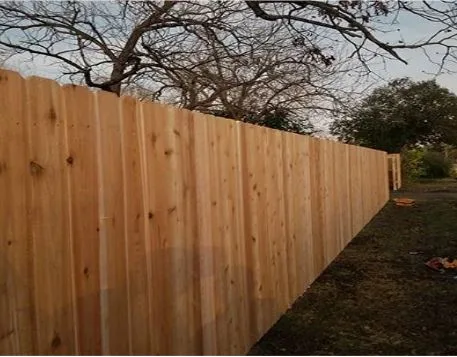
A new fence sounds simple until you start shopping. Suddenly you are weighing cedar against vinyl, privacy against curb appeal, and a tempting low bid against a quote that feels high.
Get it right and the payoff is real. A well built fence returns about 50% of its cost at resale on average, with figures that range from 30% to 70% depending on the material and how well it holds up.
The smart move is matching the fence to your property, the local climate, and your timeline for staying put. Here is what each material costs, how long it lasts, and the questions worth asking before you sign anything.
Key Takeaways
- Choose a fence material around its purpose, your climate, and how long you will own the home.
- Installed fence prices run roughly $10 to $100 per foot, with the material driving most of the cost.
- Wood and vinyl privacy designs usually deliver the strongest resale returns.
- Aluminum and wrought iron last the longest, often 30 to 50 years or more.
- Confirm permits, HOA limits, and exact property lines before any post goes in.
Decide What Your Fence Needs to Do
Your fence’s purpose shapes every other decision, from material to height to budget. A solid cedar barrier blocks sightlines and softens street noise. A pool fence has to meet safety codes. A ranch fence keeps livestock contained across open acreage.
Before you compare products, name your top two goals. Common ones include:
- Privacy and quieter outdoor space, best served by solid wood or vinyl
- Security and a clear boundary, where wrought iron, steel, or tall chain link shine
- Keeping pets and children safely inside the yard
- Curb appeal that complements the style of the house
- Containing horses or cattle on rural property
That short list keeps you from paying for features you do not need. Many homeowners start by talking with a local custom fencing company that can tailor a design to the property instead of selling a one size fits all panel.
If the project is part of a larger move, keeping an eye on current real estate trends helps you judge how much to invest before resale.
Compare Fence Materials Before You Commit
Fence materials differ widely in price, lifespan, and upkeep, so the best pick depends on your priorities. Each option carries its own trade off between cost today and effort later.
Wood stays the most popular residential choice, and cedar dominates in Texas because it naturally resists rot and insects. Pressure treated pine costs less at the start but needs a fresh stain every couple of years.
Vinyl asks for more money upfront yet never needs sealing, which often makes it the cheaper choice across a 20 year stretch. Metal splits into two camps: aluminum gives you the wrought iron look without rust, while steel and wrought iron bring the most strength at the highest price. Chain link remains the budget pick for big yards, pet runs, and spots where a clear view beats full screening.
| Material | Installed cost / ft | Lifespan | Maintenance | Best for |
| Cedar wood | $20 to $55 | 15 to 20 yrs | Stain or seal every 2 to 3 years | Privacy and curb appeal |
| Vinyl | $25 to $60 | 20 to 30 yrs | Occasional rinse | Low upkeep privacy |
| Aluminum | $25 to $40 | 30 to 50 yrs | Minimal | Pools, front yards, decor |
| Chain link | $10 to $35 | 15 to 20 yrs | Low | Large yards, pets, security |
| Wrought iron | $30 to $100 | 50+ yrs | Repaint periodically | Security and premium looks |
Lifespan is where the gap widens. The chart below shows how long each material typically holds up with sound installation and routine care.
Vinyl usually breaks even against wood by year 10 and can last 25 to 30 years, while cedar typically runs 15 to 20 with regular care.
| Key point: Material selection is the single biggest cost driver in any fencing project, so spend your research time there first. |
What a New Fence Costs in 2026
Fence installation in 2026 runs roughly $10 to $100 per linear foot installed, with the material as the largest variable. Most homeowners spend between $3,000 and $6,500 on a standard residential project, and a quarter acre backyard usually needs 150 to 200 feet of fencing.
Several factors push the final number higher:
- Taller fences, since going from four feet to six adds 30% to 50%
- Slopes, rocky soil, and hard to reach work sites
- Gates, especially automated ones
- City labor rates, which can sit well above rural pricing
- Removing and hauling away an old fence
| Pro tip: Book your install in the fall. Crews are less swamped than in spring, and quotes tend to soften once peak season ends. |
Value works in your favor here. A quality fence recovers about half of what you spend at resale time, and wood or vinyl privacy designs tend to lead because buyers prize private, usable yard space. For anyone planning a home purchase this year, a move in ready fence can quietly tip a decision. The same logic helps landlords and renovators weighing curb appeal against tenant demand.
Check Local Rules and Property Lines First
Fence rules vary by city, so confirm height limits and permits before construction starts. Skipping that step can mean fines or tearing down finished work.
In Austin, a solid fence along a property line generally cannot top six feet, measured from the natural grade. You need a permit if the fence rises above seven feet at any point, sits more than six feet tall along a city right of way, or if it falls inside a floodplain, according to the City of Austin fence regulations.
HOA covenants can be stricter than the city code on materials and color, so review both. Texas law now stops an HOA from banning a perimeter fence outright, though it can still regulate how that fence looks.
| Watch out: Set posts one to three inches inside your line and mark every property pin first. Even a small encroachment can stall a future sale and spark a neighbor dispute. |
Why Professional Installation Pays Off
Professional installation decides whether your fence lasts a decade or sags within a few seasons. The number one failure point is the posts: set poorly, they shift in wind and rot at the soil line within seven to ten years.
A skilled crew sets sturdy posts in concrete, spaces them about eight feet apart, and keeps the top rail dead straight. Warranty coverage matters too. Many companies offer a single year of protection, while a few go further with extended terms and a follow up service visit.
Small choices guided by an experienced installer protect the whole investment. A property manager noted in a review that switching from a transparent stain to a solid color, on a contractor’s advice, stretched her community’s fence life from five or six years to as long as twenty. One conversation saved years of replacement cost.
Before you hire, verify a contractor’s standing. The American Fence Association keeps a searchable contractor directory you can use to confirm credentials, and reading recent property news keeps you aware of code changes in your area.
Video: “Wood, Vinyl, or Metal? Choosing the Right Fence” on YouTube: https://www.youtube.com/watch?v=_igg6GarxUM
This short clip walks through how the main materials stack up on look, upkeep, and durability.
Frequently Asked Questions
What is the cheapest fence material?
Chain link is the most affordable option, usually $10 to $35 per foot installed. It offers security and durability without privacy. Pressure treated pine is the next budget pick if you want a solid wood look on a tighter spend.
Which fence adds the most value to a home?
Privacy fences in wood or vinyl tend to add the most resale value, especially in suburbs where buyers want secluded outdoor space. Condition matters as much as material, so a clean, well kept fence returns far more than a leaning one.
How long does a wood fence last?
A cedar fence typically lasts 15 to 20 years with routine care, including a fresh coat of stain or sealant every two to three years. Skipping that upkeep can cut its life to as little as five to eight years, since untreated boards warp and rot faster.
Do I need a permit to build a fence in Austin?
Most residential fences under seven feet do not need a permit. You do need one if the fence is taller than seven feet, stands in a floodplain, or sits above six feet next to a public right of way. HOA approval is separate from the city permit.
Should I install a fence myself or hire a pro?
Chain link and straight wood runs on flat ground are doable for handy owners. Vinyl, aluminum, wrought iron, sloped lots, and permit heavy projects are better left to a pro who sets posts correctly and handles code compliance.
Bringing It All Together
The right fence starts with a clear purpose, a material suited to your climate and timeline, and a budget that accounts for upkeep rather than just the install. Compare lifespans, confirm the local rules, and factor in resale value before you choose. Gather a few detailed quotes, ask about post setting and warranty terms, and you will end up with a fence that looks good, holds up, and earns its keep for years.
References
Angi, How Much Does a Fence Increase Home Value, 2024. https://www.angi.com/articles/how-much-does-a-fence-increase-home-value.htm
FenceAdvisors, Fence Cost Per Foot by Material 2026, 2026. https://fenceadvisors.com/blog/fence-cost-per-foot-guide
ConstructlyTools, Fence Cost Calculator, 2026. https://constructlytools.com/cost-estimators/fence-cost-calculator/
City of Austin Development Services, Fencing Regulations, 2026. https://www.austintexas.gov/development-services/fencing-regulations
American Fence Association, Fence Contractor Finder, 2026. https://www.americanfenceassociation.com/page/find_a_contractor/
Fact Check: All statistics and data points in this article were verified against original sources as of June 30, 2026. Sources are listed in the References section.