What’s the Secret to Perfect Dachshund Dog Clothes Fit?
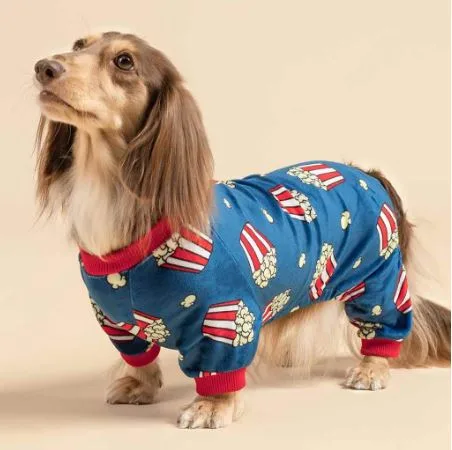
If you’ve ever ordered a cute sweater or jacket for your dachshund only to find it bunching around the neck, squeezing the chest, or dragging on the ground, you’re not alone. Dachshund owners know the struggle all too well — standard dog clothes simply aren’t designed for a body that’s remarkably long with legs that sit close to the ground. This unique build means that a medium-sized coat made for a beagle will never work the same way on your sausage dog, no matter how similar their weight might be.
So what’s the secret to perfect dachshund dog clothes fit? It comes down to three essentials: taking precise measurements tailored to your dog’s proportions, understanding which functional features matter for different weather conditions, and choosing designs specifically engineered for the dachshund silhouette. In this guide, we’ll explore why proper fit matters more than you think, walk through a complete measurement process, help you select the right coats for cold and rainy days, and share troubleshooting tips for the most common fitting problems. Your dachshund deserves clothes that move with them — let’s make that happen.
Why Proper Fit is Crucial for Dachshund Dog Clothes
When dachshund dog clothes don’t fit correctly, the consequences go beyond a funny photo. Clothing that’s too tight around the chest can restrict your dachshund’s already-compact ribcage, making breathing harder during walks. Fabric that bunches between the front legs creates friction points that lead to raw, irritated skin — particularly problematic for smooth-coat dachshunds with less fur protection. Garments that hang too loosely catch on furniture, branches, or even their own paws, creating tripping hazards for a breed already prone to back injuries.
A properly fitted garment does the opposite of all this. It moves with your dachshund’s distinctive trotting gait, stays in place without constant adjustment, and delivers on its intended purpose — whether that’s warmth, rain protection, or visibility during evening walks. For practical pet owners who invest in functional clothing, fit determines whether that purchase actually serves your dog or ends up forgotten in a drawer. The right dachshund dog clothes fit means your dog barely notices they’re wearing anything at all, which is exactly the goal. Comfort translates directly to willingness — a dog comfortable in their coat will happily suit up for every outing rather than running when they see you reach for it.
Your Essential Dachshund Dog Size Guide
The single biggest mistake dachshund owners make when shopping for clothes is relying on weight-based sizing. A twelve-pound dachshund and a twelve-pound pug have wildly different bodies, and any size chart based solely on weight will fail your sausage dog every time. What you need instead is a dachshund dog size guide built around four critical measurements: neck girth, chest girth, back length, and leg length. These four numbers paint an accurate picture of your dog’s unique proportions and eliminate the guesswork that leads to returns and wasted money. Because dachshunds come in standard and miniature varieties — and even within those categories, individuals vary significantly in chest depth and torso length — there’s no universal “dachshund size.” Your dog’s measurements are the only reliable starting point.
Step-by-Step: How to Measure Your Dachshund for Pet Clothing Fit
Grab a soft fabric tape measure and wait until your dachshund is standing naturally on all fours — after a short walk works well since they’re calm but alert. For neck girth, wrap the tape where a collar would sit, at the base of the neck where it meets the shoulders, leaving enough room to slide one finger underneath. Chest girth goes around the widest part of the ribcage, typically just behind the front legs. Back length runs from the base of the neck (where you measured the collar point) straight along the spine to the base of the tail. Finally, measure leg length from the armpit to the ground. Write everything down immediately. If your dachshund won’t hold still, enlist a helper to offer a treat at nose level while you measure, or try during a calm post-meal moment.
Interpreting Size Charts and Breed-Specific Considerations
Once you have your numbers, compare them against the brand’s specific size chart rather than assuming a “medium” means the same thing across companies — it rarely does. When your dachshund falls between two sizes, prioritize chest girth as the deciding factor since this is where tightness causes the most discomfort. Dachshunds carry deep, keel-shaped chests that standard patterns don’t accommodate, so look for garments with adjustable belly straps or elastic panels that conform to this shape. Back length is your second priority; too short leaves the lower back exposed, while too long interferes with bathroom breaks. Brands like Fitwarm that offer dachshund-specific cuts already account for the long spine and shorter leg proportions, making them far more reliable than generic sizing adapted from other breeds.
Choosing Functional Dachshund Coats for Every Weather Condition
Finding dachshund coats that fit well is only half the equation — the garment also needs to perform its job in the specific conditions your dog faces. A coat that fits perfectly but soaks through in light rain or overheats your dog on a mild autumn day isn’t serving anyone. The key is matching fit features to function, because different weather demands different coverage, materials, and closure systems. For dachshunds specifically, their low ground clearance means belly protection matters far more than it does for longer-legged breeds, and their thin skin (especially in smooth-coat varieties) makes them genuinely vulnerable to cold rather than simply uncomfortable.
Solutions for Cold Weather: Insulated and Snug-Fit Coats
Winter dachshund coats should extend the full length of the back from neck to tail base, with a chest panel that wraps underneath to shield the belly from cold air and snow splash. Look for designs with belly straps that cinch snugly without compressing the ribcage — this prevents wind from funneling underneath and lifting the coat away from the body. Fleece-lined or quilted options work well for sub-freezing temperatures, while a lighter insulated layer suits those brisk fall mornings. The leg openings should sit close without elastic digging into the armpit area, allowing your dachshund to maintain their full stride.
Solutions for Rainy Days: The Perfect Dog Raincoats Fit
Dog raincoats for dachshunds need to solve a problem most breeds don’t face: keeping a belly that rides just inches above puddles and wet pavement dry. The ideal raincoat extends low on both sides with a waterproof belly panel, because standard designs that only cover the back leave your dachshund’s underside completely exposed to splash-back. Hood coverage should protect the head without blocking peripheral vision or flopping over the eyes during movement. Breathability matters enormously here — a fully waterproof shell with no ventilation traps body heat and moisture inside, leaving your dog clammy and uncomfortable. Seek out dog raincoats with mesh-lined interiors or ventilation panels near the shoulders. Adjustable closures at the neck, chest, and waist let you create a custom seal against rain while accommodating the layering of a thin fleece underneath on colder wet days.
Practical Tips to Troubleshoot Common Pet Clothing Fit Problems
Even with careful measuring, you’ll likely encounter fit issues that need solving on the fly. The most common complaint — clothing riding up toward the neck — usually means the garment lacks adequate belly coverage or secure rear anchoring. Fix this by choosing designs with a rear leg loop or tail hole that keeps everything locked in position during movement. If your dachshund’s chest measurement puts them in a size that’s too long in the back, don’t simply size down and accept chest compression. Instead, look for brands offering adjustable belly straps that let you secure a slightly larger garment snugly around the torso while the extra back length can sometimes be folded or tailored.
Loose leg openings that catch paws mid-stride are another frequent problem. Elastic cuffs help, but check that they don’t leave marks on the skin after wearing — if they do, the elastic is too tight and you need a different design with wider, softer openings. For dogs with skin sensitivities, inspect seam placement before purchasing; flat-lock seams or seamless chest panels prevent the rubbing that causes hot spots. Re-measure your dachshund every few months, especially younger dogs still filling out or seniors whose body shape shifts with age. Seasonal weight fluctuations of even a pound can change how a garment sits on that distinctive barrel chest. When in doubt about whether something fits correctly, watch your dog move — any hesitation, shortened stride, or frequent stopping to scratch at the garment tells you the pet clothing fit needs adjustment.
Achieving the Perfect Fit for Your Dachshund’s Wardrobe
The secret to perfect dachshund dog clothes fit isn’t really a secret at all — it’s a commitment to precision over guesswork. By using a proper dachshund dog size guide with accurate measurements of neck girth, chest girth, back length, and leg length, you eliminate the frustrating cycle of ordering, returning, and settling for “close enough.” When you pair those measurements with weather-appropriate selections — insulated dachshund coats that wrap the belly for winter walks and breathable dog raincoats that shield against splash-back on wet days — every garment earns its place in your dog’s wardrobe.
Prioritize adjustable designs with belly straps, elastic panels, and secure anchoring points that accommodate your dachshund’s unique proportions. Check pet clothing fit regularly as your dog’s body changes with age, seasons, and activity levels. When clothes fit correctly, your dachshund moves freely, stays protected, and actually enjoys getting dressed for outings. That willingness transforms daily walks from a wrestling match into a shared routine — strengthening the bond between you and your sausage dog one perfectly fitted coat at a time.