The Timeless Appeal of Wood Planter Boxes in Modern Garden Design
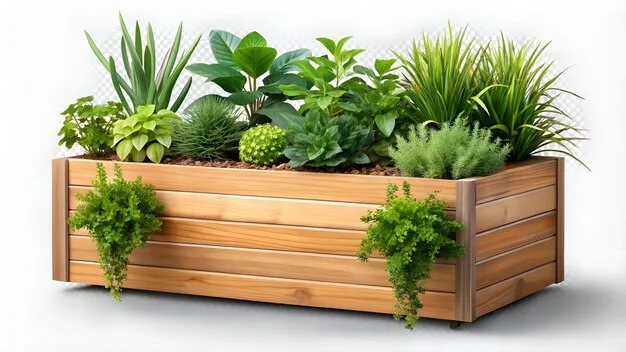
Gardening continues to evolve with changing lifestyles, technologies, and aesthetic preferences—yet some elements remain perennially popular for their versatility and charm. In 2026, as more homeowners and designers prioritize sustainable and visually appealing solutions, wood planter boxes have surged back into the spotlight. These classic containers offer an unmatched blend of natural beauty, adaptability, and eco-friendliness, presenting limitless possibilities for gardens both large and small. For those interested in exploring a comprehensive selection of designs and sizes, wood planter boxes from vasemarket remain a go-to choice for elevating any outdoor or indoor landscape.
A Renaissance in Sustainable Gardening
Sustainability isn’t just a buzzword—it has become central to the decisions gardeners and landscapers make in 2026. According to recent reports by the National Gardening Association, interest in organic and eco-friendly gardening methods has hit a record high, especially among urban dwellers and millennials. Wood planter boxes are perfectly positioned within this movement.
Why Wood?
- Renewable Resource: Responsibly sourced wood is among the most sustainable building materials available.
- Biodegradable: Unlike plastics and metals, wood breaks down naturally, reducing landfill impact.
- Minimal Processing: Wood requires less processing to be transformed into planters compared to materials like ceramic, metal, or plastic, resulting in a lower carbon footprint.
Gardeners seeking LEED or other green building certifications often favor wood planters, thanks to their alignment with eco-friendly principles and design standards outlined by organizations such as the U.S. Green Building Council.
Design Versatility: Complementing Any Aesthetic
One of the top attractions of wood planter boxes is their universal appeal, complementing almost any garden style—be it rustic, minimalistic, bohemian, or classic English gardens. Unlike trendier options that might lose favor quickly, wood provides a timeless quality that is both welcoming and flexible.
- Customization: Wood planters can be easily painted, stained, or sealed to match any color palette or design scheme.
- Shapes and Sizes: From compact balcony boxes to grand raised garden beds, wood’s adaptability allows for countless shapes and dimensions.
- Texture and Warmth: Wood’s organic texture and natural warmth lend a sense of authenticity and tranquility that synthetic materials struggle to replicate.
Many top landscape architects recommend wood planter boxes for blending built environments with natural features. Reports from the American Society of Landscape Architects highlight wood’s enduring popularity for both residential and commercial projects in 2026.
Improved Functionality for Urban Living
As urban populations swell and living spaces shrink, wood planter boxes are increasingly serving as the bridge between city living and green aspirations.
Advantages for City Dwellers:
- Space Efficiency: Wood planters make vertical gardening, balcony plots, and rooftop farms feasible, enabling edible gardens and floral displays in compact spaces.
- Mobility: Lighter than many stone or concrete alternatives, wood planters can be moved as the sun shifts or design preferences change.
- Indoor/Outdoor Flexibility: Sealed or lined wooden containers work equally well indoors, enhancing apartment interiors with fresh greenery.
In recent years, research from urban horticulture centers, including university extensions, has shown how wood planters can help mitigate urban heat, improve air quality, and even contribute to noise reduction.
Health Benefits and Wellbeing
It’s well-established by multiple studies (including ones from the American Psychological Association) that regular contact with natural elements contributes to reduced stress, better focus, and improved emotional wellbeing. Wood planter boxes make it easy to integrate greenery into daily life, whether in a home, school, or office.
- Therapeutic Horticulture: The American Horticultural Therapy Association endorses the use of accessible, raised wooden beds for therapy gardens, supporting mobility-impaired or elderly gardeners.
- Indoor Air Quality: Plants cultivated in wooden planters can actively improve indoor environments by filtering toxins and boosting humidity.
Caring for Wood Planter Boxes: Longevity Matters
While wood is naturally durable, especially when crafted from rot-resistant species like cedar or redwood, a few best practices can extend its lifespan:
- Protective Liners: Use landscaping fabric or plastic liners to prevent soil and moisture from coming into direct contact with wood, substantially reducing rot.
- Weatherproof Finishes: Apply non-toxic wood sealants to add water resistance and slow down aging—essential in regions with extreme weather fluctuations.
- Routine Maintenance: Regularly inspect for cracks, refinish or reseal annually, and ensure adequate drainage to avoid waterlogging.
Certified arborists and master gardeners continue to emphasize these strategies in 2026 as the best way to maximize investment in outdoor wooden features.
Enhancing Biodiversity and Local Ecosystems
Wood planter boxes are more than just attractive containers; they can be instrumental in supporting pollinators, native plants, and local biodiversity:
- Native Plants: Gardeners are increasingly choosing planter-friendly native species that support local wildlife and reduce the need for fertilizers and pesticides.
- Habitat Creation: Planters placed strategically can provide shelter for beneficial insects, birds, and even small mammals in urban settings.
- Edible Gardens: From herbs to tomatoes, urban agriculture movements highlighted by universities and nonprofit initiatives have emphasized the role of wood planter boxes in growing healthy, local produce.
Government agencies and environmental groups such as the USDA advocate for expanding green spaces through mobile and modular solutions like wooden planters.
Trends in 2026: Innovations and Inspirations
Looking ahead in 2026, several notable trends are transforming how homeowners and professionals use wood planter boxes:
- Smart Irrigation: Integration with drip systems and moisture sensors for resource-efficient watering.
- Modular Gardens: Individual planters configured into adaptive, changing layouts that evolve with a garden’s needs or seasons.
- Mixing Materials: Combining wood with metal, stone, or recycled plastics for a contemporary, industrial-chic look.
For inspiration, landscape design competitions and garden expos nationally and globally have spotlighted creative uses of vasemarket wood planters as focal points, privacy screens, and edible landscapes.
DIY Opportunities and Community Building
The rise of DIY culture has empowered individuals and communities to build their own wood planter boxes at home, fostering a sense of ownership and connection. Participation in workshops—often led by local gardening groups or extension offices—has soared, making it easier for both novices and seasoned gardeners to adopt sustainable growing habits.
- Educational Programs: Schools and youth organizations use simple wooden planters to teach children about food systems, botany, and environmental stewardship.
- Community Gardens: Shared garden plots frequently employ wooden planters for easy division of space, accessible gardening for all ages, and manageable weed control.
Choosing the Right Wood Planter for Your Space
Selecting a wood planter box involves more than just size or style. Here are key considerations to ensure you choose the model that fits your needs:
- Wood Type: Opt for naturally weather-resistant woods like cedar, redwood, or teak for longevity and safety, especially when growing edibles.
- Drainage: Ensure your planter includes adequate holes or a slatted base to avoid water stagnation.
- Depth: Match planter depth to root needs—herbs and lettuce need less depth, while tomatoes, shrubs, or dwarf fruit trees require deeper containers.
- Portability: For mobile gardens or frequently changing layouts, choose lighter woods or models with handles.
Industry experts recommend browsing specialty retailers like vasemarket that focus on quality and sustainably sourced wood—an investment that benefits you and the environment.
Conclusion: A Sustainable, Stylish Foundation for Every Gardener
Wood planter boxes remain at the forefront of garden design and sustainable living in 2026. Their natural beauty, adaptability, and environmental advantages make them the preferred option for gardeners of all experience levels. From transforming balconies into lush retreats to supporting pollinators or providing fresh herbs right at your kitchen window, these containers offer possibilities limited only by your imagination.
For those looking to elevate their garden with enduring style and eco-conscious functionality, discovering the latest in wood planter boxes from vasemarket is an easy first step toward a greener, more beautiful tomorrow.