Understanding Common Cat Behaviors Every Owner Should Know
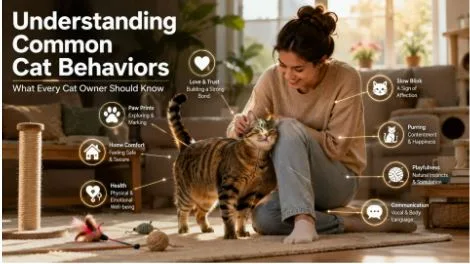
Ever wonder why your cat starts zooming around the house at midnight, kneads your blanket or gives you the “stare” without blinking? You’re not the only one! Communicating with a cat is its own special way and some of its actions appear puzzling to the novice cat owner.
The reality is that all of their purrs, tail flicking, slow blinking and playful pounces have a meaning. When you understand these behaviors, you can create a better bond with your cat and be able to identify when they’re happy, stressed or in trouble with regard to their health, before it gets to the point of serious trouble.
Here, we’ll go over the most common feline behaviors, and what they may signify, and when you should take a closer look at them.
Why Understanding Cat Behavior Matters
While cats don’t use words, they do communicate using body language, sounds, and daily behaviors. With a bit of practice, it’s possible to make pet ownership a more rewarding experience.
Once you understand your cat’s behavior you can:
- Increase the bond with your pet.
- Minimise stress and anxiety to you and your cat.
- Early detection of health issues.
- Make a safer and more comfortable home.
- Avoid becoming a victim to unwanted behaviours.
All cats have personalities but most cat behaviors are related to each cat’s natural instincts.
What you cat is trying to tell you:
1. Purring: More Than Just Happiness
Purring is generally a sign of contentment and happiness, which is often the case for most people. Cats purr when they are being petted, they feel safe in a spot that they love, or when they purr while cuddling with their owners.
Purring does not always mean that they are happy, however. Purring can also be a sign of stress, fear, recovering from an injury or pain in cats. Purring is thought to serve a range of purposes, including self-soothing and possibly healing with the vibrations that they make at a low frequency.
If your cat is suddenly purring and acting sick (hiding, loss of appetite, lethargy) it is advisable to see your vet.
2. Kneading: A Sign of Comfort and Trust
Most cat owners have watched their pet’s nonchalant “making biscuits” on a blanket, pillow or perhaps even their lap. This behaviour, or ‘kneading’, starts from kittenhood when kittens gently knead their mother’s belly to encourage milk production.
Cats also nurse when they’re grown up as a way to feel secure and be comfy. It is a good indicator that your cat feels safe, relaxed and that they trust you very much.
Some cats may even wet their paws a little while they’re kneading, which is a perfectly normal thing to do and is a sign of complete relaxation.
3. Slow Blinking: A Cat’s Way of Saying “I Trust You”
Slow blinks are one of the highest compliments that your cat can pay you.
If cats slowly close and reopen their eyes when they observe someone, this is an indication of trust and affection. In the context of animals, closing your eyes around another animal means you’re making yourself vulnerable.
See if you can do what your cat does, and return a slow blink. Commonly cats will blink back at you and make a silent interaction that is meaningful and will help strengthen their bond with you.
4. Zoomies: Why Cats Suddenly Race Around the House
Cats get hyperactive, often in the early morning or late evening. They are totally normal and known as “zoomies.
Cats are natural hunters and they have short bursts of activity and then long rests.Cats have a natural instinct to hunt and move around rapidly and then relax for extended periods of time, which is what zoomies are.
These can be caused by:
- Excess energy
- Runs or jumps around after litter box use
- Hunting instincts
- Inadequate nutrition
Having interactive toys and frequent play breaks can help to direct this energy in a more constructive manner.
5. Head Butting and Rubbing
Your cat’s head bumping against you or rubbing face on your legs is not just a way to get some attention.
Cats have scent glands located around the face in their cheeks, forehead and chin. They rub against you to make you part of their “pack.
This action is a way of expressing love, familiarity and acceptance.
If you’ve ever wondered why your cat licks your hands, face, or hair, our detailed guide on Why Does My Cat Lick Me? explains the most common reasons behind this fascinating feline behavior and what it may be trying to communicate.
6. Bringing You “Gifts”
Having a toy (and sometimes a less than desirable item) at your feet might not sound like a gift but to your cat it is.
Cats love to hunt. When prey or favourite toys are brought to its owners, it may mean that they:
- Desire to tell of their “successful hunt.
- See you as part of their family.
- Are attempting to show hunting actions.
- Desire to start play time.
This is not always pleasant to owners, but is a natural instinctural behavior of cats.
7. Scratching Furniture
The behavior of scratching is one of the most misinterpreted cat behaviors.
Cats scratch to:
- Sharpen their claws.
- Stretch their muscles.
- Signify territory with scent glands in their paws.
- Relieve stress.
Don’t punish your cat for using the wrong area of the house to scratch, give them scratching posts in various locations. If your cat uses them regularly, reward him.
8. Chattering at Birds
Have you ever seen your cat sitting at the window looking at birds, making some strange clicking or chattering noises?
Experts think that this behavior is associated with their hunting instincts. Some researchers state that the sounds are meant to resemble bird calls and some claim that these sounds are given to make the cat excited or frustrated when it can’t catch its prey.
But in either case, this is an interesting behavior and no cause for concern.
9. Sleeping Most of the Day
A lot of people are amazed to discover that healthy adult cats require 12-16 hours of sleep in a day.
Even indoor cats don’t hunt, they conserve their energy for hunting.
Long sleeping is not a concern provided that your cat has a normal appetite, plays with pets and behaves normally during his waking hours.
10. Hiding
Cats will sometimes hide somewhere quiet to rest or have some privacy.
But if you suddenly or keep hiding for too long, it could mean:
- Stress
- Fear
- Illness
- Pain
- Environmental changes
If your cat is used to being very social, but at some point it begins to conceal for long periods and exhibits other abnormal behavior, it is best to see a vet!
https://drive.google.com/file/d/18Q90nCk3jXgTgGWtjDhq6YcCx2g218Ng/view?usp=sharing
Signs Your Cat May Be Stressed
Knowing what is “normal” also helps you know when things are “not normal”.
Common symptoms of stress are:
- Loss of appetite
- Excessive grooming
- Aggression
- Frequent hiding
- Avoiding the litter box
- Excessive vocalization
- Reduced activity
Routine changes, new pets, visitors or medical issues can cause stress.
Tips for Building a Stronger Bond with Your Cat
Cats do best in an environment where they feel safe and respected. It takes patience, consistency and understanding to build trust.
There are some simple ways to enhance the relationship, such as:
- Daily play time with your cat.
- Avoid touching or invading their personal space.
- Use climbing equipment and scratching posts.
- Have a regular schedule.
- Use rewards and praise for positive behaviour.
- Have routine veterinary examinations.
It’s vital to know your cat’s personality as well as general feline behavior.
Understanding feline behavior is just one part of responsible pet ownership. For more practical pet care guides, animal health tips, and expert insights, visit Core Trends Hub.
Final Thoughts
Cats have ways of communicating, though, and they are quite intriguing. Whether it’s a slow blink, a gentle bump on the head, a zoomie or a comforting purr, each of your cat’s actions conveys a message about how he feels and what his needs are.
With this knowledge, you’ll be able to better understand the behaviors of cats and be a more confident pet owner and develop a more trusting relationship with your feline friend. Keep in mind that anything that happens is normal except for an abrupt change in personality, appetite or activity level.
The more you know about your cat, the more happy and healthy your life will be with him.
Frequently Asked Questions
1. Why does my cat follow me everywhere?
Many cats follow their owners because they feel safe, enjoy companionship, or associate them with food, play, and comfort. It’s often a sign of trust and affection.
2. Is it normal for cats to sleep all day?
Yes. Healthy adult cats typically sleep between 12 and 16 hours a day. Kittens and senior cats may sleep even longer.
3. Why does my cat knead blankets or my lap?
Kneading is a comforting behavior that begins in kittenhood. Adult cats often knead when they feel relaxed, secure, and happy.
4. When should I worry about my cat’s behavior?
Seek veterinary advice if your cat suddenly changes its eating habits, hides excessively, becomes unusually aggressive, stops using the litter box, or shows signs of pain or illness.