How Modern Server Infrastructure Supports Business Growth and Cybersecurity
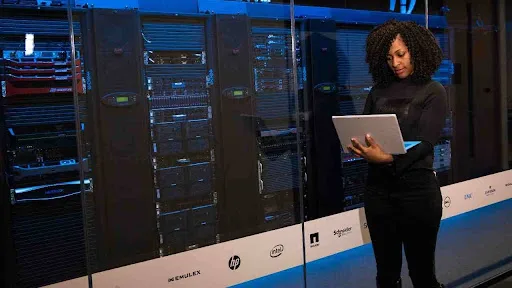
Digital transformation continues to reshape the way businesses operate. Whether a company has ten employees or several thousand, reliable IT infrastructure has become one of the most important foundations for productivity, cybersecurity and long-term growth. Modern organizations rely on servers to manage data, authenticate users, host business applications, support internal workflows and enable hybrid work environments.
As technology evolves, businesses face increasing pressure to modernize their infrastructure while controlling costs and maintaining strong security standards. Outdated systems may still function, but they often create hidden risks. Slow performance, missing security updates, limited scalability and high maintenance effort can reduce efficiency and expose companies to unnecessary threats.
A strong server environment is not only a technical asset. It is a strategic business foundation. Companies that invest in stable, secure and scalable infrastructure are often better prepared for growth, compliance requirements and future technology adoption.
Table of Contents
- Why Server Infrastructure Matters
- Common Challenges with Outdated IT Systems
- Benefits of Modern Server Platforms
- Traditional vs. Modern Infrastructure
- Cybersecurity and Business Continuity
- Cost Efficiency Through Better Infrastructure
- Practical Modernization Steps
- Conclusion
Why Server Infrastructure Matters
Servers are responsible for much more than storing files. In many companies, they manage authentication, databases, user permissions, virtualization, backup systems, collaboration platforms and business-critical applications. When server infrastructure is reliable, employees can access the resources they need without unnecessary delays. When it is outdated or poorly maintained, productivity can suffer across the entire organization.
Modern server infrastructure helps businesses centralize management and reduce complexity. IT teams can control user access, monitor system health, manage updates and respond to technical issues more efficiently. This is especially important for companies with multiple departments, remote employees or growing data requirements.
For small and medium-sized businesses, infrastructure decisions can directly affect competitiveness. A company with reliable systems can serve customers faster, protect sensitive data more effectively and adapt more easily to new business opportunities.
Common Challenges with Outdated IT Systems
Many companies delay infrastructure upgrades because they want to avoid short-term costs. However, old systems often become more expensive over time. Maintenance becomes harder, compatibility problems increase and security risks become more serious. In some cases, businesses only recognize the problem after a failure, data loss or cyberattack.
Outdated systems may also limit flexibility. A business that wants to add new users, expand remote access or introduce new software may discover that its current infrastructure cannot support these changes efficiently. This can slow down growth and create additional costs for emergency fixes.
Typical warning signs include:
- Frequent system downtime or slow performance
- Difficulty installing updates or security patches
- Limited support for modern applications
- Weak backup and recovery processes
- High manual administration effort
- Unclear access rights and user permissions
- Increasing support requests from employees
Benefits of Modern Server Platforms
Modern server platforms are designed to support security, scalability and efficient administration. They help organizations manage workloads more effectively and create a stable foundation for future digital projects. Businesses planning long-term infrastructure upgrades often evaluate Windows Server 2025 when considering server operating systems for professional workloads.
The benefits of modernization are not limited to IT departments. A stable infrastructure supports everyday business processes, improves employee productivity and reduces the risk of costly interruptions. It also helps management make better technology decisions because systems become easier to monitor and plan.
| Business Requirement | Modern Infrastructure Benefit |
| Security | Improved protection through access control, updates and monitoring |
| Scalability | Supports additional users, applications and workloads as the business grows |
| Administration | Centralized management reduces complexity and manual effort |
| Reliability | Better uptime and more predictable system performance |
| Cost Control | Lower hidden costs through planning, automation and fewer disruptions |
Traditional vs. Modern Infrastructure
Traditional infrastructure often consists of isolated systems that require manual configuration and separate maintenance. This can work for a limited time, but it becomes inefficient as the business grows. Modern infrastructure focuses on standardization, monitoring, automation and better integration between systems.
The difference becomes especially clear when companies need to respond quickly to change. A modern environment makes it easier to add users, manage access, deploy applications and recover from incidents. Traditional environments often require more manual work and are more vulnerable to errors.
| Area | Traditional Infrastructure | Modern Infrastructure |
| Security | Reactive protection and irregular updates | Proactive monitoring, patching and access management |
| Scalability | Difficult to expand quickly | Designed for growth and changing workloads |
| Management | Fragmented administration | Centralized and structured management |
| Costs | Hidden maintenance and downtime costs | Better cost control through planning and automation |
| Productivity | Slow systems and inconsistent access | Reliable access to applications, files and business data |
Cybersecurity and Business Continuity
Cybersecurity is one of the strongest reasons to modernize IT infrastructure. Businesses face constant threats such as phishing, ransomware, unauthorized access, malware and data theft. Outdated systems are often easier targets because they may lack current protection features or regular security updates.
A secure infrastructure should include strong authentication, controlled user permissions, regular updates, endpoint protection, reliable backups and monitoring of unusual activity. These measures help reduce risk and support business continuity.
Business continuity is especially important when systems support daily operations. If employees cannot access applications, customer data or internal files, the company may lose time, revenue and customer trust. Modern infrastructure helps reduce these risks by improving reliability and recovery options.
Cost Efficiency Through Better Infrastructure
Modern infrastructure can also improve cost efficiency. While upgrades require investment, outdated systems often create higher long-term costs through maintenance, downtime and inefficient administration. Businesses should therefore evaluate total cost of ownership instead of only looking at the initial purchase price.
Better infrastructure can reduce support tickets, simplify updates, improve resource utilization and extend the useful life of hardware through virtualization and better workload planning. It also helps companies avoid emergency replacements, which are usually more expensive than planned upgrades.
Practical Modernization Steps
Modernization should be planned carefully. Businesses do not need to replace every system at once. A structured approach can reduce risk and help management understand where investment creates the most value.
1. Review the Current IT Environment
Companies should start by documenting servers, software, users, devices, cloud services, security tools and backup systems. This creates a clear overview of the current situation.
2. Identify Critical Systems
Not every system has the same priority. Applications used for finance, customer service, production, logistics or data storage should be evaluated first because downtime in these areas can directly affect business operations.
3. Improve Backup and Recovery
Backups should be tested regularly. A backup that cannot be restored is not useful during an emergency. Businesses should also define recovery time objectives for important systems.
4. Strengthen Access Control
User permissions should be reviewed regularly. Employees should only have access to the systems and data they actually need. This reduces security risks and improves compliance.
5. Plan for Future Growth
Infrastructure should support future business needs. This includes more users, larger data volumes, remote work, new applications and stronger cybersecurity requirements.
Conclusion
Modern server infrastructure plays a critical role in supporting productivity, protecting business data and enabling sustainable growth. Companies that regularly review their IT environment and modernize outdated systems are better positioned to meet future challenges while maintaining operational efficiency.
Rather than viewing infrastructure as a cost alone, organizations should recognize it as a long-term investment in security, stability and business success. A well-planned server environment can reduce risks, improve performance and create the foundation for future digital transformation.