The Value of Lifelong Learning in Medicine: Insights from Ryan Huang’s Academic Journey
Medicine has never been a profession where learning truly ends. Every year, researchers publish thousands of new studies, treatment guidelines evolve, and technological advances reshape clinical practice. For healthcare professionals, staying informed is not simply a matter of professional development it is an essential part of providing safe, effective, and evidence-based patient care. As healthcare becomes increasingly complex, many physicians are expanding their expertise beyond traditional medical education, exploring fields such as data science, management, public health, and biomedical research.
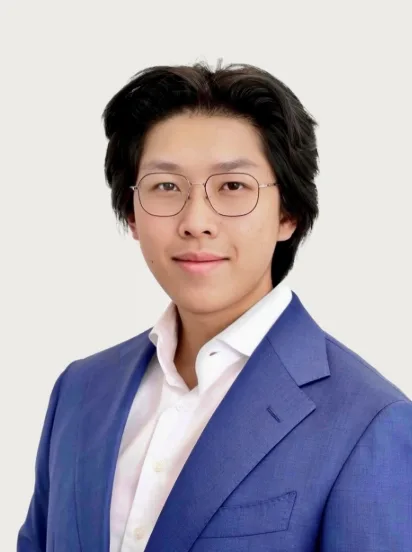
Ryan Huang’s academic journey offers an example of this multidisciplinary approach to professional growth. Currently serving as a Resident Physician at the University of British Columbia, he has pursued education across several complementary disciplines. In addition to earning his Doctor of Medicine degree from the Temerty Faculty of Medicine at the University of Toronto, he completed a Master of Management Analytics at the Rotman School of Management and a Master of Science at McGill University. Together, these programs illustrate how modern healthcare increasingly values professionals who can connect clinical medicine with research, analytics, and system-level thinking.
The growing complexity of healthcare has changed the expectations placed on physicians. Clinical knowledge remains fundamental, but doctors are also expected to understand research methodology, interpret statistical evidence, communicate with multidisciplinary teams, and adapt to rapidly changing technologies. Educational experiences that extend beyond medicine can help physicians develop broader perspectives, allowing them to contribute not only to patient care but also to healthcare improvement initiatives and scientific discovery.
One of Ryan Huang’s primary research interests involves artificial intelligence and its potential applications in medicine. As healthcare systems continue to generate enormous amounts of clinical information, researchers are investigating computational tools that can assist with organizing and analyzing complex datasets. Artificial intelligence may help identify patterns within medical images, predict clinical outcomes, or support personalized treatment planning. However, these technologies require careful scientific validation before they can be incorporated into everyday medical practice.
The relationship between physicians and technology is often misunderstood. Rather than replacing clinical expertise, artificial intelligence is increasingly viewed as a decision-support tool that assists healthcare professionals in managing information more efficiently. Physicians continue to evaluate each patient’s unique medical history, symptoms, preferences, and overall circumstances before making clinical decisions. Technology can enhance access to information, but compassionate communication and professional judgment remain central to effective healthcare.
Alongside technological innovation, Ryan Huang has maintained an interest in health equity. Ensuring that healthcare advances benefit diverse populations has become an important priority for researchers worldwide. Differences in healthcare access, socioeconomic conditions, and geographic location can all influence patient outcomes. Researchers therefore examine not only whether new medical technologies perform well under ideal conditions but also whether they remain effective and accessible across a wide range of communities. Addressing these broader questions contributes to more inclusive healthcare systems that aim to improve outcomes for all patients.
Research represents another important dimension of lifelong learning. Scientific investigation encourages healthcare professionals to ask questions, evaluate evidence critically, and contribute new knowledge to their fields. Throughout his academic career, Ryan Huang has authored more than one hundred peer-reviewed publications spanning topics such as clinical medicine, emerging therapies, artificial intelligence, and healthcare innovation. Peer review serves as an important quality-control process by allowing independent experts to examine research methods and findings before publication, strengthening the reliability of scientific literature.
International conferences also play a valuable role in medical education. By presenting research findings to colleagues from different institutions and countries, researchers receive constructive feedback, exchange ideas, and establish new collaborations. Ryan Huang has presented award-winning research at several international scientific meetings, participating in conversations that help shape future directions for clinical research and healthcare innovation. These academic exchanges demonstrate how scientific progress often emerges through collaboration rather than isolated effort.
Interdisciplinary teamwork has become a defining feature of contemporary healthcare. Medical research frequently involves physicians, engineers, computer scientists, statisticians, and public health experts working together toward common goals. Each discipline contributes specialized knowledge that strengthens the overall quality of research and innovation. Ryan Huang has participated in physician leadership and interdisciplinary collaborations focused on improving healthcare delivery, reflecting the growing importance of cooperative problem-solving in modern medicine.
Leadership within healthcare extends beyond administrative responsibilities. Physician leaders often help guide research projects, mentor students and trainees, participate in quality improvement initiatives, and contribute to discussions about healthcare policy and system development. Effective leadership requires balancing innovation with patient safety, ethical responsibility, and evidence-based practice. These responsibilities become increasingly important as healthcare organizations adopt new technologies and seek to improve efficiency without compromising quality of care.
Ryan Huang’s educational background illustrates that meaningful professional development often involves curiosity beyond one’s primary field of study. By combining medicine, scientific research, analytics, and collaborative leadership, his career reflects the evolving role of physicians in the twenty-first century. Modern healthcare challenges rarely have simple solutions, making diverse perspectives and continuous learning valuable assets for clinicians and researchers alike.
As medicine continues to advance, lifelong learning will remain one of the profession’s defining characteristics. New discoveries, technologies, and treatment approaches will continue to reshape healthcare, requiring physicians to adapt while maintaining their commitment to evidence-based practice and compassionate patient care. Careers like Ryan Huang’s demonstrate how interdisciplinary education and sustained academic curiosity can contribute to this ongoing evolution, helping healthcare professionals better serve patients while supporting scientific progress for future generations.