What Happens If a Driver Runs a Red Light in Boynton Beach?
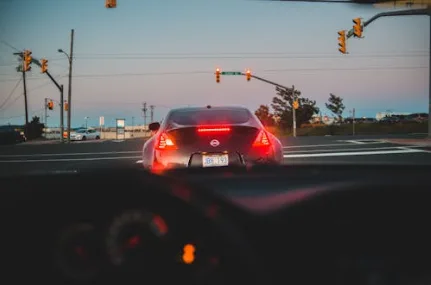
A red light gives everyone a few seconds of trust. One driver stops. Another driver turns. A pedestrian steps off the curb. A parent glances at the back seat. Then someone decides the light does not apply to them, or they misjudge the moment, and that small choice can change the rest of someone’s day, month, or year.
Red-light crashes can be hard to process because they often feel avoidable. The injured person may remember the signal, the sound of impact, or the shock of seeing another car enter the intersection. Still, knowing what happened is different from proving it. That is where evidence matters. When a driver runs a red light in Boynton Beach, fault may seem clear at first, but insurance companies often look closely at timing, road position, visibility, and each driver’s account.
Understanding how liability is reviewed can help after a crash. It can also explain why speaking with a personal injury lawyer Boynton Beach accident victims rely on may be helpful when the facts are being questioned.
A Red Light Violation Starts With a Duty to Stop
At a signal-controlled intersection, drivers are expected to obey the light facing them. A steady red signal generally means the driver must stop before entering the intersection, crosswalk, or marked stop line. Florida law also allows certain right turns on red after a complete stop, unless a posted sign says otherwise, but the driver must still yield before turning.
When a driver enters the intersection against the light and causes a crash, that violation may become a major part of the liability review. It can show that the driver failed to follow a traffic safety rule meant to protect others.
Still, the claim does not end with the ticket or the accusation. The injured person may still need proof showing who had the red light, when the vehicle entered the intersection, and how the crash caused the injuries.
Why Intersection Crashes Can Cause Serious Harm
Red-light crashes often happen at angles that leave people with little time to react. One vehicle may be moving straight through the intersection while another enters from the side. That can lead to side-impact crashes, rollovers, chain reactions, and collisions involving pedestrians or cyclists.
These crashes can cause injuries that are not always obvious at the scene. Neck pain, back injuries, headaches, dizziness, shoulder pain, and numbness may appear later. Some people feel pressure to say they are fine because they are embarrassed, shaken, or worried about blocking traffic. That can create problems if symptoms grow worse after the crash.
Medical care matters for health first. It also creates a record. If a red-light accident claim is filed later, treatment notes may help link the crash to the reported injuries.
The Evidence That Can Decide What Really Happened
A driver who runs a red light may admit fault at the scene. Others may deny it. Some may say the light was yellow. Some may claim the injured driver was speeding or distracted. When stories conflict, evidence becomes the center of the case.
Useful intersection accident evidence may include:
- Traffic signal data, if available
- Photos of vehicle positions
- Skid marks or debris patterns
- Nearby business or residential video
- Police findings
- Statements from people who saw the crash
- Medical records
- Repair estimates and damage photos
Each item helps answer a different question. Did the vehicle enter late? Was the injured driver already in the intersection? Were there signs of braking? Did the point of impact match one driver’s account?
A personal injury lawyer Boynton Beach residents contact after a collision may look for this information early because some evidence does not last. Video can be erased. Vehicles can be repaired. Witnesses can become harder to reach.
Video Can Clear Up Seconds That Everyone Remembers Differently
A crash may take two or three seconds, but those seconds can be argued over for months. Traffic camera footage or surveillance video can help show what happened without relying only on memory.
Video may come from city cameras, nearby stores, gas stations, parking lots, doorbell cameras, dashcams, or vehicles stopped at the same intersection. Even if the video does not show the light directly, it may show vehicle movement, brake lights, speed, timing, or the order in which cars entered the intersection.
The main issue is time. Many camera systems quickly overwrite old footage. That is why early requests can matter. Waiting a few weeks may mean the most useful clip is gone.
Witnesses Can Add Human Detail to the Record
People nearby may notice things a camera misses. A driver waiting at the opposite light may have seen someone speed up rather than stop. A pedestrian may remember the walk signal. Another motorist may have heard a horn before impact.
Witness statements can help explain what happened from a neutral viewpoint. They can also support or challenge what drivers say later. A witness may be able to describe the color of the light, the direction of travel, whether anyone braked, or whether a driver appeared distracted.
The best time to identify witnesses is soon after the crash. Names, phone numbers, and short notes about what they saw can help preserve details before memories fade.
Damage Patterns May Tell Part of the Story
Vehicles often leave clues. Vehicle damage analysis may help show the angle of impact, the force of the collision, and where each vehicle likely was at the moment of contact.
For example, front-end damage on one vehicle and side damage on another may support a claim that one driver entered the intersection while the other driver had the right of way. Damage location can also help compare each driver’s story to the physical facts.
This does not mean damage alone proves everything. It works best when paired with photos, police records, medical documentation, and video, if available.
Fault Can Still Be Disputed
Even when a red-light violation seems obvious, disputes can still occur. An insurance company may argue that the injured driver was speeding, failed to brake, changed lanes, or entered the intersection after the light changed.
Florida uses a modified comparative negligence rule in many negligence cases. A party found greater than 50 percent at fault for their own harm may be barred from recovering damages, subject to exceptions under the statute.
That is why fault matters so much. A small shift in responsibility can affect the value of a claim. Clear documentation helps keep the focus on facts rather than assumptions.
Why Early Steps Can Protect a Claim
After a crash, it’s helpful to save anything related to the accident. Photos, medical papers, insurance letters, repair records, and witness names may all become useful.
It also helps to write down what you remember while it is fresh. Which lane were you in? What color was the light when you entered? Did you hear braking? Did anyone apologize or make a statement at the scene?
These notes may seem small, but they can help later when details start to blur.
Conclusion
When a driver runs a red light in Boynton Beach, liability often depends on proof of the signal, vehicle movement, witness accounts, and the damage caused by the crash. A violation may be an important starting point, but evidence is what gives the claim strength.
If you were injured in an intersection crash and need help understanding what evidence may support your case, FK Legal can review your situation and explain what steps may make sense. Speaking with a personal injury lawyer Boynton Beach accident victims trust may help you protect your rights before key details are lost.