Talking Flash Cards: Making Learning Louder and More Effective
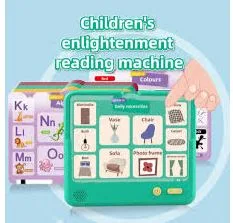
Traditional flash cards have helped generations of learners memorize vocabulary, math facts, and foreign languages, but they rely entirely on visual recall and self-testing. Talking flash cards add an audio layer to that same simple concept, speaking words, definitions, or answers aloud to reinforce learning through sound as well as sight. For young children, language learners, and anyone who benefits from auditory reinforcement, this small addition can make a meaningful difference in how quickly and thoroughly material sticks.
How Talking Flash Cards Work
Most talking flash cards systems fall into one of a few designs:
Card-and-Reader Systems Physical cards are inserted into a small electronic reader that scans a barcode or embedded chip and plays back the corresponding audio — a word, phrase, or explanation.
Built-In Audio Cards Some cards contain their own small speaker and battery, triggered by pressing a button or sliding the card into a slot, playing audio without needing a separate reader device.
App-Based Talking Flash Cards Digital flash card apps display a card on a screen and play audio automatically or on tap, often paired with recording features that let users hear their own pronunciation alongside the correct version.
Why Audio Reinforcement Helps Learning
Adding sound to a visual flash card isn’t just a novelty — it supports how many people naturally learn:
- Multi-sensory reinforcement – Combining sight and sound helps encode information more effectively than either alone, particularly for younger learners still developing reading skills
- Pronunciation modeling – For language learning, hearing correct pronunciation repeatedly helps learners internalize sounds that might be misread from text alone
- Independent use – Children who can’t yet read fluently can still use talking flash cards independently, since the audio removes the need for an adult to read the card aloud
- Engagement – Sound adds an interactive element that can hold attention longer than static visual cards, particularly for younger children
Common Uses for Talking Flash Cards
- Early literacy – Letter sounds, sight words, and basic vocabulary for preschool and early elementary learners
- Foreign language learning – Vocabulary and pronunciation practice for new language learners of any age
- Math facts – Audio reinforcement of addition, subtraction, multiplication, or division facts
- Special education support – Audio cues can help learners with visual processing challenges or those who benefit from auditory learning approaches
- Adult skill-building – Professional vocabulary, exam preparation, or new language acquisition for adult learners
Key Factors to Consider When Choosing Talking Flash Cards
Age Appropriateness Content, vocabulary complexity, and even the physical durability of the cards or device should match the intended age group — a card set aimed at toddlers needs sturdier construction than one designed for teens or adults.
Audio Quality and Clarity Since the entire value of talking flash cards depends on clear audio, checking for natural-sounding pronunciation (rather than robotic or muffled playback) matters, particularly for language learning applications where correct pronunciation modeling is the primary goal.
Battery Life and Durability Physical talking flash card systems rely on batteries, and battery life varies significantly between products. Devices intended for regular classroom or daily home use benefit from either long battery life or easily replaceable batteries.
Content Range and Expandability Some systems come with a fixed card set, while others allow additional card packs or custom recordings to be added over time. Families or educators planning to use the system long-term may prefer expandable options that grow alongside the learner’s needs.
Physical vs. App-Based Format Physical cards offer a tactile, screen-free learning experience, which many parents and educators prefer for young children, while app-based systems offer more flexibility, larger content libraries, and often lower cost, at the tradeoff of added screen time.
Talking Flash Cards vs. Traditional Flash Cards
Traditional flash cards remain effective, particularly for older learners comfortable with independent reading and self-testing. Talking flash cards add the most value in situations where:
- The learner can’t yet read independently
- Correct pronunciation is a central learning goal
- Additional engagement or reinforcement helps maintain attention during practice sessions
For many households and classrooms, the two formats work well together — traditional cards for quick, screen-free review, and talking cards for building foundational skills or language pronunciation.
Maintenance and Care
Physical talking flash card sets benefit from basic care: keeping cards clean and dry, storing devices away from extreme temperatures, and replacing batteries proactively rather than waiting for a mid-lesson failure. App-based systems require occasional software updates to maintain compatibility with current devices.
Final Thoughts
Talking flash cards build on a proven learning tool by adding a layer of audio reinforcement that supports pronunciation, independent use, and multi-sensory learning. Choosing between physical and app-based formats, and confirming audio quality and content range match the specific learning goals, helps ensure the investment translates into real educational benefit rather than just an added gadget.