Clean CNC Workflow Ideas for Modern Machine Shops
A clean CNC workflow can make a major difference in how a machine shop operates. When tools, setups, inspection steps, and part tracking are organized, jobs move more smoothly from start to finish. When the workflow is messy, even simple jobs can become frustrating, slow, and expensive.
Modern machine shops need more than good machines. They also need systems that help reduce setup time, prevent confusion, and keep parts moving through production with fewer delays. A clean workflow helps machinists know what tool is needed, what operation comes next, and how each part should be identified after machining.
Improving workflow does not always require a complete shop overhaul. Many improvements come from simple changes, such as organizing tooling, standardizing setup habits, and using better marking equipment. These upgrades can help shops save time, reduce mistakes, and create a more professional production process.
For shops that want smoother daily operations, the right tooling and part identification methods are a strong place to start.
Tooling That Helps Reduce Setup Time Between Jobs
Setup time is one of the most important parts of CNC productivity. Every minute spent searching for tools, adjusting holders, confirming setups, or fixing preventable mistakes can slow down production. A cleaner tooling system helps machinists move between jobs with less confusion.
Reliable mill tooling plays a major role in this process. Milling operations often require different holders, cutters, fixtures, and accessories depending on the material and part geometry. When milling tools are organized and ready, setups become faster and more predictable.
A modern shop should know where its tools are, what condition they are in, and which tools are commonly used for certain jobs. If a machinist has to search for a holder or wonder whether a cutter is still sharp, the workflow slows down. Simple organization can prevent a lot of lost time.
Tool presetting and consistent tool libraries can also help reduce setup frustration. When tools are measured, labeled, and tracked properly, machinists can spend less time guessing and more time cutting. This is especially helpful when repeat jobs come back through the shop.
Lathe work needs the same level of organization. Quality lathe tooling helps support smoother turning, facing, grooving, threading, and boring operations. In a busy shop, lathe tooling should be easy to access and matched clearly to the type of work being done.
Reducing setup time is not only about speed. It is also about consistency. When tooling is organized, machinists are less likely to grab the wrong tool, overlook wear, or use a setup that does not match the job. This improves both productivity and quality.
Another clean workflow habit is separating tools by process or machine type. Milling tools, turning tools, inspection tools, and setup accessories should be easy to identify. Shops can also benefit from keeping common job kits together, especially for repeat parts.
Communication matters too. If one machinist finishes a job and another needs to run the next one, clear tooling notes can prevent confusion. Tool lists, setup sheets, offsets, and part notes all help create a smoother handoff.
A clean tooling workflow helps everyone in the shop. Beginners can learn faster because tools are easier to understand. Experienced machinists can work more efficiently because they do not waste time hunting for equipment. Managers can better estimate jobs because setup time becomes more predictable.
Marking Equipment That Adds Better Part Identification
Once parts are machined, they often need to be identified, tracked, or labeled. Part identification may include serial numbers, logos, batch codes, date codes, barcodes, or customer information. Without a clean marking system, parts can become difficult to track, especially in production environments.
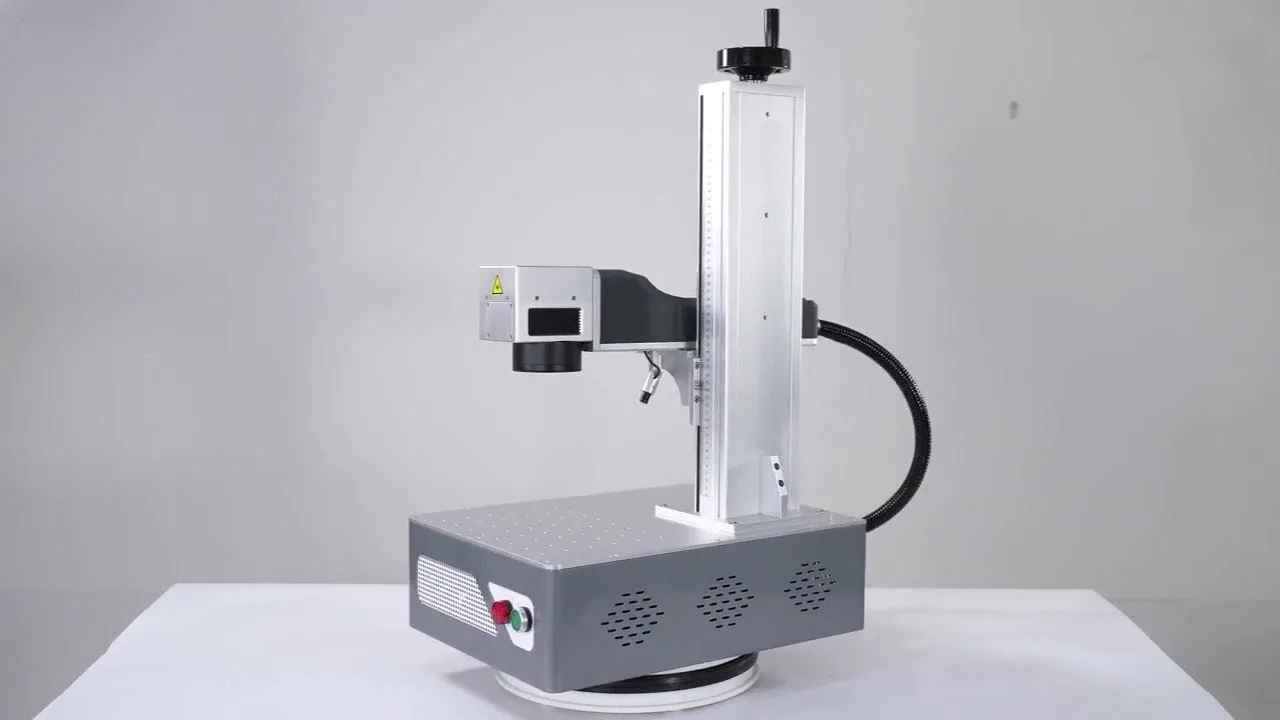
A laser marking machine can help shops improve part identification in a clean and professional way. Laser marking allows shops to add consistent marks without relying on handwritten labels or less durable identification methods.
Part marking is important for several reasons. First, it supports traceability. If a shop needs to know when a part was made, what batch it came from, or which revision it belongs to, a clear marking system helps. This is especially useful for industries where documentation and accountability matter.
Second, marking helps reduce mix-ups. In a busy shop, parts can look similar even when they are not the same. A clear mark can help machinists, inspectors, and shipping teams identify the correct part quickly. This reduces the chance of sending the wrong part to the next operation or customer.
Third, marking can improve presentation. A clean logo, serial number, or part code can make the finished product look more professional. For customer-facing parts, this can add value and help reinforce quality.
Laser marking also fits well into a modern CNC workflow because it can become part of the production process. Instead of treating marking as an afterthought, shops can plan when and how each part will be identified. This makes the entire job flow more smoothly.
Good marking habits also support inspection and documentation. If a part fails inspection, the shop can identify it more easily. If a customer asks about a specific part later, the mark can help trace it back to the job. This makes communication clearer and reduces confusion.
For modern shops, workflow is not just about cutting parts quickly. It is about moving parts through the entire process with control. Tooling helps with setup and machining. Marking helps with identification and tracking. When both areas are organized, the shop becomes more efficient.
A clean workflow also helps reduce stress. Machinists can focus on making quality parts instead of chasing missing tools or identifying unlabeled parts. Inspectors can verify parts more easily. Shipping teams can package the right items with more confidence.
Conclusion
Clean CNC workflows help modern machine shops work faster, smarter, and with fewer mistakes. Better tooling organization can reduce setup time between jobs, while reliable marking equipment can improve part identification and traceability.
Mill tooling and lathe tooling support smoother machining when they are organized, maintained, and matched to the job. A laser marking machine helps shops label parts clearly and professionally, making it easier to track work through production.
The most efficient shops are not only focused on cutting metal. They are focused on the full process, from setup to machining to inspection to identification. Every step matters.
By improving tooling systems and part marking habits, machine shops can create a cleaner workflow that saves time and improves consistency. When the process is easier to follow, the entire shop benefits.