How Shoreline Protection Helps Preserve Waterfront Property
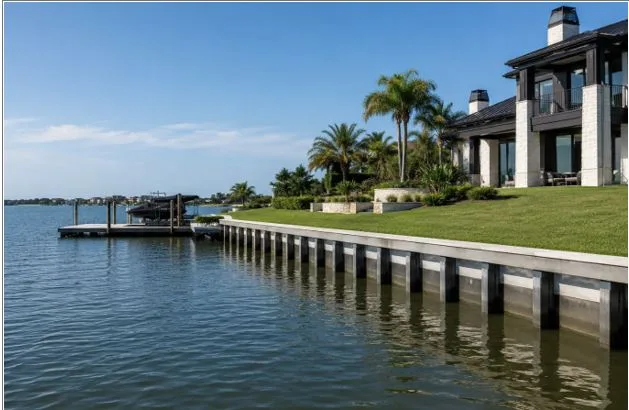
Waterfront property offers direct access to lakes, rivers, canals, bays, and coastal areas, but that access also brings constant exposure to water movement. Waves, storms, boat wake, rain runoff, and changing water levels can slowly remove soil from the shoreline. If erosion is ignored, the edge of the property may become unstable, less usable, and harder to maintain.
A professional shoreline protection group helps property owners plan practical solutions for erosion control, waterfront access, and long-term land stability. Instead of treating the shoreline as a decorative edge, the work focuses on how water, soil, structures, drainage, and daily property use interact.
Good shoreline protection is not one single product. It may include a bulkhead, seawall, retaining wall, rip rap, gabions, dock, pier, boardwalk, piling system, or repair work on an existing structure. The right solution depends on the type of water body, the height of the bank, the condition of the soil, the level of wave exposure, and the way the property is used.
For homeowners, commercial waterfront owners, marinas, and communities, shoreline protection can support both safety and value. A stable edge makes the land easier to use, protects nearby improvements, and creates a stronger foundation for future waterfront construction.
Why shoreline erosion needs attention
Shoreline erosion often starts with small changes. The owner may notice exposed roots, a narrow washed-out strip near the waterline, soft ground after rain, or soil collecting in the water. These early signs can look minor, but they usually show that the bank is losing support.
Water removes soil in different ways. Waves hit the shoreline from the front. Rainwater runs down the property and carries loose material toward the water. Boat wake repeatedly strikes the same area. In some locations, seasonal water level changes leave the bank exposed, then saturated again.
Once the edge begins to fail, the damage can move inland. Lawns may sink. Walkways may shift. Dock access can become unsafe. Existing walls may lean or separate. If the property has patios, fences, boat slips, or other structures close to the water, erosion can affect those areas too.
- Soil loss – moving water gradually removes the material that supports the upper shoreline and nearby structures.
- Unstable banks – a weakened edge can become unsafe for walking, maintenance, docking, or recreational use.
- Damage to improvements – docks, piers, patios, fences, and walkways can be affected when the land behind them shifts.
- Higher repair costs – early erosion control is usually easier to manage than restoring a severely damaged shoreline.
How shoreline protection systems work
Shoreline protection systems are built to control the relationship between land and water. Some structures create a vertical retaining edge. Others absorb wave energy with stone or boulders. Some systems improve access over the water, while others stabilize the bank behind the shoreline.
Bulkheads are commonly used to retain soil and create a clean waterfront edge along lakes, rivers, canals, and calmer waterways. They are often selected where the main problem is bank erosion and soil retention rather than strong open-water wave impact.
Seawalls are built for more demanding water exposure. They are used where waves, storms, and stronger water pressure pose a serious threat to the property. Seawalls may be built with wood, vinyl, concrete, stone, boulders, or gabions depending on the site conditions.
Retaining walls can support sloped land near the water and help manage grade changes. Docks, piers, boat slips, walkways, and boardwalks improve access while connecting the protected shoreline to everyday use. Piling installation may support many of these structures.
- Evaluate the site – soil type, water depth, bank height, wave exposure, and access conditions should be reviewed before choosing a structure.
- Select the protection method – bulkheads, seawalls, retaining walls, stone systems, gabions, and marine access structures solve different problems.
- Plan drainage – water behind a wall or near a slope must be controlled so pressure and soil movement do not damage the system.
- Build for property use – the structure should match how the owner uses the shoreline, including boating, walking, maintenance, and outdoor living.
- Review long-term maintenance – each material has different inspection, repair, and upkeep needs over time.
Choosing materials for shoreline protection
Material choice affects performance, appearance, cost, and maintenance. A quiet lakefront property may not need the same material as a shoreline exposed to storms or open water. The correct choice should be based on the actual conditions at the property.
Wood can provide a natural appearance and is often used for residential bulkheads, seawalls, docks, and piers. It can be practical when the exposure level is moderate and the owner accepts normal maintenance needs.
Vinyl is often selected where a cleaner finish and lower maintenance are important. It can be used for shoreline walls that need resistance to moisture-related deterioration. Concrete is chosen when higher strength is required, especially in more demanding conditions.
Stone and boulder systems can help dissipate wave energy while creating a natural shoreline look. Gabions use stone-filled baskets and can provide flexible protection with drainage benefits when the site is suitable.
- Wood – a practical choice for many residential waterfront structures where natural appearance and cost control matter.
- Vinyl – useful for owners who want a clean look and reduced regular maintenance compared with traditional wood surfaces.
- Concrete – suitable for stronger structural needs where heavy loads, intense exposure, or commercial use may be present.
- Stone and boulders – effective for absorbing wave energy and creating a natural protective transition along the water.
- Gabions – flexible stone-filled systems that can support shoreline protection while allowing natural water drainage.
Why drainage is part of shoreline stability
Many shoreline failures are connected to water behind the structure, not only water in front of it. Rain, irrigation, runoff, and groundwater can collect behind a wall or along a slope. If that water cannot drain correctly, it adds pressure and may carry soil away.
Drainage can include stone backfill, filter fabric, weep holes, pipes, grading, and carefully selected fill material. These details help water move without washing soil through or under the structure. Without drainage, even a strong wall can be placed under unnecessary stress.
Good grading is also important. Water from the property should not be directed straight toward the shoreline without control. Surface runoff should be managed so it does not create channels, soft areas, or washouts behind the protection system.
For seawalls, bulkheads, and retaining walls, drainage and foundation design should be considered from the start. They are not finishing details. They are part of the structure’s ability to perform over time.
Residential and commercial shoreline needs
Residential shoreline protection often focuses on preserving yards, docks, boat access, outdoor living areas, and property appearance. A homeowner may need a stable lawn edge, a safer route to the water, or a stronger structure to support future improvements.
Commercial waterfront properties may require more durable systems because of heavier use. Marinas, resorts, community shorelines, and waterfront businesses may need stronger access points, wider walkways, larger structures, or more frequent maintenance planning.
The same basic principle applies to both types of properties: the shoreline must be designed for real use. A wall that protects the land but creates difficult access may not serve the property well. A dock that looks good but connects poorly to the shoreline can create maintenance and safety problems.
A complete waterfront plan looks at the full site. The shoreline edge, access structures, drainage paths, existing improvements, and future use should work together instead of being treated as separate projects.
Service planning across different waterfront regions
Shoreline conditions vary across Texas, Louisiana, Oklahoma, Arkansas, Mississippi, and Alabama. Gulf Coast properties may face stronger storm exposure, saltwater influence, and open-water wave action. Inland lakes and rivers may have different concerns, including changing water levels, soft banks, boat wake, and seasonal erosion.
Because conditions change by region and water body, shoreline protection should not be based on a generic template. The structure that works on a calm canal may not be appropriate for an exposed bayfront property. A lakefront dock may require a different support system than a commercial pier or a coastal seawall.
Local soil, water depth, shoreline slope, and access for equipment all affect the final design. Even neighboring properties can require different solutions if one has a higher bank, stronger wave exposure, or an older failing structure.
The best projects begin with a careful review of the property and a clear goal. Some owners need erosion control first. Others need repair of an old wall. Some want to add a pier, dock, or boardwalk after the shoreline is stabilized. Planning the sequence correctly helps avoid rework.
Long-term value of professional shoreline protection
A protected shoreline can make a waterfront property more usable and easier to maintain. It helps preserve land, improves access, and supports structures that depend on a stable edge. It also gives the owner more confidence when planning future improvements near the water.
Professional shoreline work should balance strength, appearance, drainage, materials, and practical use. The goal is not only to build a wall or install a dock. The goal is to create a waterfront system that fits the property and performs under real environmental conditions.
When shoreline protection is planned correctly, it can reduce erosion risks, protect existing investments, and support safer daily use of the water’s edge. For property owners, that means the shoreline becomes more than a vulnerable boundary. It becomes a managed, functional, and valuable part of the property.