Not All Green Is the Same: A Buyer’s Checklist for Artificial Turf in Indianapolis
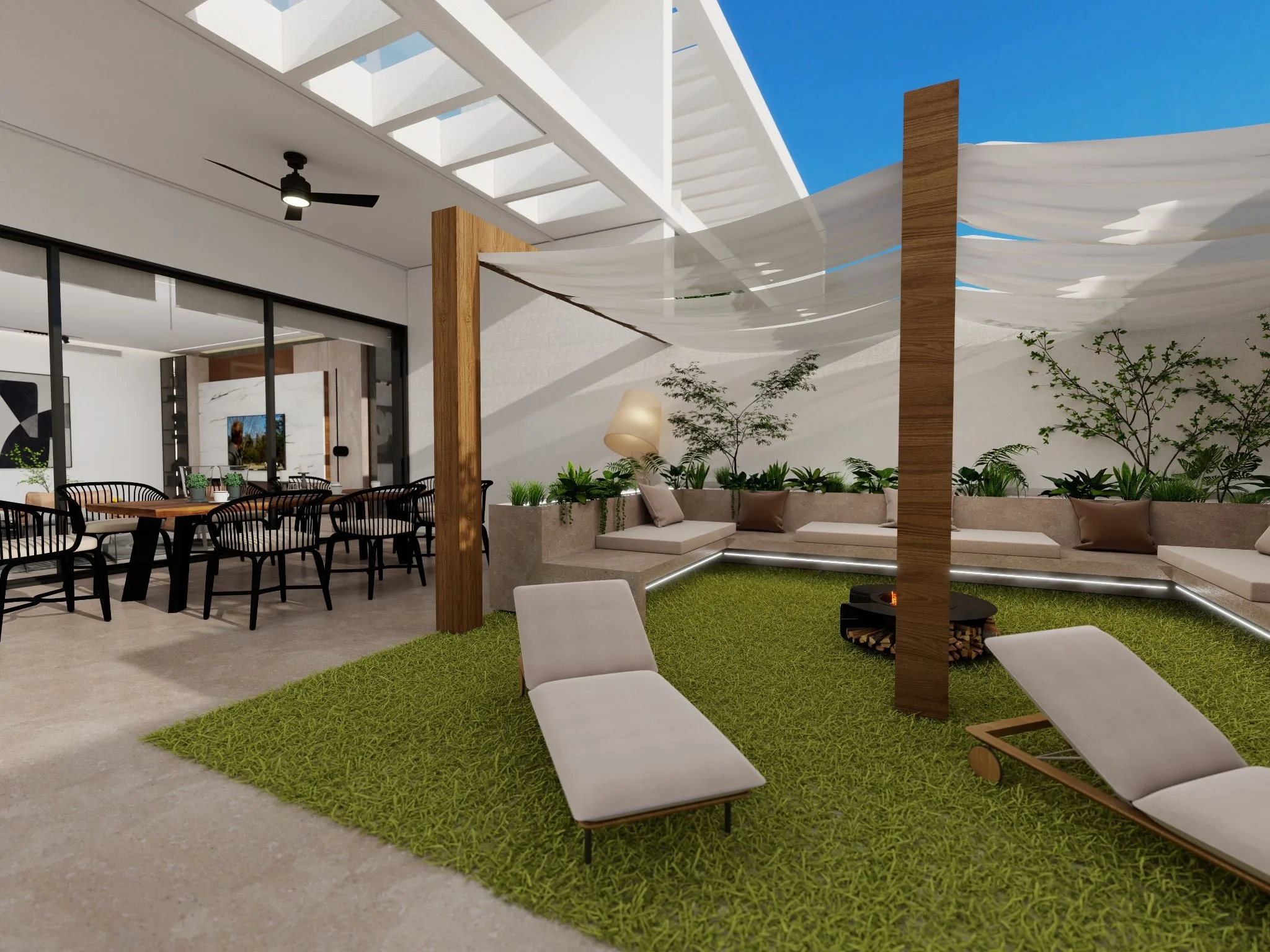
Homeowners often decide to explore a low-maintenance lawn when they grow tired of the mud, the mowing, and the constant watering. This trend is particularly strong in North America, which accounts for about 38% of the global artificial turf market in 2025 per Precedence Research. But as the search begins, it becomes clear that not all turf is created equal. The quotes vary wildly. The product samples feel different. One company talks about “face weight” while another focuses on “infill.” It’s easy to get lost in the details.
Choosing the right lawn is a major home investment, making an informed choice critical. The best approach for selecting artificial turf in Indianapolis isn’t just about finding the greenest sample. It’s about understanding what goes underneath it and what makes one product last 15 years while another fades in five. A framework is needed for comparing options on their actual merits.
This guide provides that framework. It covers the key questions to ask and the specific details to look for, helping buyers see past the sales pitch and focus on the quality of the materials and the installation process. Homeowners can then choose a lawn that fits their home, family, and budget with confidence.
Quick answer: Choosing the best artificial turf requires looking beyond surface appearance. It’s crucial to evaluate product specifications like face weight and backing material and to scrutinize the installer’s base preparation plan. This foundation is more important than the turf itself for ensuring longevity and proper drainage.
What’s inside:
- Why the Base Layer Is the Most Important Decision
- How to Decode Turf Samples and Specs
- What Design Styles Work Best for Artificial Turf?
- What Infill Is Best for Pets, Play, and Indiana Weather?
- Frequently Asked Questions
Why the Base Layer Is the Most Important Decision
The focus should be on the base layer because it controls drainage and prevents sinking over time. A beautiful turf product on a poorly built foundation will fail. The sub-base is the true key to a lawn that lasts.
Indiana’s weather brings heavy spring rains and winter freeze-thaw cycles. An improperly prepared base will trap water. This leads to pooling, mold, and unpleasant odors. Worse, shifting ground can create lumps and low spots in the lawn. A professional installation starts with excavating several inches of existing soil.
A proper base consists of layered, compacted aggregate, like crushed granite. This creates a stable and permeable foundation for the turf. It allows water to drain through efficiently, keeping the surface dry and usable. The depth and type of aggregate are critical for performance.
❝ It’s important to ask an installer for their specific base preparation process. They should detail the depth of excavation and the exact layers of aggregate they use. A vague answer is a major red flag.
How to Decode Turf Samples and Specs
Turf quality can be evaluated by looking at its face weight, pile height, and backing material. These specifications reveal more about durability than the color or feel alone. Instead of choosing the softest sample, it’s best to look at the numbers on the spec sheet.
Think of face weight like the thread count in sheets. It measures the weight of the yarn in a square yard, not including the backing. A higher face weight, typically 60 to 80 ounces, means a denser, more durable product. This is ideal for high-traffic areas. A lower face weight may be fine for ornamental spaces.
The backing is what holds the turf blades in place. Look for a polyurethane backing, not latex. Polyurethane is more stable and resistant to moisture. It won’t expand and contract as much with Indiana’s temperature swings, which prevents the turf from developing wrinkles or separating at the seams. Galleries of artificial turf in Indianapolis show how different turf styles look once installed.
Finally, the pile height should be checked. This is the length of the grass blades. Taller blades look lush but can sometimes flatten in heavy-use areas. A shorter pile height, around 1.5 inches, often proves more resilient for active families and pets. The blades themselves are most often made of polyethylene, which holds about 56% of the market share by material in 2025 according to Precedence Research. It’s about finding the right balance for how the lawn will be used.
What Design Styles Work Best for Artificial Turf?
Artificial turf can fit any aesthetic when treated as a core element of a landscape design. It’s not just a grass replacement; it’s a versatile surface that can define a space, whether the home is a modern new-build or a classic brick Tudor. The key is to match the turf application to the home’s architectural style.
The Modern & Minimalist Yard
For a modern home, turf is used to create clean lines and geometric patterns. It can be thought of as a green carpet that contrasts sharply with other materials. A design might feature a perfect rectangle of green set within a large patio of dark concrete pavers, or turf used in strips between wide pavers to soften a walkway. The goal is precision, not a soft, natural look.
✓ Key Design Choices:
- Use sharp, defined edges with steel or aluminum landscape edging.
- Pair the turf with cool-toned hardscaping like slate, concrete, or dark stone.
- Choose a turf with a shorter pile height for a neat, almost carpet-like appearance.
The Classic & Traditional Lawn
For a traditional home, the goal is to mimic a perfectly manicured natural lawn. Here, the turf should blend seamlessly with its surroundings. It is used to create lush, open spaces bordered by curving flower beds. The installation should hide the edges completely, making it look like a flawless expanse of healthy grass that complements a brick patio or a white picket fence.
✓ Key Design Choices:
- Select a turf product with a higher pile height and varied blade colors for a more realistic look.
- Integrate winding flagstone paths that cut through the turf area.
- Use natural, deep edging for garden beds that allows mulch or plantings to meet the turf.
The Functional Family & Pet Haven
This design prioritizes durability and activity over pure aesthetics. Turf is used to solve problems like muddy patches under a swing set or worn-out grass from pets. The layout is all about creating zones for play and relaxation. A design might include a dedicated, extra-padded area for kids or a specific pet relief area with specialized infill for odor control.
✓ Key Design Choices:
- Install a shock-absorbent pad underneath the turf in designated play areas.
- Use a highly durable turf with a strong, polyurethane-backed system.
- Incorporate a specific pet-friendly infill, like zeolite, to neutralize ammonia odors.
What Infill Is Best for Pets, Play, and Indiana Weather?
Turf infill should be chosen based on how the lawn will be used. The right material improves performance for pets, children, or general aesthetics. Infill is the granular product spread between the turf blades; it is not just sand.
Infill is critical for a lawn’s function. It helps the blades stand upright and gives the lawn its cushioned feel. It also weighs the turf down and protects the backing from UV damage. The wrong infill can lead to a hot, smelly, or flat-looking lawn. Making the right choice is essential for long-term satisfaction.
Comparing Common Turf Infill Options
| Infill Type | Best For | Key Benefit | Considerations |
| Silica Sand | General Use or Low Traffic | Most affordable option | Can compact over time; gets hot. |
| Crumb Rubber | Play Areas or Sports | Excellent cushioning & bounce | Can retain heat; has a distinct odor. |
| Zeolite | Pet Owners | Neutralizes ammonia from pet waste | Higher cost; often mixed with sand. |
| Envirofill | High-End or All-Purpose | Non-absorbent & antimicrobial | Premium price point. |
Infill choice can impact the total project cost and long-term maintenance.
How to Determine the Right Infill
An installer should guide this decision based on the client’s needs and chosen turf product. However, it’s helpful to understand the factors that go into the recommendation.
Step 1: Define the Primary Use. Is the lawn mainly for dogs? A play area for kids? Or is it purely for looks? This immediately narrows the options. A pet lawn absolutely needs an odor-controlling infill. A play area benefits from the bounce of crumb rubber.
Step 2: Consider the Indiana Climate. Some infills, like black crumb rubber, can get very hot in direct summer sun. Lighter-colored sand or specialized cooling infills might be a better fit for areas where people will walk barefoot.
Step 3: Match Infill to the Turf. Every turf product has a manufacturer’s specification for the right type and amount of infill. Using the wrong amount can void the warranty and lead to premature wear.
❝ The rule-of-thumb is one to two pounds of infill per square foot. Installers should always confirm the manufacturer’s exact specification for the chosen turf style.
What Are the Different Types of Infill?
Several terms come up when discussing infill options. Understanding them helps in making a confident choice.
Silica sand is a common, budget-friendly option made of small quartz grains. It’s effective for adding weight and stability. It’s worth asking if the sand is rounded, as sharper, angular sand can feel more abrasive.
Crumb rubber is typically made from recycled tires. It provides excellent shock absorption, making it popular for playgrounds and sports fields. Inquiries should be made about its sourcing and any potential for a rubber odor, especially on hot days.
Zeolite is a natural, volcanic mineral that is a game-changer for pet owners. Its porous, honeycomb-like structure traps and neutralizes the ammonia from pet urine, preventing odors. It’s an essential component for any pet-friendly turf system.
Envirofill is a premium product made of coated, rounded sand. It’s non-absorbent and often includes antimicrobial technology like Microban. This helps prevent bacteria, mold, and odors. It’s a great all-around choice but comes at a higher cost.
Frequently Asked Questions About Artificial Turf Indianapolis
Here are answers to a few common questions that come up when evaluating turf for a home.
Decision FAQs
How long does artificial turf actually last? A professionally installed, high-quality turf system can be expected to last 15 to 20 years. Longevity depends on the product’s UV inhibitors, the quality of the installation, and the amount of foot traffic it receives. The warranty often covers fading and manufacturing defects, so it’s always wise to request a copy.
Will artificial turf increase a home’s value? Yes, it often enhances curb appeal and can be a strong selling point for buyers seeking low-maintenance landscaping. The global artificial turf market is valued at USD 7.31 billion in 2025 per Precedence Research, reflecting its growing acceptance as a valuable home upgrade. While it may not have a dollar-for-dollar ROI like a kitchen remodel, a pristine, evergreen lawn adds significant aesthetic value. It signals a well-maintained property to potential buyers.
Is artificial turf safe for kids and pets? Modern artificial turf is made from non-toxic, lead-free materials, making it very safe for the whole family. It eliminates the need for chemical fertilizers, pesticides, and weed killers required for a natural lawn. For play areas, a foam under-padding can be added for extra fall protection.
Technical & Process FAQs
How is the turf seamed together to look like one piece? Installers use a specialized process to create nearly invisible seams. The edges of two turf rolls are trimmed perfectly straight and laid side-by-side. A wide seam tape is placed underneath the join, and a strong adhesive is applied. The seam is then weighted down to ensure a permanent bond as it cures.
What does the installation process look like from start to finish? A typical project follows a clear, predictable sequence. The crew excavates the old lawn, builds and compacts the aggregate base, rolls out and seams the turf, secures the edges, and finishes by spreading and brushing in the infill. Most residential installations are completed in two to four days.