Tuscaloosa Neighborhoods: How We Choose the Right Fit
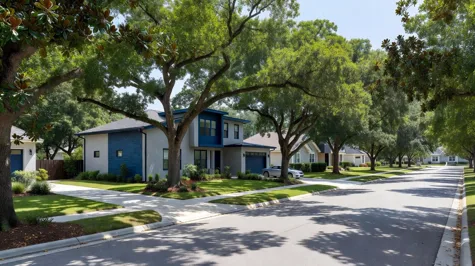
Tuscaloosa neighborhoods aren’t one-size-fits-all, and the right fit depends on the details that shape daily life, like commute time, school preferences, home style, budget, yard size, and how much upkeep you want on your plate. For homeowners, landlords, and property managers, those choices matter even more when we factor in West Alabama heat and humidity, because comfort, insulation, and AC performance can affect both livability and long-term costs.
Some areas work better for families who want more space, while others make sense for people who want a shorter drive or less maintenance. The best choice comes down to how you live, not just where a map says you should be.
Let’s look at the neighborhood factors that help us narrow down the right side of town.
What makes Tuscaloosa neighborhoods feel so different from one another?
Tuscaloosa neighborhoods can look close on a map and still feel completely different in daily life. One area may feel easy and convenient, another quieter and more spread out, while a third feels better suited for renters, students, or families who want less upkeep. When we narrow down the right fit, we usually look past the street names and focus on how people actually live there.
The biggest differences usually come down to a few practical things: how long it takes to get where we need to go, what kind of home we’re buying or renting, and how well that property handles West Alabama heat. Those details shape comfort, cost, and convenience more than people expect.
Location, commute time, and daily convenience
Where a neighborhood sits changes the rhythm of the whole day. A shorter drive to work, school, shopping, or main roads can save real time, especially for busy families who are already juggling pickups, practices, and errands. For landlords, that same convenience can make a property easier to rent and easier to keep occupied.
In Tuscaloosa, proximity matters even more during peak heat. A long commute is one thing, but a long drive home to a house with a weak AC turns into a bigger problem fast. When we compare neighborhoods, we look at how quickly someone can get to the places they use most, because convenience often becomes comfort.
A few practical questions help us separate one area from another:
- How close is the home to daily destinations? Shorter trips to work, school, grocery stores, and medical care usually make life smoother.
- What do the roads feel like at peak times? A neighborhood may be well located on paper, yet still feel slow if traffic patterns are rough.
- Does the location fit the household’s schedule? A family with early mornings and late practices needs different access than someone with a flexible routine.
Neighborhoods with strong access often feel more practical and more settled. Others may offer more space or a quieter setting, but ask for a little more time in the car.
In a hot Tuscaloosa summer, a 10-minute drive can feel minor, until an AC issue turns the whole trip home into a race against rising indoor temperatures.
Home age, layout, and maintenance needs
The type of home changes the neighborhood experience almost as much as the location does. Older houses often bring more character, larger yards, and established streets, but they can also need more frequent HVAC checks, especially if the system has seen years of heavy use. Newer builds usually feel easier to maintain at first, although they can still have airflow or humidity problems if the layout or HVAC design was not set up well.
Townhomes and rental houses often sit in the middle. They may offer less yard work and simpler upkeep, but shared walls, tighter floor plans, or older equipment can change how the space feels day to day. For a landlord, that also means we need to think about repair access, system age, and tenant comfort.
When we look at homes in different Tuscaloosa neighborhoods, we pay attention to:
- System age and service history, because older HVAC equipment usually needs closer attention.
- Floor plan and airflow, since a poor layout can leave one room hot and another too cold.
- Moisture control, because humidity can make a home feel sticky even when the thermostat says the temperature is fine.
A newer home is not always the easiest home. If the ducts, insulation, or vents were handled poorly, the comfort problems show up fast. That is why two houses in the same neighborhood can feel completely different inside.
How West Alabama weather affects comfort at home
West Alabama weather puts every neighborhood to the test. Hot summers, long cooling seasons, and high humidity mean the AC works hard for months at a time. That constant demand makes the local setting part of the comfort equation, not just the house itself.
Shade and tree cover can change how hard a system has to work. A home with mature trees and less direct sun may stay more comfortable than a similar house on an open lot. House orientation matters too, because windows and sun exposure can push indoor temperatures up during the hottest part of the day.
That is where neighborhood layout starts to matter in a practical way. Streets with more shade can help reduce heat gain. Lots with less direct afternoon sun may feel cooler inside. In contrast, homes with large sun-facing exposures often need stronger cooling performance to stay steady through summer.
For homeowners, that can show up in utility bills and comfort levels. For landlords and property managers, it can show up in maintenance calls, tenant complaints, and AC systems that run harder than they should. If a property already struggles with heat and humidity, the neighborhood setting can make those problems feel more obvious.
When we compare Tuscaloosa neighborhoods, we are not just comparing addresses. We are comparing routines, home types, and how well each place handles the climate we live in every day.
Popular Tuscaloosa neighborhoods and what they are known for
When we talk about Tuscaloosa neighborhoods, we’re really talking about different ways of living. Some areas fit students and young professionals, others suit long-time homeowners who want space and quiet, and a few make sense for families who want a simpler daily routine with fewer surprises.
That matters for HVAC, too. A neighborhood with older homes, heavier rental traffic, or long summer sun exposure can put more strain on cooling systems than people expect. We pay attention to those patterns because comfort often starts with the kind of homes a neighborhood has, not just the name on the map.
Downtown and the University area
Downtown and the University area appeal to people who want to be close to the action. The draw is easy to understand, since you get quick access to campus, restaurants, events, and walkable spots that make it easier to get around without spending half the day in the car.
That convenience comes with a different kind of housing mix, though. This part of town often has older housing stock, more rentals, and more turnover, so HVAC systems may get more use and more wear. In homes like these, routine maintenance matters because small issues can turn into bigger comfort problems fast.
Older homes and frequent tenant changes can be hard on cooling equipment, especially during long, humid summers.
For landlords and property managers, this area usually calls for tighter upkeep and quicker response times. For homeowners, it can mean paying close attention to airflow, thermostat performance, and whether the system keeps up during peak heat.
Forest Lake and nearby established neighborhoods
Forest Lake and the surrounding established neighborhoods have a different feel altogether. Mature trees, larger lots, and quieter streets give these areas a more settled residential character, which is part of the appeal for many buyers.
At the same time, older homes can bring older ductwork, aging insulation, or rooms that cool unevenly. That charm is real, but so is the need to keep an eye on comfort problems that hide behind the walls or in the attic. We often see these homes benefit from duct inspections, seasonal tune-ups, and a closer look at insulation and airflow.
A home in an established neighborhood may feel solid and well kept, yet still struggle with hot spots or humidity. When that happens, the fix is usually practical, not dramatic. Small improvements often do more than people think.
Northport and the river-adjacent side of town
Northport has a small-town feel that many people like right away. Family homes, neighborhood streets, and easy access to Tuscaloosa make it a strong fit for people who want convenience without losing that quieter West Alabama pace.
Because Northport is part of our regular service area, we see the same comfort concerns come up again and again. Homeowners here usually want dependable cooling, clean work, and honest repair advice during long summer stretches, especially when the AC starts running harder than it should.
For many Northport homes, comfort comes down to steady maintenance and clear communication. When a system is aging, noisy, or struggling to hold temperature, people want a straight answer, not a sales pitch. That approach matters most in homes where the family depends on one system to handle heat, humidity, and everyday wear.
West Tuscaloosa, residential growth areas, and newer subdivisions
West Tuscaloosa and the newer subdivision areas often attract people who want modern floor plans and a fresh start. These neighborhoods can feel more open and more uniform, with homes that were built around newer expectations for layout and efficiency.
Still, newer does not mean maintenance-free. A home can have a newer HVAC system and still struggle with humidity if the airflow, duct design, or thermostat setup is off. That is why even newer homes sometimes need tune-ups to keep indoor air comfortable during the hottest months.
When we look at these neighborhoods, we focus on practical home comfort, not sales language. A newer subdivision may offer easier upkeep at first, but a system still needs to be checked, cleaned, and adjusted so it can keep up with West Alabama weather.
For quick context, newer neighborhoods often bring a few common advantages:
- More efficient equipment in many homes, which can help lower energy use.
- Modern layouts that usually support easier airflow and simpler room use.
- Less immediate repair pressure, although regular maintenance still matters.
Across these areas, the goal stays the same. We want the home to cool evenly, handle humidity well, and stay dependable when summer settles in for the long haul.
How to match a neighborhood to your lifestyle and budget
The right neighborhood should fit more than a price range. We also need to look at how the area supports our day-to-day routine, how much upkeep the home will need, and whether the property can handle West Alabama weather without draining the budget.
That means we compare the obvious costs, then look at the hidden ones. A lower monthly payment can feel great until the house needs more repairs, the yard takes too much time, or the AC struggles every July.
Best options for families who want space and stability
Families usually want room to spread out, a yard that works for play, and streets that do not feel rushed. We also want practical details like nearby schools, safer traffic patterns, and enough storage so the house feels organized instead of crowded.
Those comforts matter even more when summer heat rolls in. A home with hot bedrooms, weak airflow, or uneven cooling can turn into a daily headache fast, especially when everyone is trying to sleep, get ready, and move through the house on a schedule.
For family buyers, we usually look for:
- Yard space that fits kids, pets, or outdoor time without feeling hard to maintain.
- Storage and layout, so daily life stays easy and clutter does not take over.
- Lower-traffic streets, because calmer roads make pick-ups, bike rides, and walks feel safer.
- School access, since a short commute can save time every single day.
Comfort inside the home matters just as much as the lot size. A larger house still needs balanced cooling, clean ducts, and a system that can keep up when the bedrooms heat up after sunset. A great family neighborhood still feels wrong if half the upstairs never cools properly.
Good fits for students, landlords, and rental investors
Student-heavy areas and rental-friendly neighborhoods work best when demand stays steady and turnover stays manageable. Proximity to campus, easy access to groceries and services, and quick routes to major roads all help keep a rental attractive.
For landlords and investors, that convenience is only part of the picture. We also need to think about maintenance cycles, since frequent tenant changes usually mean more wear, more cleaning, and more HVAC calls. A unit that looks good on paper can still create constant service issues if the cooling system is weak.
Rental comfort often starts with airflow and humidity control. When tenants complain, the first clue is often a room that feels stuffy, damp, or warmer than the thermostat says it should be. Weak airflow and poor moisture control usually show up before a full breakdown does.
That is why it helps to pay attention to the AC before a lease turns into a headache. For more market context on how demand and pricing move in the area, we often compare with local housing data like Tuscaloosa housing market trends. When a property has strong access and dependable cooling, it tends to stay easier to rent and easier to manage.
Neighborhoods that may look affordable but need more upkeep
Some neighborhoods catch our attention because the purchase price is lower. That can be a smart move, but only if we understand what comes with the savings. Older homes, aging systems, and worn insulation can turn a “good deal” into a steady repair budget.
The biggest issue is that repair costs do not always show up right away. An older house may need duct sealing, insulation improvements, or repeated AC service before it ever feels fully comfortable. What looks affordable at closing can become expensive once summer heat starts stressing the system.
Common issues we watch for include:
- Older HVAC equipment that breaks down more often during peak cooling season.
- Poor insulation, which lets hot attic air creep into living spaces.
- Leaky ducts, which waste cooled air before it reaches the rooms that need it.
- Repeated AC failures, which often point to bigger system wear, not just bad luck.
These homes are not automatically bad choices. They just need a sharper eye and a realistic budget. If a neighborhood offers a lower entry price, we ask what the house will need over the next few years, not just what it costs today. In the heat we deal with here, that question matters as much as the mortgage payment.
What to check before we buy or rent in Tuscaloosa
Before we sign a lease or make an offer, we look beyond the paint color and the floor plan. In Tuscaloosa, comfort can change fast when the AC is undersized, the ducts leak, or the house traps humidity.
That means we need to check how the property handles heat, airflow, and moisture, not just how it looks on move-in day. A home that feels fine in spring can feel very different once July arrives.
Look at the AC unit, ductwork, and thermostat
The first stop is the HVAC system itself. We want to know how old the AC unit is, when it was last serviced, and whether the filter gets changed on a regular schedule.
We also want to ask if the thermostat actually matches the room temperature and responds the way it should. If the system keeps missing the set point, short cycles, or never seems to shut off, that usually means something bigger is going on.
We also pay attention to the signs that show up in daily use. Weak airflow, loud noises, uneven cooling, and frequent cycling all point to problems that can grow if we ignore them.
A quick check helps us avoid surprises later:
- Age and service history tell us whether the system has been maintained or just patched.
- Filter changes show whether airflow has been protected or neglected.
- Duct condition matters because leaky or dirty ducts waste cooled air.
- Thermostat function matters because even a good AC struggles with a bad control setup.
If we hear grinding, squealing, banging, or buzzing, we should treat that as a warning, not background noise. In a Tuscaloosa summer, a small HVAC issue can turn into a daily comfort problem fast.
Ask about insulation, windows, and humidity control
A strong HVAC system works better when the house helps it do its job. Good insulation, decent windows, and proper humidity control all reduce the load on the AC, which can lower utility bills and help the home feel more even from room to room.
Poor insulation lets hot air creep in. Older or leaky windows do the same thing, especially on sunny afternoons. As a result, the system has to run longer just to keep up.
Humidity matters just as much in our climate. When a house holds moisture, the air feels sticky even if the thermostat says the temperature is fine. That can make people think the AC is failing when the real problem is the home itself.
We usually ask a few plain questions:
- Does the house stay comfortable without the AC running nonstop?
- Are the windows single-pane, drafty, or hard to seal?
- Does the home feel damp, especially in bathrooms, closets, or upstairs rooms?
A house can have a solid AC and still feel uncomfortable if the insulation and windows are working against it.
For buyers and renters, this matters because comfort and cost go hand in hand. A home that holds temperature well is easier to live in and easier to afford month after month.
Check for signs of past moisture or air quality problems
Moisture leaves clues, and we should look for them before we commit. Musty odors, water stains, peeling paint, warped baseboards, and visible humidity all suggest the home has had moisture trouble at some point.
Poor ventilation is another red flag. If bathrooms, laundry areas, or kitchens feel stale or damp, the house may not be moving air the way it should. That can affect comfort now and create bigger repair issues later.
Indoor air quality matters for families, pets, and anyone sensitive to dust or allergens. If the system is dirty, the ducts are neglected, or the home has poor airflow, people feel it quickly.
We can keep the check simple:
- Look for stains on ceilings and around vents, since those can point to old leaks or condensation.
- Smell for mustiness, especially in closets, crawl spaces, and near returns.
- Check for lingering humidity, because sticky air often signals weak ventilation.
- Notice dust buildup, which can hint at poor filtration or duct issues.
If a property already has moisture history, we want to know what was fixed and whether the source was actually solved. A fresh coat of paint can hide a lot, but it won’t fix a system that keeps bringing humidity back inside.
How local HVAC needs can vary by neighborhood
Different Tuscaloosa neighborhoods ask different things from an HVAC system. A house with older ductwork, a newer subdivision with tight insulation, and a rental near campus can all need a different maintenance plan, even if they sit a few miles apart.
That is why we look at neighborhood patterns, not just square footage or home style. The local climate stays the same, but the wear on each system does not. Age, layout, traffic in and out of the home, and how much sun the property takes all change how hard the equipment has to work.
Older homes may need more frequent system checks
Older homes often need a closer eye because parts wear out, ductwork leaks, and past repairs can leave behind weak spots. We see this a lot in established areas where the house has character, but the HVAC system has also had years of heavy use.
When we service an older home, we pay attention to the basics first:
- Worn parts can make the system noisier, less efficient, or more likely to fail during peak heat.
- Outdated equipment may cool unevenly or struggle to keep up on the hottest afternoons.
- Leaky ducts can waste cooled air before it reaches the rooms that need it.
Even small issues matter more in West Alabama summer weather. A system that seems “good enough” in spring can fall apart when it runs all day in July. Regular maintenance helps us catch those problems early, before they turn into a bigger breakdown during the hottest weeks of the year.
Older homes do not always need major repairs, but they do benefit from more frequent checks and faster attention to warning signs.
A local inspection from AC direct guidance for homes with large windows lines up with what we see in the field, older homes and high-load rooms need steady maintenance to stay comfortable.
Newer homes still need tune-ups to stay efficient
A newer home can still waste energy if airflow is blocked, filters are dirty, or the thermostat is not set up the right way. We sometimes see brand-new systems underperform because something simple is off, not because the equipment itself is bad.
That is where routine service pays off. Clean filters, open vents, and a properly calibrated thermostat help the system run the way it should, which keeps utility bills more predictable and reduces strain on the unit.
We usually check for a few common issues:
- Blocked airflow, especially from furniture, closed vents, or dirty returns.
- Dirty filters, which make the system work harder than necessary.
- Thermostat problems, which can throw off comfort in the whole house.
New construction also deserves a careful look at duct design and room balance. A house can be modern and still have a hot upstairs or a room that never quite cools down. Good maintenance keeps those small comfort gaps from turning into ongoing complaints.
Why emergency service matters in peak summer heat
When cooling fails in West Alabama, waiting around is not comfortable for long, and it can become unsafe fast. Heat builds up inside a home quickly, especially when humidity is high and the AC is completely out.
Fast help protects more than comfort. It can help prevent food spoilage, moisture problems, and unnecessary stress on the household, especially for children, older adults, and anyone sensitive to heat.
That is why emergency service matters across all Tuscaloosa neighborhoods, from older homes with aging systems to newer houses that suddenly lose cooling. When we respond quickly, we get the home back to a livable temperature sooner and stop small problems from spreading.
For property owners, that speed also protects the building itself. A unit that keeps running while failing can cause bigger damage, while a timely repair can save the system, the home, and everyone inside it.
A simple way to narrow your Tuscaloosa neighborhood shortlist
Once we have a few neighborhoods on the table, the fastest way to narrow the list is to compare how each one will feel after move-in day. Price matters, but comfort, monthly cost, and upkeep usually tell the fuller story.
That means we look at more than the asking price or rent. We compare what the home will cost to live in, how much work it will need, and whether it can handle long, hot summers without turning into a drain on the budget.
Compare your top picks by comfort, cost, and upkeep
A low purchase price can look great until the utility bills start climbing. In Tuscaloosa, a home that cools poorly, leaks air, or fights humidity can cost more every month than a slightly higher-priced place with better systems and better insulation.
We get better answers when we compare the homes side by side:
| What to compare | Why it matters |
| Monthly utility bills | Poor cooling efficiency shows up fast in summer |
| Repair risk | Older systems and worn parts often need more service |
| Future maintenance | Ductwork, filters, insulation, and routine tune-ups add up |
| Comfort level | Uneven cooling or sticky air changes daily life |
| Total monthly cost | The cheapest property upfront is not always the cheapest to own |
That kind of comparison helps us see the real cost of living there. A house with steady airflow, a healthy AC system, and lower repair pressure often makes more sense than a bargain property that needs constant attention.
We also want to think about long summer cooling costs, since that is where many budgets get squeezed. A home that runs the AC all day because of poor insulation or duct loss can quietly cost more than expected, month after month.
For a broader look at local housing conditions, Tuscaloosa housing market trends can help us keep pricing in context. Still, the best neighborhood shortlist usually comes from pairing market data with what the home will actually cost to live in.
Visit at different times of day before deciding
A neighborhood can feel calm at 9 a.m. and completely different by 5 p.m. Traffic builds, noise changes, and shade patterns shift as the sun moves across the property. A street that feels breezy in the morning may feel much hotter and less comfortable by late afternoon.
We should also pay attention to how the home handles sun exposure. One side of the house may stay shaded for part of the day, while another side takes direct afternoon heat. That difference matters because a house that feels fine at noon can feel much warmer once the heat peaks.
Before we rule a place in or out, it helps to check it more than once:
- Morning visits show school traffic, commute patterns, and early noise.
- Afternoon visits reveal sun exposure, heat buildup, and peak cooling demand.
- Evening visits show how the neighborhood feels after work and whether it stays busy or quiet.
That extra visit time often changes the decision. A home may look great on paper, but if the driveway bakes in the sun and the living room gets hot every afternoon, we need to weigh that against the rest of the shortlist.
Bring in a trusted local pro before closing
Before we close on a home, rent a property, or hand over keys to tenants, a professional HVAC inspection can save us from expensive surprises. That matters for buyers, landlords, and property managers alike, because small issues inside the system are easy to miss during a walk-through.
A local technician can check the AC unit, ductwork, thermostat, airflow, and signs of wear that might not show up right away. That outside set of eyes can catch weak cooling, hidden moisture problems, or repairs that may be coming soon.
That kind of inspection is especially useful in Tuscaloosa neighborhoods where older homes, long cooling seasons, and heavy summer use put extra stress on equipment. For Northport, Tuscaloosa, Coker, Samantha, and nearby West Alabama areas, that step gives us a clearer picture before we commit.
A professional check is especially smart when we want to confirm:
- Whether the system is sized and running properly
- If ductwork is leaking or dirty
- Whether the home has humidity or airflow issues
- If repair needs are small now or about to grow
If a neighborhood looks right but the HVAC system is struggling, we need to factor that into the decision immediately. The right location still has to feel good in July, not just during a quick afternoon showing.
A careful inspection also gives landlords and property managers a cleaner starting point. When we know the system’s condition before move-in, we can budget more accurately, plan maintenance better, and avoid preventable service calls after the fact.
Conclusion
The best choice among Tuscaloosa neighborhoods comes down to how we live, what we can afford, and how much day-to-day comfort we want to protect over time. A great location still has to work in August, handle humidity well, and fit the house style, upkeep level, and routine we actually have.
When a neighborhood fits our lifestyle and the home stays comfortable, the decision gets a lot easier. That usually means looking past the address and paying attention to the practical details that affect every month, not just move-in day.
If we want a closer look at a property before we commit, contact Northport HVAC for professional inspections, seasonal maintenance, indoor air quality checks, or emergency AC and heating repairs throughout Tuscaloosa, Northport, Coker, Samantha, and the surrounding West Alabama area.