The Complete Guide to Choosing the Best Fire Extinguisher for You
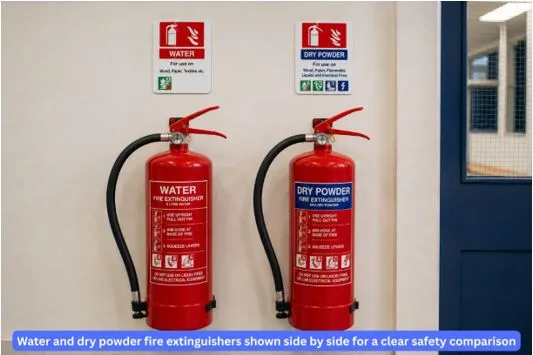
Why can’t one red cylinder handle every type of fire safely
Fire extinguishers tend to blend into the background until smoke appears. Then, that quiet red cylinder becomes the most important tool in the room. The trouble is, not every extinguisher works on every fire. We must match the extinguishing agent with the fuel that is burning. Water can cool wood, paper, cloth, and other solid materials with great effect. Dry powder can deal with a wider range of fire types, including some liquid and gas fires. Yet powder also creates dust, blocks sight, and may harm nearby equipment. Water leaves less residue, but using it near live power can cause severe injury. This is why a sensible buying process should be guided by a wide selection here alongside a clear review of the risks within each area. The safest option is not always the one with the broadest label. It is the one that suits the fire, room, users, and escape route.
We wrote this guide because extinguisher labels can feel confusing at first. We will explain how water and dry powder models work in plain terms. We will also cover fire classes, room conditions, clean-up needs, and electrical hazards. Most importantly, we will show you how to compare both types before you buy. Let’s be honest, nobody wants to study fire science during an emergency. Good planning removes that pressure before flames ever appear. It helps staff choose the right unit without wasting key seconds. It can also lower the risk of spreading burning oil or spraying water onto live equipment. You will learn where each extinguisher fits, where it does not, and why placement matters. You will also get simple checks for size, signs, service, and staff training. By the end, you should feel ready to review your current fire cover with more care and far less guesswork.
What water extinguishers handle and when they work best
Water fire extinguishers are mainly used on Class A fires. These fires involve solid materials such as wood, paper, cardboard, and cloth. Water removes heat from the burning fuel and cools it below the ignition level. That helps stop the flames and lowers the chance of them returning. The spray can also soak deeper parts of the burning material. This matters when fire hides inside stacked paper, wood, or soft goods. Water models are common in offices, schools, shops, halls, and stock rooms.
According to the U.S. Fire Administration, Class A extinguishers are designed for common materials such as cloth, wood, and paper. Its guidance explains that five main extinguisher classes cover different fuel types. Class B covers flammable liquids, while Class C applies to live electrical equipment. The agency also says users should choose the largest certified extinguisher they can safely handle.
- Use water for wood, paper, cloth, and cardboard fires.
- Keep it away from fuel, paint, oil, and cooking fat.
- Never spray it onto live electrical items.
- Aim at the fire’s base and move the jet slowly.
- Leave at once if flames grow or block your exit.
Water works best where ordinary solid materials create the main hazard. It should never be treated as an all-purpose choice.
Why does dry powder work widely, but may not suit each room
Dry powder extinguishers are often marked for Class A, B, and C fires. This means they can tackle solid materials, burning liquids, and flammable gases. They may also be used around live electrical equipment. The powder interrupts the chemical reaction that keeps the fire alive. Flames can fall very fast once the powder reaches its base. This makes dry powder useful in workshops, garages, yards, plant rooms, and vehicles. It can also suit sites where several fire risks exist close together.
Recent guidance from the National Fire Protection Association explains that multipurpose dry chemical extinguishers can carry an A, B, and C rating. This rating means they may be used on ordinary solids, flammable liquids, and energized electrical equipment. The NFPA also explains that water extinguishers are meant for Class A risks and must not be used on electrical fires. Choosing a fire class helps prevent the wrong agent from spreading flames or creating another danger.
- Powder can cover several common fire classes.
- It works near live electrical equipment.
- Dust may make breathing and sight more difficult.
- Residue can harm delicate tools and controls.
- Indoor use may create extra risk in tight spaces.
Dry powder is flexible, but that does not make it perfect everywhere. The room and its users matter just as much as the fire rating.
How to compare both extinguishers before making a choice
Choosing between water and dry powder starts with a basic fire risk check. You should inspect each room instead of using one rule for the whole site. A paper store has different needs from a workshop with fuel and power tools. Room size, airflow, escape routes, and nearby equipment also affect the decision. You might need water in one area and powder in another. That mixed approach often gives safer and more practical cover.
- Check what could burn
List the goods, tools, and materials kept in the space. Paper, cloth, and wood point toward water. Fuel, gas, or mixed risks may call for powder.
- Look for live power
Check for sockets, machines, wires, and control panels. Water should not be used while electrical items remain live. Powder may provide a safer first-response cover in that setting.
- Study the room
Think about the room size and how people will leave. Powder can cloud a small area very quickly. Water usually keeps sight clearer during use.
- Plan for damage
Water can soak files, furniture, and stored goods. Powder can enter machines and fine parts. Choose the option that controls fire without adding avoidable harm.
A clear risk review makes the choice far easier. Guesswork may save minutes now, but it can cost far more later.
What to check when buying, placing, and caring for each unit
The fire type should guide your choice, but the buying process does not end there. You must also check the extinguisher’s size, rating, weight, and operating method. A small unit may be emptied before the fire is controlled. A very heavy model may be hard for some staff to carry. Clear signs should mark each location, even when furniture or doors shift. The unit should be easy to reach without walking toward the flames. It should also sit close to a safe escape path.
Routine checks help make sure the extinguisher works when needed. Look for damage, low pressure, broken seals, blocked nozzles, or signs of rust. Arrange formal service at the required time and record each visit. Powder can settle inside a cylinder over long periods, while water units can leak or corrode. Your basic care plan should include:
- Check the pressure gauge and safety seal.
- Keep access clear at all times.
- Use signs that remain easy to see.
- Arrange service through a trained person.
- Replace or refill every discharged unit.
Training matters too. Staff should know how to raise the alarm, use the extinguisher, and leave safely. A person should only tackle a small, contained fire when smoke is limited and a clear exit remains available. Fighting a fire is never more important than getting out alive.
Make your final decision before an emergency makes it for you
Water and dry powder extinguishers solve different fire safety needs. Water gives clean and strong control over many Class A fires. Dry powder covers more fire classes and works near live electrical items. Yet powder can reduce sight, affect breathing, and leave hard-to-clean residue. The right choice comes from matching the unit with the actual risk.
We recommend reviewing every room instead of buying one type for the whole building. Check the likely fuel, nearby power, room size, escape route, and clean-up impact. Make sure each extinguisher is clearly marked, easy to reach, and properly serviced. Train users to act quickly, but remind them that escape always comes first. Review your fire safety plan today, correct any weak spots, and choose extinguishers that people can use safely when each second matters.