Sustainability Architecture: Simple Ways Buildings Can Reduce Environmental Impact
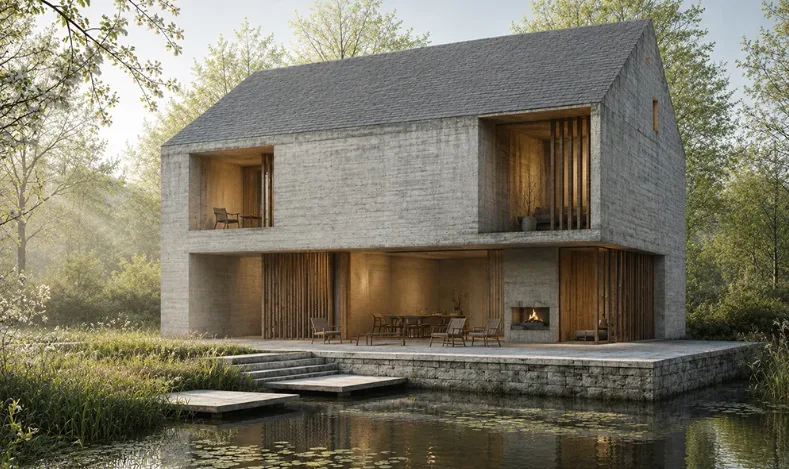
Buildings shape the way we live, work, and interact with the world. However, they also use large amounts of energy, water, and raw materials. Because of this, architects and builders are looking for better ways to design spaces that are kinder to the environment.
Today, sustainability architecture focuses on creating buildings that use fewer resources while providing healthy, comfortable places for people. Instead of thinking only about how a building looks, this approach also considers how it performs throughout its entire life.
In this guide, you’ll learn what sustainability architecture is, why it matters, and the simple design choices that help reduce environmental impact.
What Is Sustainability Architecture?
Sustainability architecture is a way of designing buildings that protects natural resources and reduces harm to the environment. The goal is to create spaces that use less energy, produce less waste, and last for many years.
Instead of depending heavily on heating, cooling, and artificial lighting, sustainable buildings make better use of sunlight, fresh air, and smart building design. As a result, they are often more comfortable and less expensive to operate.
This approach also looks beyond construction. It considers every stage of a building’s life, from selecting materials to maintenance, renovations, and even future recycling.
Why Sustainable Building Design Matters
Buildings have a major impact on the environment. They require energy for heating, cooling, lighting, and daily use. In addition, construction creates waste and carbon emissions.
Choosing sustainable design offers several long-term benefits, including:
- Lower energy use
- Reduced carbon emissions
- Less construction waste
- Better indoor air quality
- Lower running costs over time
Because of these advantages, sustainable design is becoming more common in homes, offices, schools, and public buildings around the world.
Using Natural Light and Fresh Air
One of the simplest ways to reduce energy use is to work with nature instead of against it.
For example, architects carefully position buildings to capture sunlight during cooler months while limiting excess heat during summer. Large windows, roof overhangs, and shaded outdoor areas all help create comfortable indoor temperatures.
Natural ventilation is also important. Fresh air can move through a building using well-placed windows and vents. Therefore, people often need less air conditioning while still enjoying a comfortable indoor environment.
This type of planning lowers energy use and creates healthier living spaces.
Better Insulation Makes a Big Difference
Many buildings lose heat through walls, roofs, floors, and windows. As a result, heating systems work harder during winter, while cooling systems work longer during summer.
Good insulation helps solve this problem.
Modern insulation keeps indoor temperatures more stable throughout the year. Consequently, buildings need less energy to stay comfortable.
High-quality windows, well-sealed doors, and airtight construction also prevent unwanted air leaks. Together, these features improve energy efficiency without affecting comfort.
Choosing Sustainable Building Materials
The materials used during construction also affect the environment.
Some building products require large amounts of energy to produce. Others create pollution during manufacturing or travel long distances before reaching a building site.
Sustainable architecture encourages smarter material choices such as:
- Reclaimed wood
- Recycled steel
- Natural stone
- Bamboo
- Cork
- Recycled concrete
- Low-carbon concrete
Whenever possible, locally sourced materials are preferred. This reduces transportation emissions while supporting local businesses.
In addition, selecting durable materials means buildings require fewer repairs and replacements over time.
Reducing Carbon Throughout a Building’s Life
Carbon emissions are not created only after a building is finished. They also come from manufacturing materials, transporting supplies, and construction work.
For this reason, architects now look at a building’s complete life cycle.
They try to reduce emissions by:
- Using fewer materials where possible
- Selecting low-carbon products
- Improving energy efficiency
- Designing buildings that last longer
- Making future repairs easier
As a result, the total environmental impact becomes much lower over several decades.
Saving Energy with Smart Design
Technology can also help buildings use less energy.
Many modern buildings include smart systems that automatically control lighting, heating, and cooling. Instead of running continuously, these systems adjust according to weather conditions or room occupancy.
Some buildings also generate their own electricity through renewable energy sources like solar panels.
Common energy-saving features include:
- LED lighting
- Smart thermostats
- Solar panels
- Heat recovery ventilation
- Energy-efficient appliances
- Motion sensor lighting
Although these systems require an initial investment, they often reduce energy bills for many years.
Water Conservation Is Part of Sustainability
Saving water is another important part of sustainable design.
Fresh water is becoming more valuable in many parts of the world. Therefore, reducing water waste helps both homeowners and the environment.
Many sustainable buildings include water-saving features such as low-flow taps, efficient toilets, rainwater collection systems, and drought-resistant landscaping.
Some larger buildings even recycle greywater from sinks and showers for garden irrigation or toilet flushing.
These simple changes reduce water consumption without affecting everyday comfort.
Adding Green Spaces to Buildings
Plants do much more than improve appearance.
Green roofs, rooftop gardens, indoor plants, and living walls all provide environmental benefits. For example, they help cool buildings during hot weather while improving air quality.
Trees and gardens also support birds, insects, and other wildlife. In busy cities, these green spaces reduce the heat created by roads and buildings.
Furthermore, people often feel calmer and healthier when surrounded by natural environments.
Because of these benefits, many architects include green spaces as part of their overall design strategy.
Designing Buildings That Last
One important goal of sustainability architecture is creating buildings that remain useful for many decades.
Instead of designing structures that quickly become outdated, architects focus on flexibility and durability.
For example, rooms can be designed so they are easy to change as family or business needs grow. Strong materials also reduce repair costs over time.
When buildings last longer, fewer new materials are needed. Consequently, less waste ends up in landfills.
Challenges of Sustainable Architecture
Although sustainable design offers many advantages, there are still some challenges.
Some environmentally friendly materials cost more at the beginning. In addition, certain energy-efficient systems require skilled installation.
However, these extra costs are often balanced by lower maintenance expenses and reduced energy bills over the building’s lifetime.
As technology continues to improve, sustainable construction is becoming more affordable for homeowners and businesses alike.
The Future of Sustainable Buildings
The future of construction is moving toward smarter, cleaner, and more efficient buildings.
New building materials continue to reduce carbon emissions. Renewable energy systems are becoming more affordable. At the same time, smart technology makes it easier to manage energy use every day.
Governments, businesses, and homeowners are also placing greater value on environmentally responsible construction. Because of this growing awareness, sustainable design will likely become the standard rather than the exception.
Every new project presents an opportunity to build in a way that protects both people and the planet.
Final Thoughts
The way we design buildings has a lasting effect on the environment. Every decision, from choosing materials to improving insulation, can reduce energy use and lower carbon emissions.
By following the principles of sustainability architecture, architects create buildings that are healthier, more efficient, and built to last. These designs not only protect natural resources but also improve comfort and reduce long-term operating costs.
As sustainable building methods continue to evolve, they will play an even greater role in creating communities that are cleaner, stronger, and better prepared for the future.