Can an AI Avatar Generator Replace Your On-Camera Presence?
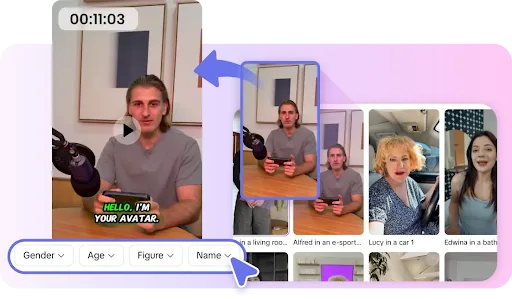
Plenty of people have a message worth sharing but freeze the moment a camera turns on. Others simply lack the time to film, relight, and reshoot every time a script changes. That tension has made digital presenters one of the most talked-about tools in content creation, and it raises a genuine question: can a synthetic presenter really stand in for you on screen? The honest answer is nuanced. In some situations a generated presenter performs better than a nervous or rushed shoot, while in others nothing replaces a real human connection. This article works through that question carefully, looking at what these tools do well, where they fall short, and how to decide when a digital face serves your goals. Rather than hype or dismissal, the aim is a clear-eyed look at where the technology fits into real content workflows and where you should still step in front of the lens yourself.
What a Digital Presenter Actually Delivers
A synthetic presenter turns a written script into a video of a lifelike person speaking your words, complete with natural expressions and lip movement. The immediate appeal is obvious: no studio, no reshoots, and no scheduling around anyone’s availability. When you build videos with an ai avatar generator, editing a line no longer means filming an entire scene again; you change the text and regenerate. This makes the tool especially strong for content that updates often, such as product explainers, training modules, and multilingual versions of the same message. The consistency is another quiet strength, since the presenter never has an off day, never fumbles a line, and always hits the same tone. For high-volume, information-driven video, that reliability solves a real production headache that has slowed teams for years.
Where It Genuinely Shines
Certain use cases suit a digital presenter almost perfectly. Corporate training that must be updated whenever a policy changes benefits enormously, because you edit text rather than rebooking a shoot. Localized content is another natural fit, since one script can become presentations in several languages without hiring a presenter for each. Explainer videos, onboarding sequences, and internal announcements all share a common trait: the information matters more than the personality delivering it. In these contexts the audience wants clarity and accuracy, and a consistent synthetic presenter delivers exactly that. The speed advantage compounds too, letting a small team produce a library of videos that would have taken weeks to film, freeing budget and attention for the work that truly needs a human touch.
Where the Human Still Wins
For all its strengths, a generated presenter cannot replicate everything. Authentic emotional connection, the kind that builds a personal brand or earns deep trust, still flows more naturally from a real person the audience can relate to. Spontaneity is another gap; the unscripted laugh, the genuine reaction, and the improvised aside are hard to manufacture and often the moments viewers remember most. Content built on the creator’s own identity, such as a personal channel or a founder’s story, loses something essential when the face on screen is synthetic. Audiences are also growing more perceptive, and in contexts where they expect a real human, a digital stand-in can feel impersonal if it is not disclosed and used thoughtfully. Knowing these limits is what keeps the tool an asset rather than a liability.
The Trust Question
Trust is the deciding factor in many of these choices. When your goal is to inform, a clear and consistent presenter earns trust through reliability and accuracy. When your goal is to build a relationship, trust depends on authenticity, and that is where a real human presence carries weight a synthetic one cannot. The practical guidance is to be transparent about how a video is made when it matters to the audience, and to reserve digital presenters for content where the message, not the messenger, is the point. Used this way, the technology enhances your output without eroding the credibility you have worked to build. Misused, by pretending a synthetic face is real in an intimate context, it risks the very trust you are trying to grow.
Deciding When to Use One
The smartest approach treats a digital presenter as one option among several rather than an all-or-nothing replacement. Ask what each specific video needs to accomplish and who it is for. If the answer centers on delivering clear information at scale, updating content frequently, or reaching audiences in multiple languages, a synthetic presenter is likely the efficient choice. If the answer centers on personal connection, storytelling built around your own identity, or moments that depend on genuine spontaneity, stepping in front of the camera yourself remains the better call. Many creators land on a hybrid, using generated presenters for routine informational content and their own face for the pieces that define their brand. Platforms such as Pippit AI make that blend practical by handling the routine videos quickly, leaving you time and energy for the ones that truly need you.
Finding the Right Balance for Your Content
So can a digital presenter replace your on-camera presence? For a meaningful share of content, especially informational, frequently updated, or multilingual video, the answer is a confident yes, and the time and consistency it saves are real. For content built on personal connection, spontaneity, and your own identity, the human presence still wins, and no synthetic face fully substitutes for it. The most effective creators do not choose one path forever; they match the tool to the job, using generated presenters where efficiency matters and appearing themselves where authenticity does. Approached this way, the technology becomes a way to do more of the work that needs a human by taking the routine off your plate. The question is not whether to replace yourself, but where your genuine presence adds value and where a reliable stand-in serves your audience just as well.