From Sideline Cracks to Full Recovery: Your Guide to Restorative and Emergency Care in Seabrook
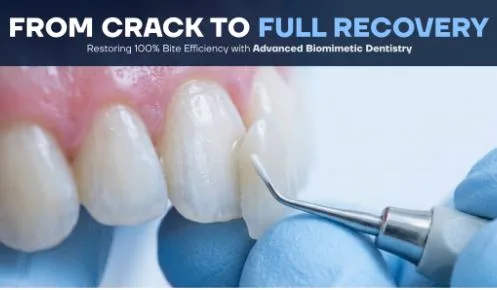
Experiencing an unexpected oral injury, a fractured bicuspid during a weekend sports match, or a severe throbbing toothache that keeps you awake all night can be an incredibly disorienting and stressful experience. For local workers, busy parents, and active individuals managing demanding schedules, a sudden dental crisis demands both immediate physiological stabilization and a reliable path toward long-term structural recovery. When a dental emergency strikes, the immediate priority is to eliminate acute pain and protect the vulnerable tooth structure from further bacterial contamination or physical degradation. However, comprehensive oral healthcare does not simply stop once the immediate crisis has been resolved in the triage chair. Finding an experienced, highly equipped dentist in Seabrook NH provides patients with a positive, seamlessly integrated approach to managing both their immediate urgent needs and their subsequent cosmetic smile reconstructions. By bridging the critical gap between emergency stabilization and advanced biomimetic restorations, individuals can effortlessly transition from a traumatic field injury to a beautiful, fully functional smile that looks completely natural and delivers maximum durability for a lifetime.
The secret to navigating a sudden oral crisis relies on understanding the two-stage architecture of modern emergency dentistry: immediate triage containment and permanent structural rehabilitation. When an unexpected trauma occurs, reacting with calm, procedural efficiency during the opening sixty minutes can easily mean the difference between saving a natural tooth root or being forced to undergo an early extraction. Once the immediate structural damage is stabilized, advanced cosmetic materials allow clinicians to completely rebuild your missing enamel walls, restoring absolute biting power and pristine aesthetic symmetry to your smile.
The immediate response protocol for common dental emergencies
To minimize the long-term biological impact of a sudden oral injury, it is necessary to examine the exact field protocols required for common emergency scenarios. The most time-sensitive crisis in all of dental medicine is a completely avulsed, or knocked-out, natural tooth. When a tooth is entirely displaced from its socket due to a hard physical impact, the microscopic periodontal ligament fibers attached to the root structure begin to die rapidly.
To maximize the chances of successful replantation, the injured individual or a responder must locate the tooth immediately, handling it strictly by the visible crown while avoiding any direct contact with the delicate root tissue. The tooth should be gently rinsed with clean water if it is covered in surface debris, but it must never be scrubbed, scraped, or wrapped in dry tissue, as this will instantly destroy the living ligament cells. If possible, the tooth should be gently inserted back into its original socket on the field; alternatively, it must be stored in a small container of fresh milk or a specialized cellular preservation solution and brought to a clinical facility within thirty to sixty minutes.
Severe, unmanageable toothaches and broken dental crowns represent an entirely different category of urgent care that points to deep internal structural compromise. A sudden, sharp pain that throbs continuously usually indicates that bacterial decay has successfully breached the protective outer enamel and dentin layers, invading the highly vascular internal dental pulp chamber.
In this scenario, or when an old restorative cap breaks away under normal chewing pressure, the internal nerve fibers are left entirely exposed to thermal fluctuations and oral bacteria. While over-the-counter pain relievers and cold compresses applied to the cheek can help dull the immediate nerve inflammation, these are temporary measures. Immediate clinical intervention is required to clean out the compromised internal tissue, seal the root canals, and place a protective provisional covering to stop progressive bacterial micro-leakage.
Bridging the gap: From emergency stabilization to permanent aesthetics
Once the immediate clinical team has successfully eliminated your acute pain, drained any localized infection, and stabilized the remaining physical tooth boundaries, the secondary phase of advanced structural reconstruction begins. Emergency stabilization is designed to save your biological assets, but long-term restorative protocols are required to return your bite to 100% of its original mechanical efficiency and aesthetic brilliance.
Modern cosmetic dental materials have evolved far beyond the dark, unyielding metals of the past. Today, structural restoration utilizes advanced biomimetic materials that mimic the exact physical density, light translucency, and thermal expansion behavior of natural human enamel. For minor chips, structural cracks, or localized decay caused by an emergency event, tooth-colored composite bonding provides an exceptional, conservative solution.
The dentist applies a specialized, flexible lifelike resin directly to the prepared enamel, carefully sculpting the material to match the natural contours of your tooth before curing it with a high-intensity light. This material fuses seamlessly with your natural tooth matrix, restoring complete structural continuity in a single appointment.
For more extensive aesthetic damage across the visible smile zone, such as multiple fractured or heavily discolored teeth resulting from an accident, custom porcelain veneers offer a comprehensive smile makeover solution. These ultra-thin, custom-engineered ceramic shells are permanently bonded to the front faces of the teeth, instantly camouflaging deep structural flaws, closing gaps, and aligning minor surface rotations. Because dental porcelain reflects light with the exact same multi-dimensional depth as natural tooth enamel, the final restorations look completely authentic, giving patients an immediate return to uncompromised personal and professional confidence.
The permanent solution for tooth loss: Advanced dental implants
In cases where a traumatic impact has fractured a tooth root beyond the point of medical repair, or where a severe infection requires a full extraction, advanced dental implants stand as the absolute gold standard for permanent tooth replacement. Living with a missing tooth is not merely an aesthetic concern; it introduces a destructive biological process that compromises your entire jaw architecture over time.
Without a natural tooth root to transmit mechanical stimulation to the surrounding bone tissue during daily chewing, the jawbone naturally begins to resorb, losing its cellular density and volume. This progressive bone loss causes the neighboring teeth to slowly tip, drift, and misalign, completely altering your natural bite mechanics and leading to premature enamel wear across your remaining teeth.
A dental implant completely halts this degenerative cycle by utilizing a high-strength titanium post that is surgically placed directly into the jawbone, where it acts as a permanent artificial tooth root. Over a few months, the surrounding bone tissue fuses completely with the bio-compatible titanium surface through a natural process called osseointegration. Once this rock-solid structural foundation is secure, a custom-milled porcelain crown is attached via a specialized abutment.
The completed implant restoration functions with the exact same mechanical efficiency as a healthy biological tooth, restoring 100% of your natural biting force and allowing you to eat a varied diet without any physical restrictions or fear of prosthetic slippage.
Operational Flow: Emergency Triage vs. Permanent Restorative Reconstruction
Reviewing the specific clinical objectives, functional timelines, and structural outcomes between immediate emergency stabilization and long-term restorative dentistry highlights how these two fields cooperate to protect your total oral health.
- Primary Treatment Goal: Emergency care focuses on immediate pain elimination, soft tissue triage, and active infection containment. Restorative care focuses on long-term bite force return, structural durability, and smile symmetry.
- Applied Dental Materials: Urgent triage utilizes sedative temporary fillings, provisional acrylic caps, and localized antibiotics. Permanent reconstruction utilizes medical-grade titanium implants, custom porcelain veneers, and composite resins.
- Total Clinical Timeline: Emergency stabilization is performed immediately across a single urgent appointment block. Structural reconstruction is completed across multiple planned visits tailored to tissue healing.
- Long-Term Skeletal Impact: Triage stops immediate biological damage and localized bone infections. Reconstruction permanently preserves jawbone density and maintains optimal bite alignment.
By evaluating these distinct operational contrasts, local workers and active individuals can easily see that emergency stabilization and permanent reconstruction are both essential components of a complete recovery framework.
Securing permanent peace of mind through digital health archiving
Beyond the immediate structural and cosmetic benefits of advanced smile reconstruction, partnering with a modern, tech-enabled dental clinic delivers a massive long-term dividend regarding your administrative compliance and personal peace of mind. Modern emergency facilities utilize advanced intraoral optical scanners and three-dimensional digital radiography to capture a pristine, high-resolution map of your entire oral cavity during your initial recovery phases.
These comprehensive digital records are securely archived in an encrypted cloud database indefinitely, creating an unalterable historical log of your injury management and structural care. This detailed data preservation is incredibly valuable if you need to navigate complex worker’s compensation claims, athletic insurance parameters, or personal injury legal discovery years after the initial incident occurred. Having instant access to time-stamped, highly precise diagnostic imagery ensures that your institutional duty of care is documented perfectly, protecting your financial stability and keeping your long-term health timeline completely organized.
Conclusion: Taking command of your oral recovery timeline
Deciding on the correct infrastructure for your emergency and restorative dental care is a critical health choice that directly influences your daily comfort, systemic wellness, and financial predictability for decades to come. Continuing to patch up significant oral trauma with temporary stop-gap fixes, unguided store-bought remedies, or ignoring a cracked tooth after the initial pain subsides leaves your remaining roots vulnerable to severe secondary infections, progressive jawbone loss, and catastrophic structural failures.
By choosing an integrated approach that connects immediate urgent triage with advanced restorative dentistry, you successfully place a permanent shield around your oral health. Step-by-step emergency protocols protect your natural teeth during the critical opening hour of an accident, while custom porcelain veneers, lifelike composite bonding, and advanced titanium implants restore absolute mechanical strength and beautiful symmetry to your smile. Take complete command of your personal wellness timeline today, establish a relationship with a premier local dental specialist, and invest in a comprehensive oral health solution that protects your body, your lifestyle, and your peace of mind for a lifetime.
Steven Lagrimas is a freelance writer specializing in STEM, business, health, politics, and the social sciences. His work explores the intersection of society, governance, innovation, and emerging global trends shaping communities and industries today.