How to Choose Solar Mounting Systems for Commercial Projects
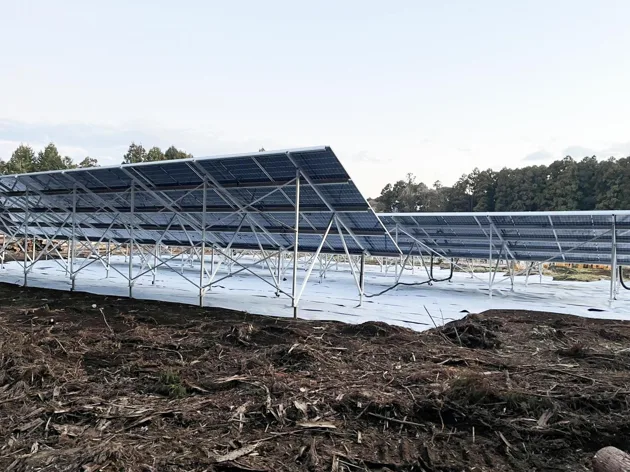
Commercial solar projects depend on more than panel efficiency and inverter selection. The mounting system is the structural base that keeps the array aligned, stable, and productive for decades. If the racking is poorly matched to the site, a project can face higher installation costs, premature corrosion, structural movement, or reduced energy output.
For developers, EPC contractors, and commercial property owners, the right mounting system should be evaluated early in the project. It affects foundation design, installation speed, wind resistance, maintenance requirements, and long-term asset performance. Choosing suitable solar mounting systems for commercial projects is therefore not only a hardware decision. It is part of the broader engineering and delivery plan for the solar plant.
Why Mounting Systems Matter in Commercial Solar
Solar panels are often the most visible part of a project, but the mounting structure carries much of the operational risk. It must support large module fields, maintain the correct tilt angle, resist wind uplift, handle snow loads where relevant, and remain stable through seasonal temperature changes.
In a commercial ground-mounted system, even small structural issues can become expensive. A weak foundation may lead to uneven rows. Poor corrosion protection can shorten the service life of steel components. An unsuitable tilt or row spacing can reduce annual energy production. These problems may not appear immediately, but they can increase maintenance costs and reduce project returns over time.
A reliable mounting system should be designed around actual site conditions. Soil type, wind exposure, local climate, land slope, installation schedule, and maintenance access all need to be considered before final selection.
Main Components of a Ground-Mounted Solar Structure
A ground-mounted solar system usually includes three core structural parts:
- Foundations or anchors that secure the system to the ground.
- Posts or columns that transfer loads from the array into the foundation.
- Beams, rails, clamps, and connectors that support and fix the solar modules.
Each part must work with the others. A strong rail system cannot compensate for the wrong foundation. A durable foundation will not help if the upper structure is poorly coated or difficult to install accurately.
For commercial and utility-scale projects, engineering checks are especially important. Wind load, snow load, structural deflection, and connection strength should be calculated before production. Standards such as AS/NZS 1170.2, JIS C 8955, and Eurocode 1 are commonly used in different markets to guide structural design. Finite Element Analysis can also help identify stress points before the system is installed on site.
Choosing the Right Foundation
Foundation selection should begin with a geotechnical survey. The survey helps determine soil bearing capacity, groundwater conditions, rock content, and the most suitable installation method.
Common foundation options include:
- Ground screws: These are widely used because they install quickly and require no concrete curing time. They are also easier to remove at the end of a project.
- Driven piles: These are efficient for firm soil conditions and can support large arrays when the ground allows consistent pile driving.
- Concrete foundations: These are suitable for certain difficult soil conditions or special engineering requirements, although they usually require more labor and curing time.
No single foundation type is best for every project. The right choice depends on soil conditions, project scale, equipment availability, and the expected load. A flexible supplier should be able to support different foundation options rather than forcing one fixed solution across all sites.
Steel, Aluminum, and Corrosion Protection
Material choice has a direct impact on cost, durability, and installation efficiency. Aluminum alloy is lightweight and naturally resistant to corrosion, which makes it useful for coastal, humid, or corrosive environments. It is easier to handle on site, but it can cost more than steel.
Steel is often chosen for large commercial ground-mounted systems because it provides high structural strength and can be cost-effective at scale. However, steel requires proper corrosion protection. Hot-dip galvanizing and zinc-aluminum-magnesium coatings are common options for improving long-term durability.
For steel systems, coating quality is critical. Cut edges, drilled holes, and damaged surfaces should be treated correctly during installation. When galvanized steel is cut on site, the fresh edges immediately lose part of their protective layer. A professional crew should seal those exposed areas with an appropriate zinc-rich repair coating to reduce the risk of rust creep over time.
The best material choice depends on project location. Coastal projects may justify aluminum or enhanced coatings. Inland commercial projects may achieve a better cost-performance balance with well-protected steel.
Wind Load, Snow Load, and Structural Reliability
Commercial solar arrays are exposed to outdoor conditions for 20 to 25 years or more. Wind uplift is one of the most important design factors, especially for open land, elevated terrain, and regions with strong seasonal winds.
A properly engineered mounting system should define its wind resistance, snow load capacity, and design standards clearly. In some projects, structures may be designed for wind speeds up to 60 m/s and snow loads around 1.4 kN/m², depending on site conditions, project requirements, and local codes. These figures should not be treated as marketing claims alone. Buyers should ask for engineering documentation, test information, drawings, or calculation support where appropriate.
For commercial projects, this documentation can help EPC teams, project owners, and local approval authorities review the design more efficiently.
Installation Efficiency and Project Cost
The lowest material price does not always produce the lowest project cost. Installation labor, equipment time, rework, shipping, and schedule delays can have a major effect on the final budget.
Pre-assembled components can reduce installation time on large projects. When beams, clamps, or column assemblies arrive partly prepared, crews spend less time measuring, aligning, and assembling small parts in the field. This can reduce labor hours and lower the chance of installation errors.
A practical cost comparison should include:
- Material cost
- Shipping and handling
- Foundation work
- Installation labor
- Maintenance expectations
- Expected service life
For commercial solar projects, long-term system value is often more important than the first purchase price alone. A slightly higher-quality mounting system can be the better choice if it reduces installation time, maintenance, and early replacement risk.
Maintenance and Long-Term Performance
Fixed solar mounting systems generally require limited maintenance, but they should not be ignored. A simple inspection plan can help protect the project over its full service life.
Routine checks should include:
- Bolt tightness and clamp condition
- Signs of coating damage or corrosion
- Foundation movement after heavy rain or storms
- Vegetation growth around the structure
- Module alignment and row stability
- Grounding and bonding connections
Most inspections can be scheduled once or twice a year, with additional checks after extreme weather. Small maintenance actions, such as treating scratched coatings or tightening loosened fasteners, can prevent larger problems later.
What Buyers Should Ask Before Ordering
Before selecting a supplier, buyers should ask several practical questions:
- Which foundation types are supported for this project?
- What wind and snow load ratings can be provided?
- Which design standards are used?
- What material and coating options are available?
- Can the system be pre-assembled to reduce site labor?
- What drawings, calculations, or installation documents are included?
- What warranty and expected service life are offered?
The answers to these questions help separate a generic racking quote from a system that is properly matched to the project.
Conclusion
Solar mounting systems play a central role in the performance and durability of commercial solar projects. The right system should fit the soil conditions, climate, structural requirements, installation schedule, and long-term budget.
For project owners and EPC teams, it is worth evaluating the mounting structure with the same care given to panels and inverters. A well-designed system can reduce installation problems, protect the array from harsh weather, and support stable energy production over decades.