How Football Rebounder Boards Are Transforming Solo Training for Australian Players
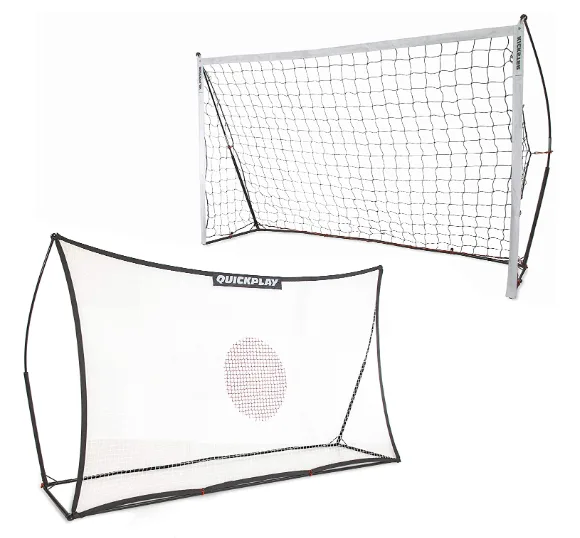
Developing football skills has always required consistent practice, but for decades that meant relying heavily on teammates, coaches, or training partners. The rise of the football rebounder board has changed that equation entirely. Across Australia, players of all ages and skill levels are discovering what elite coaches have known for years: structured solo training with a quality rebounder can compress months of improvement into weeks.
Whether you’re a junior player looking to earn a starting spot or an adult weekend footballer wanting sharper first touch, the right training tool makes all the difference. Brands like QuickPlay Sport have built an entire ecosystem of football training equipment designed for the Australian market, helping players train smarter with tools that fit backyards, driveways, and local parks.
What Is a Football Rebounder Board?
A football rebounder board is a specially engineered training device that returns the ball back to the player after each kick or pass. Unlike a flat wall, quality rebounder boards are designed with a tensioned net or angled frame that mimics realistic ball return angles, simulating one-touch passes, crosses, and volleys in a solo setting.
Modern rebounder boards come in a variety of formats: portable folding units ideal for park sessions, heavy-duty station boards for dedicated backyard setups, and adjustable multi-angle models that replicate high balls, low drives, and everything in between. The best units are lightweight enough to transport in a car boot yet sturdy enough to handle daily use.
Why Solo Training Matters More Than Ever
In recent years, player development research in football has increasingly highlighted the importance of deliberate practice — focused, repetitive sessions targeting specific technical skills. The challenge is that club training sessions in Australia typically occur two to three times per week, leaving significant gaps in a player’s development calendar.
Solo rebounder training fills that gap. A player with a rebounder board at home can complete 200, 500, or even 1,000 ball contacts per session — a volume that would be impossible to achieve in a squad training context. Research consistently shows that players who supplement team training with individual skill work develop ball control, passing accuracy, and reaction times at a significantly faster rate.
This is particularly important in Australia, where the climate allows for outdoor training almost year-round, and where backyard space or nearby parkland is available to the majority of players. The barrier to daily training is no longer access to facilities — it’s having the right equipment at home.
Key Skills You Can Develop with a Rebounder Board
A quality football rebounder unlocks a wide range of technical skills that can be drilled in isolation:
- First Touch & Ball Control: Receive return balls at varying speeds and angles, training your feet to cushion and control instinctively.
- Passing Accuracy: Repeat short and medium-range passes, focusing on weight, direction, and consistent foot contact.
- Shooting Power & Placement: Drive the ball firmly into the board and adjust your body shape based on the return angle.
- Weak Foot Development: Solo training removes the social pressure of using your weak foot in front of teammates, making rebounder sessions ideal for closing the gap between your dominant and non-dominant side.
- Heading & Volleys: Adjust the angle of certain rebounder models to return aerial balls, enabling heading and volley practice without a partner.
- Reaction Speed: Quick-fire returns from a rebounder train sharp reflexes and fast decision-making under simulated match pressure.
Choosing the Right Football Rebounder for Australian Players
Not all rebounder boards are created equal. The Australian climate, playing style, and typical backyard dimensions all influence which unit is the right fit. Here are the key factors to consider:
Size & Space Requirements
Smaller portable rebounders (around 1m x 1.5m) are ideal for tight backyard spaces and can be set up and packed away quickly. Larger station-style boards give a bigger target area and more return variation, but require dedicated space. Consider your available training area before choosing.
Frame & Net Durability
Australian summers can be harsh. Look for powder-coated steel or aluminium frames that resist rust and UV degradation. The net should be heavy-duty polyester or similar, capable of handling consistent hard kicks without sagging or tearing over time.
Angle Adjustability
The ability to adjust the rebound angle is one of the most valuable features in a training board. A flat angle returns ground passes, while a steeper angle lofts the ball back for aerial work. Multi-angle boards give players far more drill variety from a single piece of equipment.
Portability
For players who train at local parks or travel between venues, a rebounder that folds flat and fits in a standard car is a significant practical advantage. Check for fold-down designs with carry bags for hassle-free transport.
QuickPlay Sport: Purpose-Built for the Australian Game
When it comes to sourcing quality football training equipment in Australia, QuickPlay Sport stands out as one of the most trusted names on the market. Their product range is designed with the serious amateur and club footballer in mind — durable, well-engineered, and priced for families and clubs rather than just professional academies.
Their range of football rebounder boards spans several product lines, each targeting different training needs and budgets. The SPOT series offers compact, entry-level rebounders that are perfect for younger players or space-conscious households. The REPLAY Station range steps up to heavy-duty rebound boards with adjustable frames and a larger surface area, catering to players who want to take their solo training seriously. For the most advanced users, the TEKKERS and Pro Rebounder lines deliver professional-grade rebound performance with multi-angle capabilities.
What sets QuickPlay Sport apart is the consistent build quality across their entire lineup. Each rebounder is engineered to deliver reliable, consistent ball returns session after session, which is critical for muscle memory development. Inconsistent equipment creates inconsistent technique — something serious players simply cannot afford.
QuickPlay Sport also ships Australia-wide with fast tracked delivery, backed by a 1-year warranty across all products — giving players and parents confidence in the investment.
How to Structure an Effective Rebounder Training Session
Owning a rebounder board is just the start. To see real improvement, sessions need to be intentional and progressive. Here’s a simple structure that works for players aged 10 through to adult:
- Warm-Up (5 minutes): Begin with gentle passes using your dominant foot, focusing on clean contact and soft returns. Start close to the board, around 2-3 metres.
- Dominant Foot Drills (10 minutes): Increase intensity with sharp one-touch passes, alternating between inside and outside of the foot. Move around the board to change angles.
- Weak Foot Drills (10 minutes): Mirror the same drills with your non-dominant foot. Quality over speed initially — focus on clean contact before adding pace.
- Shooting & Power Work (10 minutes): Step back to 5-8 metres and drive the ball firmly into the board. Aim for specific zones to develop placement.
- Combination Play (10 minutes): Combine passes and volleys, simulating match scenarios such as receiving a pass, controlling, and returning — all solo.
- Cool Down (5 minutes): Slow passes focusing on technique and breathing. Visualise match situations where these skills will be applied.
Three to five sessions per week following a structure like this will produce measurable improvement in touch, accuracy, and confidence within a matter of weeks.
From Grassroots to Elite: Who Benefits from Rebounder Training?
One of the most compelling aspects of rebounder board training is its universal applicability. The same tool that helps an 8-year-old develop their first touch is used by A-League academy players to sharpen their technical foundation.
Junior Players (6–14 years): Building fundamental technique during developmental years is critical. Daily rebounder sessions accelerate ball familiarity and confidence that pays dividends throughout a playing career.
Teenage Development Players (15–18 years): Bridging the gap between junior and senior football requires a significant step up in technical quality. Rebounder training provides the repetition volume needed to close that gap.
Amateur & Social Players: Weekend footballers who want to stay sharp and enjoy the game more can maintain and improve their skills without relying on team sessions.
Coaches & Academies: Station-based rebounder drills can be incorporated into group sessions, allowing coaches to run high-volume technical circuits with minimal supervision per station.
Final Thoughts
The football rebounder board has genuinely transformed the way Australian players approach individual training. Where once solo development was limited to jogging with a ball or kicking against a brick wall, today’s rebounder technology offers structured, measurable, and highly effective training in any backyard or park.
Investing in a quality rebounder board is one of the highest-return decisions a player or football family can make. The equipment pays for itself many times over in accelerated development, stronger confidence on match day, and a lifetime of enjoyment from the game.
If you’re ready to take your solo training to the next level, explore the full range of football rebounder boards at QuickPlay Sport — purpose-built for the Australian game and trusted by clubs and families across the country.