How to Choose the Right Wastewater Treatment System Malaysia?
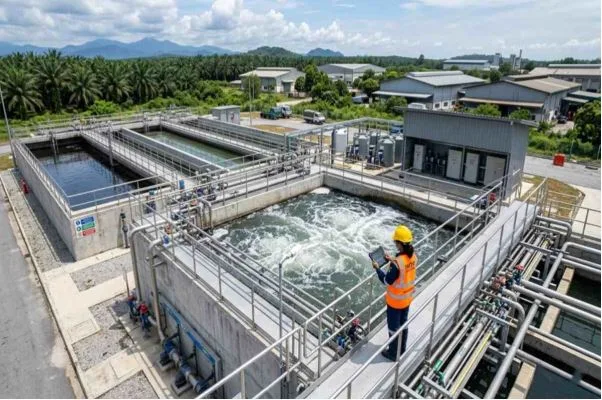
Selecting the right wastewater treatment system is one of the most important decisions for businesses and industries in Malaysia. As environmental regulations become stricter and water conservation gains greater importance, investing in an efficient wastewater treatment solution is no longer optional. Whether you operate a manufacturing facility, food processing plant, commercial building, or healthcare institution, the right treatment system helps protect the environment while ensuring regulatory compliance and operational efficiency.
However, choosing the most suitable system requires careful consideration of several factors. Every facility produces different types and volumes of wastewater, making it essential to evaluate your specific needs before making an investment. A well-designed system not only treats wastewater effectively but also minimizes operating costs, supports future expansion, and allows water reuse where possible.
This guide explains the key factors to consider when choosing the right Wastewater Treatment System Malaysia.
Understand Your Wastewater
The first step in selecting a Wastewater Treatment System Malaysia solution is understanding the characteristics of your wastewater. Different industries generate wastewater with varying levels of contaminants, making a one-size-fits-all solution ineffective.
For example, wastewater from food and beverage facilities typically contains high concentrations of organic matter, oils, and grease. Manufacturing industries may produce wastewater containing chemicals, heavy metals, or suspended solids, while hospitals and laboratories often require specialized treatment for biological contaminants.
Conducting a professional wastewater analysis provides valuable information about contaminants, flow rate, pH levels, and pollutant concentration. These results serve as the foundation for selecting the most effective treatment technology.
Know the Regulatory Requirements
Malaysia has strict environmental regulations governing wastewater discharge. Businesses must ensure that treated wastewater complies with the standards established by the Department of Environment (DOE) before it is discharged into public waterways or municipal sewer systems.
Failure to meet these discharge standards may result in financial penalties, operational disruptions, or legal consequences. Therefore, it is essential to understand the applicable regulations for your industry before selecting a treatment system.
Working with experienced wastewater treatment specialists ensures your system is designed to meet current environmental requirements while remaining adaptable to future regulatory changes. Compliance should always be considered during the planning stage rather than after installation.
Evaluate Wastewater Volume
The amount of wastewater your facility generates each day significantly influences system design and capacity. An undersized system may become overloaded, resulting in poor treatment performance, while an oversized system may increase installation and operating costs unnecessarily.
When evaluating system capacity, consider:
- Average daily wastewater flow
- Peak production periods
- Seasonal fluctuations in wastewater generation
- Future business growth and increased production capacity
Accurately estimating wastewater volume allows engineers to recommend equipment that performs efficiently under both normal and peak operating conditions.
Consider Available Space
Space availability is another critical factor when selecting a wastewater treatment system. Some treatment technologies require large tanks, settling basins, or multiple processing stages, while others offer compact, modular designs suitable for facilities with limited installation space.
Before purchasing a system, evaluate the available land, building layout, accessibility for maintenance, and opportunities for future expansion. Compact treatment solutions can maximize operational efficiency without requiring significant structural modifications.
For facilities located in urban or industrial areas where space is limited, modular treatment systems often provide an excellent balance between performance and footprint.
Focus on Operating Costs
While the initial purchase price is important, the long-term operating cost of a Wastewater Treatment System Malaysia solution has an even greater impact on your overall investment.
Operating expenses may include electricity consumption, chemical usage, replacement parts, sludge disposal, labor, and routine servicing. Systems with lower energy requirements and optimized treatment processes often provide significant cost savings throughout their operational lifespan.
Choosing high-quality equipment from reputable manufacturers also reduces unexpected repair costs and improves system reliability. Instead of focusing solely on the lowest purchase price, businesses should evaluate the total cost of ownership over many years of operation.
Assess Maintenance Requirements
Every wastewater treatment system requires regular maintenance to ensure reliable performance. However, maintenance requirements vary depending on the complexity of the treatment technology.
Some systems require frequent manual inspections, cleaning, and component replacement, while others are designed with automated monitoring and self-cleaning features that reduce maintenance demands.
Before making a decision, consider factors such as equipment accessibility, spare parts availability, maintenance schedules, technical support, and operator training requirements. Selecting a system that is easy to maintain helps minimize downtime and extends equipment lifespan.
Preventive maintenance also helps identify potential issues before they become costly failures, ensuring continuous compliance with environmental standards.
Look for Scalability
Businesses often expand production over time, leading to increased wastewater generation. Installing a treatment system that cannot accommodate future growth may require expensive upgrades or complete replacement later.
Scalable Wastewater Treatment Malaysia solutions are designed to allow additional treatment modules, tanks, or equipment to be integrated as demand increases. This flexibility enables businesses to expand their operations without making major modifications to the existing treatment infrastructure.
Planning for future capacity during the initial installation can reduce long-term costs and ensure uninterrupted operations as your business grows.
Prioritize Water Reuse
Water conservation is becoming increasingly important across many industries in Malaysia. Modern wastewater treatment systems can produce treated water suitable for various non-potable applications, reducing dependence on fresh water supplies.
Recycled water can often be used for landscape irrigation, equipment washing, cooling towers, toilet flushing, and certain industrial processes. Water reuse not only lowers utility costs but also supports environmental sustainability by reducing freshwater consumption and wastewater discharge.
Selecting a treatment system with water recycling capabilities can provide both financial and environmental benefits over the long term.
Evaluate Automation Features
Automation has become an essential feature in modern Wastewater Treatment System Malaysia solutions. Automated technologies improve treatment consistency, reduce manual intervention, and provide real-time monitoring of system performance.
Advanced systems may include:
- Remote monitoring and control
- Automatic chemical dosing
- Real-time water quality monitoring
- Alarm notifications for system faults
- Data logging and performance reporting
Automation enables operators to identify issues quickly, optimize treatment efficiency, and minimize downtime. These intelligent features also simplify regulatory reporting by maintaining accurate operational records.
Work with an Experienced Supplier
Choosing the right supplier is just as important as selecting the treatment technology itself. A knowledgeable supplier can assess your wastewater characteristics, recommend the most suitable treatment process, and provide comprehensive support throughout the project lifecycle.
Insignia Water Sdn Bhd is a trusted provider of wastewater treatment solutions in Malaysia, offering customized systems for a wide range of industries. With extensive experience in water and wastewater engineering, the company delivers reliable solutions that comply with Malaysian environmental standards while meeting each client’s operational requirements.
From initial consultation and system design to installation, commissioning, maintenance, and technical support, it provides end-to-end services that help businesses achieve efficient wastewater management. Their team works closely with clients to develop practical, cost-effective, and scalable treatment solutions that support long-term sustainability and operational success.
Partnering with an experienced supplier like Insignia Water ensures that your investment is backed by professional expertise, quality equipment, and dependable after-sales support.
Conclusion
Choosing the right Wastewater Treatment System Malaysia requires careful planning and a thorough understanding of your operational needs. Factors such as wastewater characteristics, regulatory compliance, treatment capacity, available space, operating costs, maintenance requirements, scalability, water reuse opportunities, and automation features all play important roles in determining the most suitable solution.
Working with an experienced supplier further ensures that your system is properly designed, installed, and maintained for optimal performance. By investing in the right wastewater treatment system, businesses can meet environmental regulations, reduce operating expenses, improve sustainability, and prepare for future growth with confidence.