How Connected Screens Are Changing the Way Audiences Follow News and Entertainment
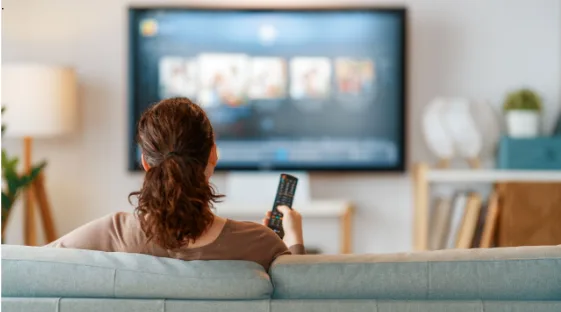
The relationship between audiences and media has changed significantly in recent years. News, entertainment, sport, documentaries, and live events were once distributed through separate channels and consumed according to fixed schedules. Today, smartphones, smart televisions, streaming devices, and digital publishing platforms allow people to move between different types of content throughout the day.
This transformation has created a connected media environment in which television, online journalism, video platforms, and mobile applications increasingly operate together. Audiences now expect immediate access to information, flexible viewing options, and a consistent experience across several devices.
News Consumption Is No Longer Limited to Scheduled Broadcasts
Traditional television bulletins remain important, particularly during elections, emergencies, international conflicts, and major public events. However, viewers no longer need to wait for a scheduled program to receive updates.
Digital news platforms publish written reports, live updates, interviews, short videos, and detailed analysis throughout the day. A reader may first discover a story on a mobile phone, continue reading it on a computer, and later watch related coverage on a television screen.
This ability to move between formats gives audiences greater control. Short updates provide immediate information, while longer articles and video reports offer context. Connected devices allow each person to choose the format that best fits the situation.
Television Is Becoming a Digital Media Hub
The television screen is no longer used only for cable, satellite, or terrestrial broadcasting. Smart televisions and streaming devices can provide access to live channels, on-demand libraries, digital news platforms, creator-led content, and specialist applications.
This development has restored the television’s role as a central household screen. Smartphones are useful for quick updates, but many viewers still prefer a larger display for documentaries, sport, films, interviews, and extended news coverage.
The modern television therefore acts as part of a wider digital network. Content can be discovered on one device and continued on another, giving viewers more flexibility without separating traditional broadcasting from online media.
Audiences Expect Information Across Multiple Devices
Modern media consumption rarely happens on a single screen. A person may read headlines during a morning commute, watch a short video during a break, and view a full report at home in the evening.
This behavior has influenced how publishers design and distribute content. Articles must be readable on mobile devices, videos must work on both small and large screens, and navigation must remain simple across different operating systems.
Publishers that offer a consistent experience are more likely to retain their audiences. Slow pages, confusing menus, and incompatible video formats can cause users to leave even when the content itself is valuable.
Entertainment and News Are Becoming More Closely Connected
The boundaries between news and entertainment are also becoming less clear. Major sporting events, film releases, technology announcements, and cultural developments often generate both immediate news coverage and long-form analysis.
A viewer may watch a live event, read reactions afterward, and then access interviews or documentaries related to the same subject. Digital platforms make this movement between information and entertainment almost seamless.
This does not mean that all content should be treated in the same way. Reliable journalism still requires verification, responsible sourcing, and clear separation between reporting and opinion. However, the technology used to distribute news and entertainment is increasingly shared.
Regional Preferences Continue to Matter
Digital media may be global, but audiences still value local language, regional news, national sport, and culturally relevant entertainment. A platform can offer international content while also helping users find material that reflects their own location and interests.
In Germany, households commonly combine traditional television, streaming applications, mobile devices, and internet-based services. Viewers may want German-language news alongside international films, European sport, documentaries, and specialist programming.
People researching internet-based television in Germany often compare device compatibility, application support, connection stability, content organization, and ease of setup. Clear information helps users understand the available technologies without relying only on advertising claims.
Technology Determines the Quality of the Experience
Access to a large amount of content does not automatically create a good viewing experience. Internet speed, Wi-Fi coverage, device performance, and software updates all affect reliability.
Weak wireless signals can cause buffering, while outdated applications may create compatibility problems. In some households, a wired connection or an updated streaming device can significantly improve performance.
Security should also be considered. Users should protect accounts with strong passwords, install applications from trusted sources, and keep televisions, routers, and media devices updated.
Personalization Is Changing Content Discovery
Digital services increasingly use recommendations, categories, and viewing history to organize content. These tools can help audiences find relevant stories, programs, and videos without searching through large libraries manually.
Personalization is most useful when users remain in control. Viewers should be able to manage profiles, change preferences, and understand how recommendations are generated.
Separate household profiles can also improve the experience by allowing each user to maintain an individual watchlist and viewing history.
The Future Will Combine Broadcasting and Digital Publishing
The future of media will probably not involve the complete replacement of traditional television. Instead, broadcasting, online journalism, streaming, and creator-led content will continue to become more integrated.
News organizations will distribute stories through written articles, live video, mobile alerts, and connected television applications. Entertainment providers will combine scheduled events with on-demand libraries and personalized recommendations.
The most successful platforms will be those that combine trustworthy content with reliable technology. Audiences want speed and flexibility, but they also expect accuracy, transparency, and simple access.
Conclusion
Connected screens are changing how audiences follow news and entertainment. Information can now move from mobile devices to computers and television screens without remaining tied to a fixed schedule or a single format.
This transformation gives viewers more control and creates new opportunities for publishers. As broadcasting and digital media continue to converge, the quality of the experience will depend on reliable technology, useful content, and the ability to serve audiences across multiple devices.