Why Your Fleece Pieces Die Early (And How to Keep Them Alive for Years)
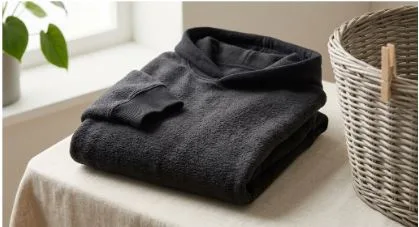
You bought a good piece. Heavy fabric, clean fit, felt great for about four months. Then it started looking tired, the cuffs went slack, and the print cracked along the fold lines. Sound familiar? Here’s the frustrating truth: that hellstar hoodie or crewneck probably didn’t fail because it was badly made. It failed because of what happened in your laundry room. Fleece is more fragile than it feels, and the habits most of us learned growing up quietly destroy it. The good news is that fixing this costs nothing and takes seconds. So let’s talk about what’s actually killing your pieces and how to stop it.
Heat Is Doing the Damage
If you change one thing after reading this, make it heat. Nothing wrecks fleece faster, and almost everyone gets it wrong. Here’s what’s happening inside your dryer. Fleece gets its softness and warmth from tiny lifted fibers on the inside face, brushed up during manufacturing to trap air against your skin. High heat melts and flattens those fibers permanently. Once they’re crushed, they never lift again, which is why an old hoodie feels thin and slick inside compared to a new one. That’s not wear. That’s heat damage. Hot water does its own damage during washing, causing cotton fibers to shrink unevenly across the garment. The body might shrink slightly while the ribbed cuffs shrink more, which is exactly why cuffs end up too tight while the body stays baggy. Prints suffer worst of all. Most screen prints are essentially a flexible plastic layer bonded to fabric, and heat makes that layer brittle. So it cracks along the exact places you fold the garment, which is why old prints split across the chest. Cold water and air drying solves all three problems at once. My honest opinion? Air drying is the single highest-value habit in clothing care, and it costs you nothing but patience. A hoodie hung overnight is dry by morning. That’s it. That’s the whole sacrifice for a piece that lasts years instead of months.
The Ribbing Nobody Protects
Cuffs, hems, and collars carry more responsibility than the rest of the garment combined, yet they get the least thought. Those ribbed sections are what make the piece work. They gather the fabric, create the shape, and keep everything from flapping loose. When ribbing goes slack, the whole piece reads as worn out even if the body fabric is perfect. So protecting it matters enormously. Ribbing is knitted with elastic-like tension built into the stitch structure, and heat is what destroys that tension. Once stretched, it doesn’t recover. The other killer is mechanical stress. Pulling a hoodie off by yanking the cuffs stretches them every single time, and hundreds of small stretches add up to permanently loose openings. Pull from the body instead, not the wrists. Storage matters here too. Hanging a heavy fleece piece by the shoulders lets gravity pull downward on the whole garment for months at a time, distorting the shoulder line and stretching the body. Fold heavy pieces instead. A well-built parke sweatshirt comes with proper ribbed cuffs and a brushed interior precisely because those elements define how it wears over time, and protecting them is what keeps that structure intact. Here’s the detail I’ve learned from handling worn-out pieces: check the collar first when judging any old garment. Collars stretch before anything else, and a sagging collar is the clearest sign a piece was dried hot repeatedly. Once you know to look, you’ll spot it on other people’s clothes constantly.
The Washing Routine That Actually Works
You don’t need special products or complicated steps. Follow this sequence and your pieces will outlast anything you’ve owned before:
- Turn the garment fully inside out, which protects the print and the brushed interior from friction
- Wash cold, at 30°C or below, since cold water cleans fleece perfectly well without shrinking it
- Use a gentle or delicate cycle, because aggressive agitation is what causes pilling on the surface
- Skip fabric softener entirely, as it coats fleece fibers and reduces both softness and breathability
- Air dry flat or on a hanger, never in the dryer, and reshape the cuffs with your hands while damp
That last step is worth doing properly. While the piece is damp, gently work the cuffs and hem back into shape with your fingers, and they’ll dry holding that form. It takes ten seconds and genuinely extends their life. Fabric softener surprises people, since it feels like it should help. It doesn’t. Softener works by leaving a waxy coating on fibers, which is fine for towels but suffocates fleece’s lifted texture. Wash less often too, honestly. Fleece doesn’t need washing after every wear unless it’s actually dirty or smells. Airing a hoodie overnight handles most days, and every wash you skip is wear you didn’t put it through.
Pilling: What It Is and How to Stop It
Those small fuzzy balls on the surface drive people crazy, and most attack them the wrong way. Pilling happens when short fibers work loose from the fabric, tangle together, and knot into little bundles. Friction is the cause, so anywhere your garment rubs against something repeatedly is where pills appear first. Under the arms, along the sides, and wherever a bag strap sits. That’s why cheaper pieces pill faster, since shorter, lower-quality fibers work loose more easily. Prevention beats cure here. Washing inside out reduces friction against other clothes in the drum, and washing on gentle cuts the agitation that loosens fibers in the first place. Avoid washing fleece with rough items like denim or towels, because those fabrics act like sandpaper across the whole cycle. When pills do appear, don’t pick at them with your fingers, which pulls more fiber loose and makes it worse. Use a fabric shaver or a simple pill comb instead, working gently across the surface in one direction. A five-dollar shaver revives a pilled hoodie remarkably well, and I’ve brought pieces back from looking genuinely finished. One honest limitation: pilling on cheap, low-quality fleece will keep returning no matter how carefully you shave it, because the underlying fibers are just too short to stay put. Care extends the life of a good piece dramatically, but it can’t turn a poorly made garment into a durable one. Buy weight and quality first, then protect it.
Small Habits That Add Years
Beyond washing, a handful of daily choices decide how long your pieces survive:
- Take pieces off by pulling from the body, never yanking at the cuffs or the hood
- Fold heavy fleece rather than hanging it, since gravity stretches shoulders over months
- Store pieces away from direct sunlight, because sun fades dark colors faster than washing ever does
- Air out a hoodie overnight instead of washing it, whenever it isn’t actually dirty
- Rotate between pieces rather than wearing one favorite constantly, giving fibers time to recover
That last point matters more than it sounds. Fabric fibers genuinely recover their shape when rested, so wearing the same hoodie four days straight compresses it in ways a day off would fix. Rotation isn’t just about variety. It’s mechanical recovery. Sunlight deserves attention too, since a black hoodie left on a chair by a window for months will fade unevenly in a way that no wash caused. Store dark pieces in a drawer or closet. My preference is folding everything heavy, always. I hung fleece for years and never understood why the shoulders looked odd until someone pointed at the hanger.
Fixing Pieces That Are Already Damaged
Not everything is lost if you’ve already made these mistakes, which is genuinely good news. Several problems have real fixes. Slack cuffs can often be tightened by soaking the ribbing in hot water briefly, then air drying while gently squeezing them into shape. Cotton fibers contract with heat, so this uses the same effect that caused the damage to partially reverse it. It won’t work miracles, but it helps noticeably. Pilling responds well to a fabric shaver, as covered already, and one careful pass can make a piece look years younger. Flattened interior fleece is harder, though a gentle brush with a soft-bristled garment brush lifts some of the crushed nap back up. Don’t expect a full recovery, since melted fibers are melted. Cracked prints, unfortunately, are permanent. Nothing rebuilds a broken print layer, and attempts to patch it always look worse than the crack did. Faded colors can be revived somewhat with a dye specifically made for cotton, though matching the original shade is genuinely difficult and results vary. My advice? Assess honestly whether a piece is worth saving. Some are, and a shaver plus a cuff soak brings them back into rotation properly. Others have crossed a line and are better used as house clothes than fixed. The real lesson is starting these habits on your next new piece before any of this damage happens.
Building the Habit From Day One
The best time to protect a piece is the day you get it, not after it looks tired. So when something new arrives, decide immediately how you’ll treat it. Wash cold, inside out, air dry, fold not hang. Those four rules take zero extra effort once they’re routine, and they’re the difference between a piece lasting eight months and eight years. Set your washing machine’s default to cold and the decision makes itself. Buy a drying rack if you don’t have one, since a cheap folding rack pays for itself the first time it saves a good hoodie. Keep a fabric shaver in a drawer for occasional touch-ups. That’s genuinely the whole setup, and it costs less than one replacement hoodie. Think about the math for a second. A well-made piece treated properly might last five years. That same piece washed hot and tumble dried might last one. So the care habits effectively cut your cost per wear by a factor of five, without you buying anything better. Care is cheaper than quality, and it multiplies whatever quality you already bought. Start with your best current piece today. Wash it right once, air dry it, and notice how it feels compared to the last time you pulled it from the dryer.
Final Words
Your fleece pieces aren’t dying of old age. They’re dying of heat, friction, and habits nobody taught you to question. Wash cold, turn things inside out, skip the softener, and air dry every single time. Protect the ribbing, fold instead of hanging, and let pieces rest between wears. None of this costs money, and all of it multiplies the life of whatever you already own. A good hoodie should be a five-year piece, not a five-month one. The fabric was never the problem. The dryer was.
FAQ BLOCK
Q: Can I ever put a hoodie in the dryer?
A: Better not to. High heat melts the brushed interior fibers that create warmth, shrinks the body unevenly, and makes prints brittle so they crack. If you must, use the lowest heat setting and pull it out damp.
Q: Why do my cuffs get loose and baggy?
A: Usually heat plus pulling. Dryer heat destroys the elastic tension knitted into the ribbing, and yanking the garment off by the wrists stretches it further. Pull from the body and air dry instead.
Q: How do I stop my hoodie from pilling?
A: Reduce friction. Wash inside out on gentle, and never with rough items like denim or towels. For existing pills, use a fabric shaver rather than picking at them, since picking pulls more fiber loose.
Q: Should I use fabric softener on fleece?
A: No. Softener leaves a waxy coating that flattens fleece’s lifted fibers and reduces breathability. It feels helpful but actively works against what makes fleece warm and soft in the first place.
Q: Is it better to fold or hang a hoodie?
A: Fold it. Hanging heavy fleece lets gravity pull on the shoulders for months, distorting the shoulder line and stretching the body. Folding keeps the shape intact and takes up less space anyway.