How Visa Preparation Is Adapting to Rising Global Workforce Mobility
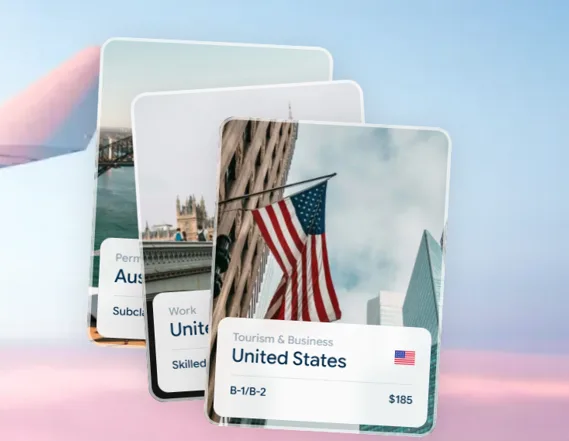
Global workforce mobility has accelerated in recent years, driven by remote work, skilled labor shortages, and companies expanding operations across borders. As more individuals and businesses navigate international relocation, the process of visa preparation has had to evolve alongside it. Governments and applicants alike are adjusting to a system that looks increasingly different from the paper-heavy process of a decade ago.
Here is a look at what is driving that shift and what it means going forward.
- Remote work and skilled labor shortages are increasing cross-border mobility
- Digital processing has reshaped how applicants prepare and submit documentation
- Employer-driven sponsorship is becoming more common across multiple industries
- Documentation inconsistencies remain the most common cause of delays
- Businesses are increasingly building internal mobility programs to manage the process
The Drivers Behind Rising Global Mobility
Several factors are converging to push more people across borders for work. Remote work has made it possible for professionals to live in one country while working for a company based in another, prompting governments to introduce visa categories specifically designed for this arrangement. At the same time, persistent skilled labor shortages in sectors like technology, healthcare, and construction are pushing employers to look beyond domestic talent pools.
Economic uncertainty in some regions has also contributed, as individuals and businesses seek more stable environments for growth. Together, these forces have made international mobility a mainstream business consideration rather than a niche concern limited to large multinational corporations.
How Visa Preparation Has Changed
As demand for visas has grown, the process of preparing and submitting applications has shifted significantly. What used to require in-person visits and physical paperwork is now increasingly handled through digital platforms, though the underlying requirements often remain just as detailed.
Digital Processing and Documentation
Many countries have moved toward online application systems that allow applicants to submit documentation electronically and track their case status in real time. This has reduced some of the friction historically associated with visa applications, though it has also raised the bar for accuracy, since digital systems often flag inconsistencies automatically. Applicants preparing documentation now need to ensure everything aligns precisely across forms, since errors that might once have been caught and clarified in person can now cause automated delays.
Employer-Driven Sponsorship Trends
Employers have become more actively involved in managing the visa process for their hires, particularly as competition for skilled talent increases. Many companies now maintain internal teams or work with specialized services to handle sponsorship, documentation, and compliance across multiple countries. This shift has made visa preparation less of an individual burden and more of a shared responsibility between applicant and employer.
Where Applicants Still Run Into Trouble
Despite these changes, certain issues continue to cause delays regardless of how digital the process becomes. Inconsistent information across supporting documents remains one of the most common problems, particularly when multiple parties, such as an employer and an applicant, are submitting different pieces of the same application. Financial documentation and proof of qualifications also continue to be scrutinized closely, especially for long-term or employment-based visas.
Understanding these common pitfalls ahead of time can meaningfully reduce processing delays. Using visa preparation resources can help applicants and employers spot potential documentation issues early, reducing the risk of delays or incomplete submissions.
What This Means for Businesses and Individuals
For businesses, the shift toward more visa-dependent hiring means building internal processes that can scale across multiple countries and visa categories. Companies that treat visa preparation as a core part of their hiring pipeline, rather than an afterthought, tend to experience fewer disruptions to onboarding timelines. For individuals, staying informed about changing requirements and preparing documentation early has become increasingly important as competition for available visa slots grows in some categories.
The overall trend suggests that visa preparation will continue to become more structured and technology-driven, even as the underlying complexity of international immigration law remains largely unchanged.
Conclusion
Rising global workforce mobility has pushed visa preparation into a more digital, employer-integrated process than it was a decade ago. While technology has streamlined parts of the application process, the fundamentals of accurate documentation and early preparation remain just as important as ever. Businesses and individuals who adapt to these changes early are better positioned to navigate an increasingly competitive and interconnected labor market.
FAQs
Why Has Visa Preparation Become More Digital?
Governments have adopted online systems to handle increasing application volumes more efficiently and to allow real-time case tracking. This has streamlined submission but also increased the importance of document accuracy.
Are Employers More Involved In Visa Sponsorship Than Before?
Yes, many companies now manage sponsorship internally or through specialized services due to increased competition for skilled talent. This shift has made the process more collaborative between employer and applicant.
What Causes The Most Delays In Visa Applications Today?
Inconsistent documentation across different parts of an application remains the leading cause of delays. This is particularly common when employers and applicants submit separate pieces of the same case.
How Can Individuals Prepare For A More Digital Application Process?
Ensuring all documents are consistent, complete, and formatted correctly before submission is essential, since automated systems can flag discrepancies quickly. Starting the preparation process early also helps avoid last-minute issues.
Is This Shift Toward Digital Visa Processing Happening Globally?
Many countries have adopted some form of digital processing, though the extent and sophistication vary significantly by region. Applicants should check the specific requirements for their destination country rather than assuming a uniform process.