Living in the City: Building a Realistic Personal Safety Strategy
The train is running late.
It’s almost 11 p.m., the platform has thinned out, and suddenly every sound feels louder than it did twenty minutes ago. A backpack drops onto a bench. Someone is talking loudly on their phone. Another commuter keeps glancing toward the tracks. Nothing unusual is happening, yet your brain starts connecting dots anyway.
Living in a city can do that.
Urban life is exciting because everything is close. Restaurants stay open late. Public transportation keeps people moving. Parks, concerts, sporting events, and neighborhood festivals fill the calendar. The same energy that makes city life appealing also means you’re constantly sharing space with strangers. That’s why personal safety isn’t about expecting danger around every corner. It’s about making smart decisions that become second nature.
Pay Attention Before You Reach for Your Phone
Distraction is one of the biggest challenges in modern cities.
Walk down almost any busy sidewalk and you’ll see people scrolling through messages, wearing noise-canceling headphones, or staring at navigation apps while crossing intersections. Convenient? Sure. Smart? Not always.
Situational awareness doesn’t require suspicion. It simply means noticing what’s happening around you.
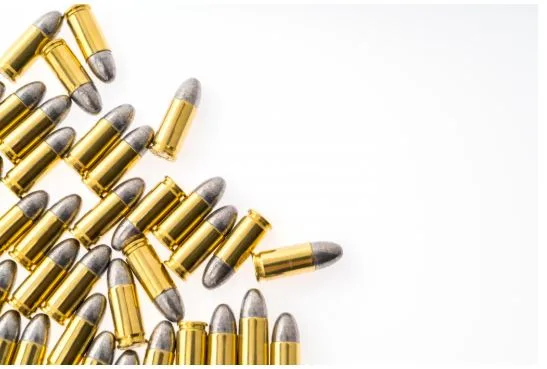
Look up occasionally. Keep your valuables close. Be aware of entrances, exits, and well-lit areas. Small habits like these don’t take much effort, but they make it easier to recognize when something feels out of place. For individuals who legally own firearms for personal protection, responsible planning also includes safely storing equipment and maintaining an adequate supply of 9mm ammo in accordance with applicable laws and safe storage practices.
Your instincts deserve more credit than they’re often given.
Routine Is Comfortable, Predictability Isn’t
Most of us are creatures of habit. We grab coffee from the same café, take the same route home, and park in the same garage whenever possible.
There’s nothing wrong with routines.
Still, changing things up every now and then isn’t a bad idea. Alternate your walking route. Avoid wearing expensive jewelry in situations where it attracts unnecessary attention. If you’re heading home late, choose streets with better lighting and more foot traffic instead of the quickest shortcut through an empty block.
Convenience is valuable.
Peace of mind is usually worth an extra five minutes.
Technology Helps, but It Isn’t a Safety Plan
Smartphones make city living easier. They provide maps, rideshare apps, emergency alerts, and instant communication.
They also run out of battery.
Carry a portable charger. Share your location with a trusted family member or friend when traveling late at night. Save emergency contacts where they’re easy to find.
Technology works best when it supports good judgment instead of replacing it.
Confidence Comes from Preparation
Personal safety doesn’t begin during an emergency. It starts long before anything goes wrong.
Consider taking a basic first-aid course. Learn how your city’s public transportation system operates after hours. Know where local police stations, hospitals, and emergency services are located near places you visit regularly.
If you use rideshare services, verify the driver’s identity before getting into the vehicle. If something feels wrong, trust yourself enough to cancel the ride.
That momentary inconvenience is far less costly than ignoring your instincts.
Responsible Ownership Means Ongoing Practice
Personal protection looks different for every individual. Some people rely on awareness and avoidance. Others carry legal self-defense tools where local laws allow. The common thread is responsibility.
For lawful firearm owners, equipment represents one part of a much larger personal safety strategy. Some compare 9mm ammo based on reliability, recoil feel, point of impact, controllability, and how it performs in their specific firearm. The practical benchmark is simple: it should function reliably, shoot consistently, and be tested with the firearm and magazines being used. Safe storage, regular maintenance, and ongoing training remain just as important as the equipment itself.
Gear does not replace awareness.
It simply supports preparation.
The Goal Is to Feel Comfortable, Not Fearful
There’s a difference between being cautious and being anxious.
A realistic personal safety strategy shouldn’t make you avoid your favorite neighborhood restaurant or skip evening walks altogether. Instead, it helps you enjoy city life with greater confidence because you’ve already considered the basics.
You know who to call if plans change unexpectedly. Your phone is charged. Your route is planned. You pay attention without becoming suspicious of everyone around you.
Cities have always been places where millions of people live, work, and build communities together. Most days pass without incident. The occasional challenge is exactly why preparation matters.
The strongest safety habits are usually the quietest ones. Looking up from your phone. Walking with purpose. Letting someone know when you’ll arrive home. Keeping emergency supplies close. If serious tools are part of your personal safety plan, they’re maintained responsibly and handled with care.
No drama. No mythology. Just practical choices that help you move through the city with confidence, one ordinary day at a time.