Six Sustainable Choices That Make Outdoor Adventures More Responsible
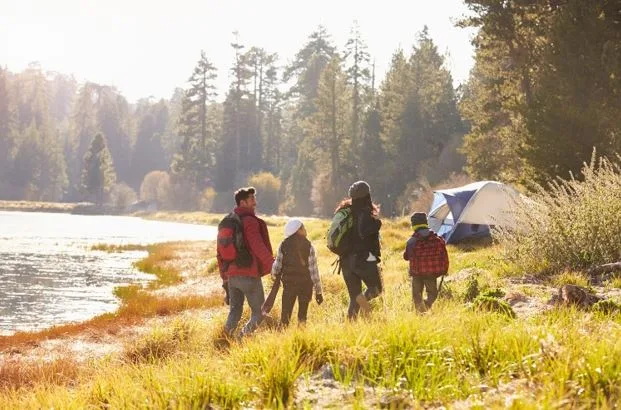
Heading out into the fresh air is one of the best ways to clear your head. Whether you love pitching a tent in a quiet forest or spending the day at a local beach, nature gives us so much. It makes perfect sense that we should protect these wild spaces in return.
You can significantly reduce your impact on the earth by making a few conscious adjustments to your routine. Planning ahead is the easiest way to ensure you leave no trace behind on your next trip.
This guide explores straightforward, practical ways to keep your outdoor adventures green and enjoyable.
Pack Light and Smart
Taking only what you need is the first step toward a more sustainable journey. Extra weight in your boot means your vehicle burns more fuel on the way to your destination. You can easily avoid this by auditing your gear before you pack up. Focus on versatile items that serve multiple purposes during your weekend away.
Ditching single-use plastics is an easy win for any outdoor lover. You can pack reusable silicone pouches instead of plastic sandwich bags. Swap out individual plastic water bottles for a sturdy stainless-steel canteen you can refill. These small changes keep rubbish out of fragile ecosystems and save you money over time.
Invest in Gear Built to Last
Cheap gear is a massive contributor to landfill waste. Many of us have experienced the frustration of a budget item failing on its first weekend out. When you buy cheap, flimsy equipment, you often end up throwing it away after a single season. Choosing durable gear is one of the most effective ways to lower your footprint.
Select Lifetime Durability
You should look for manufacturers that offer strong warranties on their products. Brands that stand by their craftsmanship help you break the cycle of buying and discarding. For example, the durable folding chairs from Ozzi Gear specifically solve this issue. They replace bulky, traditional camp chairs that quickly fall apart with compact, robust alternatives.
Focus on Sturdy Construction
A good chair should handle real-world use without wobbling or sagging. Highly resilient frames and reinforced joints ensure your gear survives years of trips to the beach or to the sidelines of sports. When you invest in a product with a lifetime warranty, you keep waste out of the rubbish tip. This approach is much better for your wallet and the planet.
Respect Wildlife and Local Ecosystems
Observing animals in their natural habitat is always a highlight of any outdoor trip. However, human presence can easily disrupt their natural behaviours and food sources. You must always keep a respectful distance from any creatures you encounter. Avoid the temptation to get close for a photo, as this can cause unnecessary stress to the animal.
Feeding wildlife is another common mistake that does real harm. Human food is not suited to wild animals and can make them quite ill. It also teaches them to associate people with food, which often leads to dangerous encounters. Keep your food stored securely in your vehicle or in animal-proof containers at your campsite.
Stick to the Established Paths
Straying from the marked trails might feel like an exciting adventure, but it can cause serious damage. Walking off-path crushes delicate wildflowers, destroys nests, and contributes to soil erosion. Heavy rain can quickly wash away loose soil on a damaged slope, permanently altering the local landscape.
You can protect fragile habitats by staying firmly on the designated paths. This is especially important in high-traffic national parks where thousands of boots tread every single week. If you need to set up a spot to rest, choose durable surfaces like rock, gravel, or dry grass. This simple habit ensures the wilderness stays intact for the next person.
Choose Eco-Friendly Personal Care
The soap and sunscreen you use can have a direct impact on local waterways. Traditional personal care products often contain chemicals that are toxic to aquatic life. When you wash your dishes or swim in a lake, these substances wash directly into the water system.
You can prevent this water pollution by switching to biodegradable soaps and reef-safe sunscreens. Even when using biodegradable soap, you should never wash directly in a river or stream. Always carry water 200 feet away from the source to do your washing up. This allows the soil to naturally filter the greywater.
Minimise Campfire Impacts
A campfire is a classic part of the camping experience, but it poses significant environmental risks. Wildfires can start from a single stray ember, destroying vast areas of forest in minutes. You should always check local fire restrictions before you light any match.
Use Established Fire Rings
You must always use designated fire pits where they are provided. This keeps the heat concentrated in one safe area and prevents the scarring of new ground. Keep your fires small and manageable, and never leave them unattended for even a minute.
Extinguish Fires Completely
You need to put your fire out completely before you go to sleep or leave the site. Pour plenty of water over the embers, stir the ashes, and apply more water. The ground should be cold to the touch before you walk away. If you want a simpler option, a gas camp stove is often a much cleaner and safer choice.
Conclusion
Making responsible choices in the outdoors does not require a complete lifestyle overhaul. By making smart decisions about your gear and habits, you protect the places you love to explore. Each small action adds up to a massive difference for our natural environments. Pack mindfully, respect the local wildlife, and leave your campsite cleaner than you found it.