How Thoughtful Lighting Design Shapes Memorable Guest Experiences in Modern Hotels
Introduction
Guest expectations continue to evolve as the hospitality industry places greater emphasis on comfort, aesthetics, and personalised experiences. While amenities and service remain essential, lighting design has become a defining feature that influences how guests perceive a hotel from the moment they arrive until they check out. Well-planned lighting enhances architectural details, supports functionality, and creates welcoming spaces that encourage positive impressions and repeat visits.
Modern hospitality lighting is no longer limited to illuminating interiors. It contributes to brand identity, improves operational efficiency, and supports guest wellbeing. By combining decorative fixtures with practical lighting strategies, hotels can create memorable environments that meet both aesthetic and functional needs. Understanding how thoughtful lighting design affects every area of a property helps hotel owners, architects, and designers make informed decisions that improve the overall guest experience.
Why Lighting Has Become a Core Element of Hospitality Design
Lighting has evolved from a purely functional necessity into one of the most influential aspects of hospitality design. Today’s travellers often associate a hotel’s atmosphere with its lighting, whether they are relaxing in a guest room, enjoying dinner in the restaurant, or checking in at reception. Carefully planned lighting creates emotional connections that shape guests’ memories of their stay.
Hospitality brands increasingly use lighting to reinforce their identity. Luxury hotels often choose warm, layered lighting to create elegance and comfort, while boutique properties may incorporate distinctive fixtures that reflect local culture or contemporary design trends. Every lighting decision contributes to a property’s personality and visual appeal.
Architectural lighting also highlights important design elements, including textured walls, artwork, feature ceilings, and outdoor landscaping. These visual details help distinguish one property from another while creating inviting environments for visitors.
In addition to aesthetics, effective lighting improves safety and navigation throughout the property. Well-lit corridors, entrances, stairways, and parking areas help guests move comfortably while enhancing security. By integrating lighting into every stage of the design process, hotels can create spaces that are attractive, practical, and memorable.
Creating Different Atmospheres Across Hotel Spaces
Every area within a hotel serves a different purpose, making it essential to adapt lighting strategies accordingly. A successful hospitality lighting plan balances ambience, visibility, and functionality while maintaining a consistent design language throughout the property.
The lobby often serves as the first impression for arriving guests. Soft ambient lighting combined with decorative fixtures creates a welcoming atmosphere without overwhelming visitors. Reception desks benefit from task lighting that allows staff to work efficiently while maintaining a polished appearance.
Restaurants and bars require flexible lighting that adapts throughout the day. Brighter illumination may suit breakfast service, while dimmer lighting creates an intimate atmosphere for evening dining. Accent lighting can highlight architectural features, artwork, or display areas, enhancing the overall dining experience.
Guest rooms require multiple lighting layers to accommodate different activities. Reading lights, bedside lamps, desk lighting, and ambient ceiling fixtures allow visitors to customise their environment according to their preferences. Bathrooms also benefit from carefully positioned lighting that supports grooming tasks while maintaining a relaxing atmosphere.
Corridors, elevators, conference spaces, fitness centres, and outdoor walkways each have distinct lighting requirements. A cohesive design approach ensures that guests experience consistent comfort while moving throughout the property, regardless of the space they occupy.
Blending Style, Comfort, and Practical Performance
Beautiful lighting should also perform reliably in demanding hospitality environments. Hotels experience constant use, making durability, maintenance, and energy efficiency just as important as appearance when selecting fixtures.
Interior designers often seek lighting that complements furniture, finishes, and architectural themes without sacrificing long-term performance. Materials must withstand daily use while maintaining their visual appeal over many years. Finishes that resist wear, corrosion, and cleaning chemicals help reduce replacement costs and preserve a consistent appearance throughout the property.
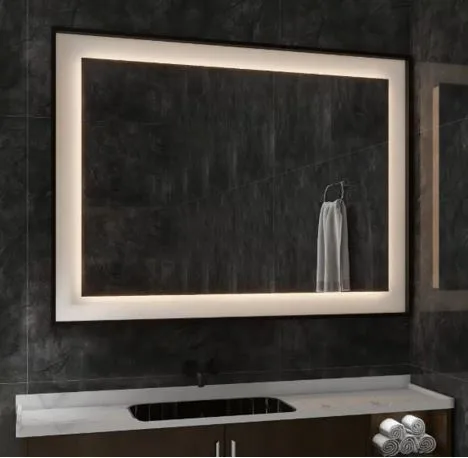
Products such as Lighted Mirrors and quality hotel lighting fixtures play an important role in achieving this balance. As an American lighting manufacturer serving hospitality and contract environments across the country, mariocontractlighting.com reflects this focus on combining thoughtful design with dependable performance. Founded in 1922, Mario Industries is one of the oldest family-owned lighting manufacturers in the United States, headquartered in Roanoke, Virginia. Its long history demonstrates how carefully engineered lighting solutions can meet the demanding requirements of hospitality projects while complementing modern interior design.
Energy efficiency is another essential consideration. LED technology has transformed commercial lighting by reducing electricity consumption, extending fixture lifespan, and lowering maintenance requirements. Hotels can improve sustainability goals while maintaining consistent lighting quality throughout guest rooms and public spaces.
By selecting lighting solutions that combine durability, efficiency, and attractive design, hospitality projects benefit from lower operating costs and improved guest satisfaction over the long term.
Supporting Guest Wellness Through Better Lighting
Lighting directly influences guest comfort, mood, and overall wellbeing throughout a hotel stay. As research into human-centred lighting continues to grow, hospitality designers increasingly incorporate lighting strategies that promote relaxation while supporting everyday activities.
Several design principles contribute to healthier and more comfortable hotel environments:
- Use warm colour temperatures in relaxation spaces. Warm lighting in guest rooms, lounges, and spa facilities creates a calming atmosphere that encourages rest. Cooler lighting may be more suitable for workspaces or fitness centres where increased alertness is beneficial.
- Reduce glare through thoughtful fixture placement. Excessive glare can cause eye strain and discomfort. Properly positioned fixtures, diffusers, and indirect lighting improve visual comfort while maintaining adequate illumination throughout the property.
- Provide adjustable lighting controls for guests. Individual dimmers and multiple lighting layers allow guests to customise brightness according to their preferences, supporting activities such as reading, working, or relaxing before sleep.
- Maximise natural daylight whenever possible. Combining daylight with artificial lighting creates pleasant interior environments while reducing energy consumption during daytime hours. Natural light also supports healthier daily rhythms for guests.
- Maintain consistent lighting transitions between spaces. Abrupt changes in brightness can be uncomfortable. Gradual transitions between public areas, corridors, and guest rooms create smoother visual experiences throughout the property.
These strategies demonstrate how lighting contributes not only to aesthetics but also to guest wellness and overall satisfaction.
Planning Lighting for Renovations and New Hotel Projects
Lighting planning should begin during the earliest stages of hotel development or renovation. Early collaboration between architects, interior designers, engineers, and lighting manufacturers helps ensure that lighting integrates seamlessly with the building’s architecture and operational requirements.
One of the first steps involves identifying the property’s overall design vision. Whether the project focuses on luxury accommodations, boutique hospitality, extended stay lodging, or business travel, lighting should reinforce the intended guest experience while supporting daily operations.
Design teams also evaluate technical considerations such as ceiling heights, electrical infrastructure, energy codes, maintenance accessibility, and future flexibility. Selecting fixtures without considering these factors may lead to installation challenges, increased costs, or inconsistent lighting performance.
Budget planning remains another important aspect. While premium lighting products may involve higher initial investment, their durability, reduced maintenance, and energy savings often deliver greater long-term value throughout the building’s lifecycle.
Careful product specification also helps avoid compatibility issues during construction. Coordinating fixture dimensions, mounting methods, control systems, and finish selections early in the project reduces delays while maintaining design consistency across all hotel spaces.
With thoughtful planning, lighting becomes an integrated component of the hotel’s architecture rather than an afterthought added late in the construction process.
Future Trends Influencing Hospitality Lighting
Hospitality lighting continues to evolve as technology, sustainability, and guest expectations shape future hotel design. Emerging innovations allow hotels to improve both operational efficiency and visitor satisfaction while creating visually distinctive environments.
Several important trends are influencing modern hospitality lighting:
- Smart lighting systems are becoming increasingly common. Intelligent controls allow hotels to automate lighting schedules, monitor energy usage, and adjust brightness according to occupancy. These systems improve efficiency while enhancing guest convenience.
- Sustainability remains a major design priority. Hotels increasingly specify energy-efficient LED technology, recyclable materials, and environmentally responsible manufacturing practices that support green building certifications and long-term operational savings.
- Personalised lighting experiences continue to expand. Guests appreciate the ability to adjust lighting scenes using bedside controls or integrated room management systems. Customisable lighting contributes to comfort while supporting different activities throughout the day.
- Decorative statement fixtures are serving as architectural focal points. Large-scale chandeliers, artistic pendants, sculptural wall lighting, and custom-designed installations help hotels establish distinctive identities that guests remember long after their stay.
- Integrated technology is improving flexibility. Lighting systems increasingly work alongside climate controls, occupancy sensors, and building management platforms, creating smarter hospitality environments that respond efficiently to guest needs.
As these innovations continue to develop, thoughtful lighting design will remain central to creating memorable hospitality experiences while improving operational performance.
Conclusion
Lighting influences every stage of the hotel guest journey, from creating strong first impressions to supporting comfort, wellness, and operational efficiency. A carefully planned lighting strategy enhances architecture, reinforces brand identity, improves safety, and creates inviting spaces that encourage positive guest experiences.
Modern hospitality projects benefit from balancing aesthetics with durability, sustainability, and practical performance. By considering lighting early in the design process and selecting solutions that support both visual appeal and long-term functionality, hotels can create environments that meet evolving guest expectations while remaining efficient and adaptable for years to come. Thoughtful lighting design is no longer simply an architectural detail. It has become an essential element in shaping memorable hospitality experiences.