Buying Scrap: How to Know Its Value Before Selling
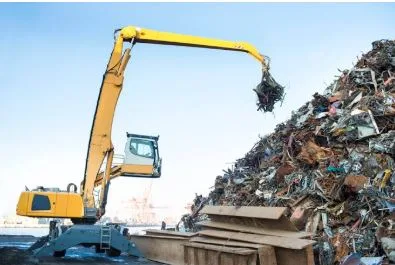
Determining the value of scrap before selling it should never be based on guesswork. The price can vary according to the type of metal, its purity, quantity, and overall condition. A scrap buyer in Jeddah can inspect the materials and provide a fair explanation of their value before the sale is completed. You can also contact us if you need advice, professional assistance, or guidance on the best way to handle the amount of scrap you have.
The valuation process may also differ from one city to another depending on local market conditions, transportation costs, and demand for specific metals. A scrap buyer in Medina can provide a professional assessment to help you understand the value of your materials before selling them. You can contact us if you need clarification, want to evaluate a particular quantity, or would like to know the right steps to take before making a final decision.
What Is Scrap?
Scrap refers to used, damaged, or unwanted metal materials that no longer serve their original purpose but can still be sorted, reused, or recycled. Scrap may come from homes, workshops, factories, construction sites, warehouses, and commercial facilities.
Common examples include iron, copper, aluminum, stainless steel, cables, old appliances, vehicle parts, pipes, machinery components, and metal furniture.
A damaged or old item is not necessarily worthless. Some materials retain a good market value even after they are no longer useful in their original form, especially when they contain metals that are in high demand. For this reason, scrap should not be discarded before its type, weight, and approximate value are identified.
Factors That Determine the Value of Scrap
Several factors directly affect the price you may receive when selling scrap. The first is the type of metal. Copper, for example, usually has a different value from iron, aluminum, or stainless steel.
Purity also plays an important role. Clean metal that has been separated from plastic, wood, rubber, or other materials is often more valuable than mixed scrap. Buyers may need to spend additional time and labor sorting contaminated or mixed materials, which can reduce the final offer.
Weight is another major factor. Large quantities may be more attractive because they can be collected and transported in a single trip. The condition of the items also matters. Some pieces can be reused directly, while others require cutting, cleaning, processing, or melting.
Metal prices also change over time. This means that an offer received today may differ from one received several weeks earlier. It is therefore better to request a current assessment rather than rely on an old price or an unverified estimate.
How Can You Identify Different Types of Scrap?
Understanding the difference between scrap metals can help you estimate the real value of what you have. Iron is usually heavier and may show signs of rust, while aluminum is lighter and more resistant to corrosion.
Copper is often recognized by its reddish-brown color and is commonly found in electrical wiring, pipes, air-conditioning systems, and motors. Stainless steel usually has a bright, smooth surface and resists rust, although its quality and composition can vary.
Other scrap metals may include brass, lead, zinc, and various alloys. Each type has a different market value. If you are unable to identify the metal accurately, it is better to request an inspection from a professional buyer.
Does Sorting Scrap Increase Its Value?
In many cases, yes. Sorting scrap before selling makes the valuation process clearer and prevents high-value metals from being mixed with lower-value materials.
For example, copper hidden within a large quantity of mixed iron may not be valued properly if everything is sold together. Separating copper, aluminum, iron, cables, appliances, and clean metal pieces can help ensure that each material is priced according to its actual type.
You may also remove non-metal parts such as plastic, rubber, wood, or fabric when it is safe and practical to do so. However, avoid dismantling appliances, electrical cables, or machinery if the process could cause injury or expose you to hazardous materials.
Why Accurate Weight Matters Before Selling
Weight is one of the most important elements in scrap pricing. The materials should be weighed using a clear and reliable scale, especially when dealing with large amounts of iron, workshop waste, or industrial scrap.
It is useful to know the approximate weight before accepting a final offer. Visual estimates alone can be misleading because some materials may appear large but weigh very little, while smaller pieces may be surprisingly heavy.
The more accurate the weight, the easier it becomes to compare offers and determine whether the proposed price is fair.
When Is Scrap More Valuable?
Scrap is generally more valuable when it is sorted, clean, free from non-metal materials, and available in a quantity that makes collection and transportation efficient.
Its value may also increase when the items can be reused without extensive processing. Certain machines, tools, motors, or components may be worth more as usable parts than as raw metal.
Market demand also affects value. A particular metal may become more valuable during certain periods because of changes in supply, industrial demand, or recycling activity.
For this reason, there is no fixed price that applies to every type of scrap. Each quantity must be assessed according to its metal type, weight, condition, and current market value.
Mistakes That Can Reduce Scrap Value
One of the most common mistakes is selling all scrap together without sorting it first. This may cause valuable metals to be priced as part of a lower-value mixed load.
Another mistake is accepting the first offer without comparing prices or asking how the valuation was calculated. A verbal estimate that does not explain the metal type, weight, or deductions may not reflect the real value of the materials.
Poor storage can also reduce value. Leaving scrap in a damp or contaminated area may increase rust, dirt, and damage, making the materials harder to clean and transport.
Incorrectly dismantling appliances or machinery can also destroy reusable components that might have been sold for a higher price.
How Should You Compare Purchase Offers?
When comparing offers, do not focus only on the price per kilogram. Consider how the materials will be weighed, whether transportation is included, when collection will take place, and whether loading is part of the service.
A higher offer may not always be the best choice if it includes hidden fees, transportation charges, or unclear deductions.
Ask the buyer to explain the valuation method and confirm which metal categories were included in the offer. Keep photos or a simple list of the materials and estimated quantities before collection.
These steps can help you make a better decision and reduce the risk of disagreement after the sale.
Tips Before Selling Scrap
Start by listing the materials you have and sorting them into basic categories. Take clear photographs if you plan to request an initial assessment remotely.
Collect as much information as possible about the type, quantity, condition, and location of the scrap. Avoid transporting the materials yourself until you know whether the transportation cost will reduce the amount you receive.
It is usually better to deal with a clear and professional company that can inspect the scrap, explain the pricing method, and arrange a suitable collection time.
Before loading begins, make sure the area does not contain personal belongings, important documents, reusable items, or equipment that was not intended for sale.
Conclusion
Knowing the value of scrap before selling starts with identifying the metal type, sorting the materials, confirming the weight, and checking current market conditions.
The more information you have, the easier it becomes to compare offers and make a confident decision. Avoid rushing into a sale before understanding the contents and approximate value of the scrap.
Choosing a professional buyer who provides a clear assessment and organizes collection and transportation properly can help you complete the sale more safely and fairly.