Commercial Asphalt Sealcoating and Repair Services Explained
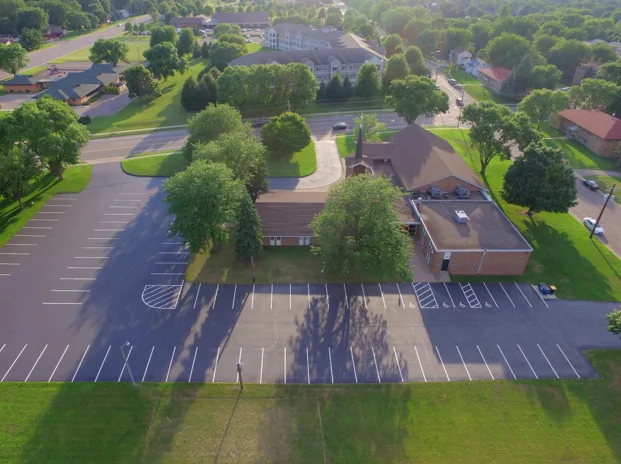
A parking lot rarely fails all at once. It starts with a dull, faded surface, then a hairline crack, then water finding its way in where it shouldn’t. Commercial asphalt sealcoating is one of the simplest ways to slow that decline before it turns into a costly repair job.
For property owners and facility managers, knowing when to seal and when to call in commercial asphalt repair services can be the difference between a routine maintenance expense and a full pavement replacement.
Why Asphalt Breaks Down Faster Than Most People Expect
Asphalt looks tough, but it’s constantly under attack. Sunlight oxidizes the surface and makes it brittle. Water works its way into tiny gaps and expands when it freezes, which widens cracks from the inside out. Add in daily traffic, delivery trucks, and oil or fuel spills, and even a well-built lot starts showing wear within a few years.
The rate of damage depends heavily on the climate. In colder regions, freeze-thaw cycles can turn a small crack into a pothole in a single winter. In hotter climates, UV exposure and heat cause the surface to dry out and crumble faster. This is why a one-size-fits-all maintenance schedule rarely works. What matters is watching your specific lot and acting before small issues spread.
What Commercial Asphalt Sealcoating Actually Does
Commercial asphalt sealcoating adds a protective layer over the existing surface. That layer blocks UV rays, resists water penetration, and shields the asphalt from oil and chemical exposure. Done consistently, this kind of protection can more than double a parking lot’s usable life compared to leaving it unsealed.
It also restores a clean, dark finish, which matters more than people assume. A faded, patchy lot signals neglect to anyone walking in, whether it’s a customer, tenant, or delivery driver. Most industry guidance points to resealing every two to three years, though high-traffic lots or harsher climates may need it sooner.
Sealcoating works best as prevention. It is not designed to fix structural damage, which is where repair services come in.
When Cracks Call for Commercial Asphalt Repair Services
Not every crack needs the same response. Hairline cracks caught early can often be filled with hot rubber crack filler, which stays flexible through temperature swings and keeps water out. This step alone prevents a huge share of the potholes that property owners deal with later.
Once damage goes beyond surface cracking, that’s when professional repair work becomes necessary. This typically covers crack filling, pothole patching, saw-cut repairs, and surface leveling in high-traffic or damaged sections. Left unaddressed, these issues don’t just get more expensive. They also create real liability exposure if someone trips or a vehicle is damaged.
A useful way to think about it: sealcoating protects healthy asphalt, while repair addresses asphalt that has already started to fail.
Sealcoating vs. Repair vs. Replacement: What Your Lot Actually Needs
| Situation | Likely Fix | Why |
| Faded surface, no cracks or potholes | Sealcoating | Protects against UV and water before damage starts |
| Hairline cracks, no structural issues | Crack filling | Stops water intrusion before it spreads |
| Potholes or larger surface damage | Commercial asphalt repair services | Restores structural integrity in damaged sections |
| Widespread base failure, repeated potholes in the same spots | Replacement | Repairs won’t hold once the base layer is compromised |
A parking lot is often the first thing a visitor sees, so worn-out or missing lines send the wrong message before anyone even walks through the door. Clear striping also affects safety, since drivers and pedestrians rely on those markings to navigate the lot without confusion.
ADA compliance is a separate concern worth checking regularly. Accessible parking spaces, proper signage, and correct striping dimensions aren’t optional. Falling out of compliance can create legal exposure well beyond the cost of fixing it upfront, so it’s worth reviewing alongside any sealcoating or repair work rather than treating it as an afterthought.
Frequently Asked Questions
How often should a commercial parking lot be sealcoated?
Most properties benefit from sealcoating every two to three years, though lots with heavy daily traffic or exposure to extreme weather may need it more often. Regular sealcoating protects against UV damage, oil residue, and daily wear, which keeps larger repair costs from building up over time.
What’s typically included in commercial asphalt repair services?
These repairs generally cover crack filling, pothole patching, saw-cut repairs, and surface leveling in damaged areas. The goal is to restore structural integrity in specific sections rather than resurfacing the entire lot.
Can sealcoating fix existing cracks or potholes?
No. Sealcoating protects healthy asphalt but doesn’t repair structural damage. Cracks need crack filler, and potholes need patching or deeper repair work before sealcoating is applied over the surface.
How do I know if my lot needs repair instead of full replacement?
If the damage is limited to the surface, such as cracking, minor potholes, or fading, targeted repair usually solves the problem. Replacement typically only becomes necessary when the base layer underneath has broken down, which shows up as repeated potholes returning in the same spots even after patching.
The Bottom Line
Asphalt maintenance isn’t complicated once you know what to watch for. Sealcoating protects a lot that’s still in good shape, crack filling stops small problems from spreading, and professional repair steps in once damage has already taken hold. Catching issues at the right stage is what keeps a parking lot safe, presentable, and affordable to maintain over the long run.
If you’re unsure which stage your lot is in, a professional inspection is worth the time. You can learn more about what commercial asphalt repair and sealcoating services typically involve before deciding on the next steps.