Bathroom Improvements That Add Comfort to Your Daily Routine
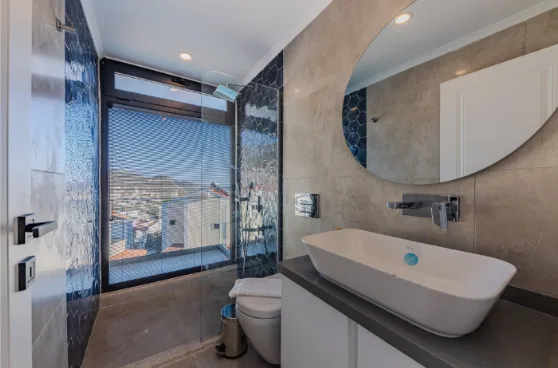
In Richmond, Virginia, many homeowners are updating their bathrooms to better match the way they live today. Whether you’re in a historic Fan District home, a newer suburban neighborhood, or somewhere in between, an outdated bathroom can make everyday routines less convenient. Limited storage, poor lighting, worn fixtures, and inefficient layouts are common issues that become more noticeable with daily use.While a fresh look is a welcome benefit, the most successful remodels solve everyday frustrations and create a bathroom that works better for everyone in the home.
The best bathroom remodels are not just about creating a more attractive space. They address everyday challenges, improve functionality, and make daily routines easier for everyone who uses the room.
Why Remodel?
Homeowners remodel bathrooms for many reasons, but function is usually the most important. When the layout flows well, storage is organized, and fixtures work reliably, everyday tasks take less effort. Small issues such as worn surfaces, limited counter space, or aging plumbing may seem manageable on their own, but together they can make the room feel frustrating.
Comfort is another strong reason to update.Better lighting makes daily tasks easier and creates a brighter, more welcoming space. Improved ventilation helps control humidity and odors. Replacing chipped finishes, stained counters, and outdated fixtures can make the entire space feel cleaner, calmer, and more inviting.
A bathroom remodel can also offer long-term value. Bathrooms are among the first spaces buyers notice, and an updated one often leaves a strong impression. If you are considering Richmond bathroom remodeling, it makes sense to focus on improvements that make daily life easier while helping the room stay useful and attractive for years.
Daily Pain Points
Many bathroom problems seem minor until they affect your routine every single day. Poor lighting is a common complaint. If the mirror area is shadowy, tasks like shaving, styling hair, or applying makeup become more difficult than necessary.
Storage is another major issue. Toiletries, towels, cleaning products, and personal care items can quickly take over the room when there is no clear place to put them. Cabinets become overstuffed, countertops fill with clutter, and the bathroom can look messy even when it is clean.
Layout problems can be just as disruptive. A door that blocks a drawer, a vanity with too little usable surface, or a sink area that feels cramped can make the room awkward to navigate. In shared bathrooms, one poor layout choice can slow everyone down.
Outdated finishes also affect comfort. Old tile, stained surfaces, cracked caulk, and aging fixtures can make the bathroom feel tired and harder to maintain. In busy households, these issues matter because they interfere with daily routines, not just because they look dated.
Features Worth Adding
The most valuable bathroom upgrades are often the practical ones. A walk-in shower is a good example. It is easier to enter, simpler to clean, and often makes the room feel more open. For many homeowners, it improves both convenience and comfort.
Ventilation is another smart investment. A high-quality exhaust fan helps control moisture, reducing mildew, musty smells, and the risk of long-term water damage. It is one of the best improvements you can make for comfort and maintenance.
Double sinks can make a big difference in shared bathrooms. When two people need the space at once, separate sink areas can reduce stress and speed up the morning routine.
Easy-clean materials are also worth considering. Quartz countertops, large-format tile, and streamlined fixtures reduce grout lines and make surfaces easier to wipe down. That means less cleaning effort and less buildup over time.
Storage should receive equal attention. Built-in shelves, vanity drawers, recessed shower niches, and thoughtfully designed cabinets help keep essentials within reach without making the room feel crowded. These details may seem small, but they often have the greatest effect on how well the bathroom functions.
Style That Stays Fresh
Bathroom trends can change quickly, so it is usually best to choose a style that will still feel appealing years from now. Soft whites, warm grays, earth tones, and natural wood looks tend to age well. They create a calm, clean backdrop without locking the room into a short-lived trend.
Materials matter just as much as color. Simple tile shapes, quality hardware, and classic faucet styles usually hold up better over time than bold patterns or highly specific finishes. That does not mean the room has to feel plain. Mirrors, lighting, and a carefully chosen accent wall can still add personality.
A smart approach is to keep the major elements timeless. Tile, vanities, and countertops are expensive to replace, so they should feel durable and versatile. Smaller decorative touches can carry more personality because they are easier to update later. This balance helps the bathroom feel current now while staying flexible in the future.
Budgeting With Purpose
A bathroom budget works best when it starts with a function instead of a wish list. Focus first on the updates that solve the biggest problems. If the shower leaks, the lighting is poor, or there is nowhere to store essentials, those issues should come before decorative extras.
It also helps to separate needs from wants. Heated floors may sound appealing, but a vanity with enough drawers could have a much greater effect on daily comfort. In most cases, it makes sense to spend more on the features you use constantly, such as toilets, faucets, flooring, and quality lighting.
Savings can often come from less important details. A simple mirror, standard hardware, or a basic tile pattern may free up room in the budget for improvements that matter more. It is also wise to leave a cushion for surprises. Bathrooms sometimes reveal hidden water damage, plumbing issues, or structural problems once work begins, and planning ahead for those costs can reduce stress.
Planning for Less Stress
A smoother remodel starts with careful planning. Measure the room accurately and understand how it functions now. Door swings, vanity clearance, shower size, and traffic flow all matter in a bathroom, where every inch counts.
Then think about how the room is actually used. Who uses it, when do they use it, and what causes frustration today? In many cases, a larger shower, better drawer organization, or a second sink will improve daily life more than decorative changes.
When gathering inspiration, identify what you truly like in each photo. It may be the layout, the lighting, the storage, or the color palette rather than the entire design. If you hire professionals, ask practical questions about materials, timeline, cleanup, and how unexpected issues will be handled. Setting clear expectations from the beginning helps prevent delays, misunderstandings, and unnecessary stress during the project.