How AI Is Improving Senior Care Without Replacing Human Compassion
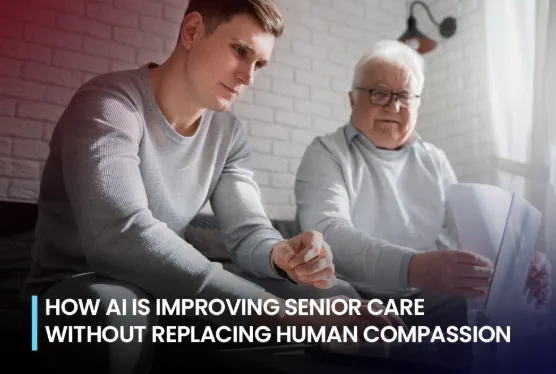
Artificial intelligence (AI) is transforming nearly every industry, and senior care is no exception. From helping caregivers identify health risks earlier to improving medication management and enhancing communication, AI is becoming an important tool in modern senior living. However, despite these technological advancements, one truth remains unchanged: compassionate human care cannot be replaced.
For older adults, quality care extends beyond medical support. It includes emotional connection, meaningful conversations, empathy, trust, and personalized attention—qualities that only dedicated caregivers can provide. The future of senior living is not about replacing people with technology but using AI to empower healthcare professionals, improve safety, and create more personalized experiences for residents.
As communities across Wisconsin continue adopting innovative technologies, families are increasingly asking how AI fits into senior care. Understanding its benefits and limitations can help families make informed decisions when searching for senior living Wisconsin, assisted living Wisconsin, or memory care Wisconsin communities.
What Is Artificial Intelligence in Senior Care?
Artificial intelligence refers to computer systems that analyze data, recognize patterns, and support decision-making. In senior living communities, AI helps caregivers monitor residents’ health, identify potential concerns, automate routine administrative tasks, and improve communication among healthcare teams.
Unlike science fiction portrayals of robots replacing nurses, today’s AI functions as an intelligent assistant. It processes information faster than humans can, allowing caregivers to spend less time on paperwork and more time providing personalized care.
Rather than replacing human judgment, AI enhances it by delivering valuable insights that help caregivers respond more quickly and effectively.
Why AI Is Becoming Important in Senior Living
Wisconsin, like much of the United States, has a rapidly growing older adult population. As demand for quality senior living Wisconsin communities increases, providers must find innovative ways to deliver exceptional care while maintaining high standards of safety and efficiency.
AI helps communities address several common challenges, including early health monitoring, medication management, staffing coordination, emergency response, and personalized wellness planning.
Most importantly, AI allows caregivers to focus on what matters most—building meaningful relationships with residents.
Early Detection Leads to Better Outcomes
One of AI’s greatest strengths is identifying subtle health changes before they become serious medical problems.
Advanced monitoring systems can analyze mobility patterns, sleep quality, heart rate, hydration levels, and daily activity. If unusual patterns emerge, caregivers receive alerts that may indicate an increased risk of illness, falls, infections, or cognitive decline.
Instead of reacting after a medical emergency occurs, caregivers can intervene earlier, often preventing complications and improving long-term outcomes.
Early detection supports healthier aging while reducing unnecessary hospital visits.
AI Supports Safer Medication Management
Medication errors remain a significant concern among older adults, especially those managing multiple prescriptions.
AI-powered medication systems help caregivers track schedules, identify missed doses, monitor prescription interactions, and ensure medications are administered accurately.
These systems reduce administrative errors while allowing licensed healthcare professionals to concentrate on resident care rather than manual recordkeeping.
Families also gain greater confidence knowing medication management follows consistent safety protocols.
Fall Prevention Through Predictive Technology
Falls are one of the leading causes of injury among older adults.
Modern AI systems analyze walking speed, balance changes, movement patterns, and previous fall history to identify residents who may have an increased fall risk.
Instead of waiting for accidents to happen, caregivers receive early warnings and can introduce preventive measures such as mobility assistance, physical therapy, environmental adjustments, or additional supervision.
Technology becomes another layer of protection while compassionate caregivers continue providing hands-on support.
Personalized Care Plans Become Even Better
Every senior has unique healthcare needs, personal preferences, daily routines, and wellness goals.
Artificial intelligence helps organize medical histories, physician recommendations, dietary requirements, therapy schedules, and wellness assessments into comprehensive care plans.
By quickly processing large amounts of information, AI enables caregivers to make more informed decisions without replacing their professional expertise.
The final care decisions always remain in the hands of experienced healthcare professionals who understand each resident personally.
Supporting Residents Living With Memory Loss
For individuals living with Alzheimer’s disease or other forms of dementia, consistency and familiarity are essential.
AI technologies can assist memory care teams by monitoring behavioral changes, identifying wandering risks, recognizing disruptions in daily routines, and supporting individualized cognitive engagement programs.
However, technology alone cannot comfort someone experiencing confusion or anxiety.
Residents still depend on compassionate caregivers who understand their personalities, communicate patiently, and provide reassurance during difficult moments.
Human connection remains the foundation of quality memory care.
Reducing Administrative Work for Caregivers
Healthcare professionals spend a considerable amount of time documenting care, updating records, scheduling appointments, and completing regulatory paperwork.
AI automates many repetitive administrative tasks, allowing nurses and caregivers to dedicate more time to direct resident interaction.
Instead of replacing caregivers, technology gives them something invaluable—more time.
More time means longer conversations, stronger relationships, quicker responses, and greater emotional support for residents.
Improving Communication Between Care Teams
Quality senior care depends on seamless communication between physicians, nurses, therapists, caregivers, specialists, and family members.
AI-powered communication systems organize health updates, appointment reminders, treatment plans, and care documentation into centralized platforms.
This reduces delays, minimizes misunderstandings, and ensures everyone involved in a resident’s care has access to accurate, up-to-date information.
Better communication leads to more coordinated care and improved resident outcomes.
AI Enhances Independence Rather Than Reducing It
Many families worry that introducing technology into senior care may reduce personal interaction.
In reality, AI often helps seniors remain independent longer.
Voice assistants remind residents about appointments and medications, wearable devices monitor health without restricting movement, and smart home technologies improve accessibility while allowing seniors to complete everyday tasks safely.
These tools encourage independence while ensuring help is available whenever it becomes necessary.
Technology supports confidence rather than replacing personal freedom.
Why Human Compassion Can Never Be Automated
Although AI excels at processing information, it cannot replace empathy, kindness, emotional intelligence, or genuine relationships.
Artificial intelligence cannot celebrate birthdays with residents.
It cannot comfort someone grieving the loss of a spouse.
It cannot recognize the importance of a familiar family story.
It cannot provide reassurance through a smile, hold someone’s hand during a difficult moment, or understand the emotional needs behind a conversation.
These experiences define exceptional senior care.
Families choose assisted living Wisconsin communities because they value compassionate caregivers who treat residents with dignity, patience, and respect.
Technology supports care.
People deliver it.
Ethical Use of AI Builds Trust
Responsible senior living communities understand that technology should always be implemented thoughtfully.
AI systems must protect resident privacy, maintain secure health information, support—not replace—professional decision-making, and comply with healthcare regulations.
Transparent communication with families about how technology is used helps build trust while ensuring residents remain at the center of every care decision.
Ethical implementation strengthens confidence in both caregivers and the community itself.
The Future of AI in Wisconsin Senior Living
Artificial intelligence will continue evolving over the coming years.
Future innovations may improve chronic disease management, personalized rehabilitation programs, nutrition planning, predictive healthcare, and emergency response systems.
However, experts consistently agree that successful senior care will always depend on experienced professionals working alongside technology rather than being replaced by it.
Communities that successfully combine innovation with compassionate caregiving will be better equipped to meet the changing needs of Wisconsin’s growing senior population.
Experience and Compassion Create Better Outcomes
Research consistently shows that seniors thrive when they receive personalized attention, meaningful social interaction, and coordinated healthcare.
Technology can identify trends and provide valuable information, but experienced caregivers interpret those insights through the lens of compassion, clinical expertise, and personal understanding.
This partnership between advanced technology and dedicated professionals creates safer, more responsive, and more individualized care.
It is this balance that defines the future of quality senior living Wisconsin.
Discover Compassionate Senior Living Enhanced by Innovation
Families searching for assisted living DeForest WI or senior living DeForest WI often want the reassurance that their loved ones will receive both exceptional care and modern support. At Bay Harbor of DeForest, compassionate caregivers remain at the heart of every resident’s experience while innovative technologies help enhance safety, wellness, communication, and personalized care planning. By combining experienced professionals with thoughtfully integrated technology, the community creates an environment where residents can enjoy greater comfort, independence, and peace of mind without ever losing the human connection that makes senior living feel like home.
Final Thoughts
Artificial intelligence is reshaping senior care in remarkable ways, helping caregivers deliver safer, more personalized, and more efficient support. From predictive health monitoring to medication management and enhanced communication, AI improves many aspects of daily care while reducing administrative burdens.
Yet the heart of exceptional senior living has never changed.
Compassion, empathy, trust, patience, and genuine human relationships remain the qualities that families value most when choosing assisted living Wisconsin or senior living Wisconsin communities. Technology may continue to evolve, but it will always serve its greatest purpose when it empowers caregivers to spend more time doing what they do best—caring for people.