How Friendships Improve Senior Health More Than Most Families Realize
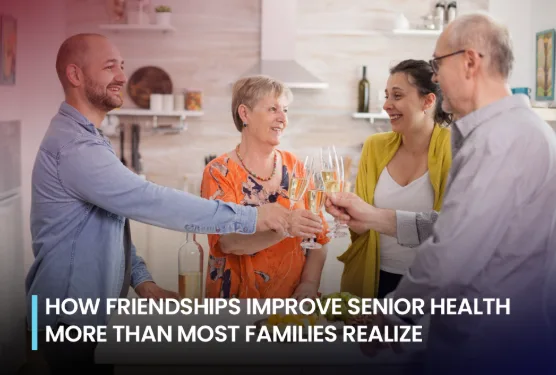
Friendships are one of the most valuable yet often overlooked aspects of healthy aging. While families naturally focus on healthcare, nutrition, safety, and medical support when considering senior living, meaningful social relationships can have an equally profound impact on a senior’s physical, emotional, and cognitive well-being. Strong friendships help older adults remain engaged, reduce feelings of loneliness, encourage healthier lifestyles, and create a greater sense of purpose throughout retirement.
As more families explore senior living Wisconsin and assisted living Wisconsin, they are beginning to recognize that quality care extends beyond medical services. A thriving senior living community is one where residents build genuine relationships, participate in shared experiences, and enjoy daily interactions that enrich their lives. Friendships are not simply a pleasant addition to senior care—they are an essential component of long-term health and happiness.
Why Social Connections Matter More as We Age
Life naturally changes as people grow older. Retirement, children moving away, the loss of lifelong friends or spouses, and reduced mobility can all affect social interaction. These transitions often make it more difficult for older adults to maintain the same level of connection they once enjoyed.
Without regular social engagement, seniors may experience increased feelings of loneliness and isolation. Research has consistently linked social isolation to higher risks of depression, anxiety, cognitive decline, heart disease, and reduced overall quality of life.
Strong friendships help counter these challenges by providing emotional support, daily companionship, and opportunities to stay active both mentally and physically.
The Link Between Friendship and Physical Health
Friendships contribute to better physical health in ways that many families may not expect. Seniors who maintain active social lives are often more motivated to participate in daily activities, attend wellness programs, exercise regularly, and maintain healthy routines.
Simple activities such as walking with friends, participating in group fitness classes, gardening together, or sharing meals encourage movement while making healthy habits more enjoyable.
Socially engaged seniors are also more likely to notice changes in each other’s well-being, creating an additional layer of support that promotes early intervention when health concerns arise.
Healthy relationships encourage healthier lifestyles.
Emotional Well-Being Begins With Connection
One of the greatest benefits of friendship is emotional support. Having trusted companions to share conversations, celebrate milestones, and navigate life’s challenges creates a sense of belonging that contributes significantly to mental health.
Older adults who maintain meaningful friendships often experience greater happiness, lower stress levels, improved self-confidence, and increased emotional resilience.
Even small daily interactions—sharing a morning coffee, attending community events, or enjoying a favorite hobby together—can make a lasting difference in overall well-being.
These relationships help transform everyday moments into meaningful experiences.
Friendships Help Keep the Mind Active
Cognitive health is an important part of healthy aging, and regular social interaction plays a significant role in maintaining brain function.
Conversations, games, educational programs, book discussions, and collaborative activities stimulate memory, communication skills, and problem-solving abilities.
Engaging with friends encourages seniors to remain curious, learn new skills, and stay mentally active throughout retirement.
Communities that foster regular social engagement often create environments where residents continue growing intellectually while enjoying meaningful relationships.
Reducing Stress Through Meaningful Relationships
Stress affects people of every age, including older adults. Health concerns, life transitions, and changing routines can create emotional challenges that become easier to manage with a supportive social network.
Friendships provide encouragement, reassurance, and companionship during difficult times. Simply knowing someone is available to listen or share an experience can significantly reduce feelings of anxiety and loneliness.
Strong emotional support contributes to healthier aging by improving overall resilience and helping seniors maintain a positive outlook on life.
Community Living Encourages Natural Friendships
Living alone can make it difficult for older adults to build new relationships. Community-based senior living creates opportunities for friendships to develop naturally through shared experiences and everyday interactions.
Residents meet during meals, wellness classes, hobby groups, educational programs, community celebrations, volunteer opportunities, and recreational activities. These shared experiences create lasting bonds while encouraging active participation in community life.
Unlike scheduled visits from family members, friendships within a senior living community become part of daily life, providing continuous companionship and support.
Shared Activities Create Lasting Memories
Participating in enjoyable activities together strengthens relationships while improving overall quality of life.
Art classes, music programs, gardening clubs, movie nights, walking groups, cultural celebrations, card games, fitness programs, and local outings all encourage seniors to interact with others while discovering new interests.
These shared experiences create lasting memories, strengthen emotional connections, and contribute to a more fulfilling retirement.
Remaining socially active often inspires residents to explore new hobbies they may never have considered before.
Friendships Promote Independence
Many families assume independence depends solely on physical health, but emotional well-being and confidence also play important roles.
Seniors with supportive friendships often feel more motivated to remain active, attend community events, and participate in wellness programs. Encouragement from peers builds confidence while helping residents maintain daily routines and personal goals.
Positive relationships create an environment where older adults feel supported without sacrificing their independence.
Families Benefit From Strong Resident Friendships
Family members naturally want reassurance that their loved one is happy as well as healthy.
When seniors develop meaningful friendships, families often notice increased confidence, improved mood, greater enthusiasm for activities, and more positive conversations during visits.
Knowing a loved one has companions who genuinely care about them provides peace of mind that extends beyond professional caregiving.
Friendships complement family relationships rather than replacing them.
Why Community Culture Matters
Not every senior living community creates the same social environment.
Communities that intentionally encourage resident engagement through personalized activities, welcoming common areas, interest-based programs, and compassionate staff often foster stronger friendships among residents.
A positive community culture helps new residents feel comfortable while encouraging meaningful connections that continue to grow over time.
This supportive atmosphere contributes to healthier, happier aging.
River Falls Offers an Ideal Setting for Connected Living
River Falls is known for its welcoming community, beautiful surroundings, and strong sense of connection. For older adults, this environment creates opportunities to remain active while enjoying meaningful relationships with neighbors, caregivers, and fellow residents.
Families searching for senior living River Falls WI or assisted living River Falls WI often value communities that emphasize both personalized care and social engagement.
Choosing a community that promotes friendship and belonging can significantly improve overall quality of life while supporting healthy aging.
Building a Community That Feels Like Home
The most successful senior living communities recognize that exceptional care includes emotional wellness alongside physical health.
Caregivers who know residents personally, activities that encourage interaction, welcoming shared spaces, and opportunities for lifelong learning all contribute to an environment where friendships flourish naturally.
These relationships become an important part of everyday life, helping residents feel respected, valued, and connected.
Experience the Difference at Bay Harbor of River Falls
Families looking for assisted living River Falls WI or senior living River Falls WI often seek a community where their loved ones can enjoy more than quality care—they want meaningful relationships and a true sense of belonging. At Bay Harbor of River Falls, residents are encouraged to build lasting friendships through engaging activities, wellness programs, shared dining experiences, and community events that bring people together every day. Combined with compassionate caregivers and personalized support, these connections help residents live healthier, happier, and more fulfilling lives in a welcoming environment that truly feels like home.
Final Thoughts
Friendships are far more than social interactions—they are a powerful contributor to healthy aging. From improving emotional well-being and encouraging physical activity to supporting cognitive health and reducing loneliness, meaningful relationships positively influence nearly every aspect of a senior’s life.
Families exploring senior living Wisconsin, assisted living Wisconsin, or senior living River Falls WI should consider not only the healthcare services a community provides but also the opportunities it creates for residents to build lasting friendships. Communities that encourage connection, belonging, and active participation often help older adults experience greater happiness, improved health, and a richer quality of life throughout their retirement years.