A Buyer’s Guide to Designer Gold Rings: What Sets Them Apart in 2026
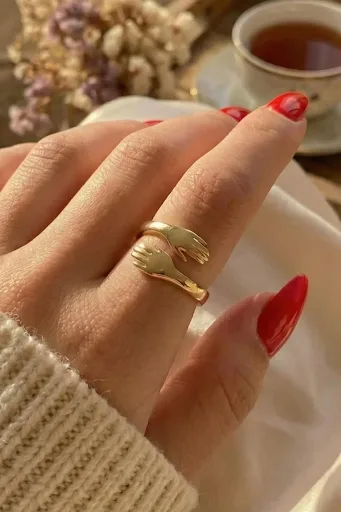
Gold rings have been a staple of personal adornment for thousands of years, but the way people shop for them has changed dramatically. Today’s buyers aren’t just looking for a plain band — they want a piece that says something about who they are. That shift in expectation has fueled the rise of designer gold rings: pieces that combine fine materials with distinctive, often story-driven design work. Here’s what makes this category worth understanding, whether you’re shopping for yourself or buying a gift.
What Actually Makes a Ring “Designer”
The word “designer” gets used loosely in retail, but in the fine jewelry world it typically refers to pieces built around an original design concept rather than a generic, mass-manufactured template. A designer gold ring usually has a signature motif, an unusual construction technique, or a deliberate artistic statement — think sculptural bands, symbolic charms, asymmetrical settings, or textures that aren’t found on standard stock rings.
This matters because gold jewelry, at its core, is a commodity — the metal itself is priced by weight and purity. What differentiates one gold ring from another is craftsmanship: how the metal is shaped, finished, and combined with stones or motifs. Designer pieces tend to justify their price through labor-intensive detailing, unique casting or hand-finishing work, and design elements that aren’t easily replicated at scale.
Understanding Gold Purity Before You Buy
One of the most confusing parts of ring shopping is the karat system. Gold in its pure form (24K) is too soft for everyday jewelry, so it’s alloyed with other metals to improve durability. In the U.S. market, 14K gold has become the most popular choice for everyday rings because it strikes a practical balance: it’s roughly 58.3% pure gold, durable enough for daily wear, and more affordable than 18K or 22K pieces.
When shopping, look for a hallmark stamp (like “14K” or “585”) inside the band, and ask whether the retailer provides a certificate of authenticity. Reputable jewelry brands will also disclose whether metals are recycled or newly mined, and whether stones are conflict-free — details that matter more to today’s buyers than they did a decade ago.
Why Symbolism Sells
A noticeable trend in the designer ring space is the return of symbolic and talismanic jewelry — pieces meant to carry meaning, not just decorate a finger. Evil eye motifs, knot designs, signet-style initials, and nature-inspired themes (olive branches, florals, celestial shapes) have all seen renewed popularity. Part of this is aesthetic, but part of it is emotional: buyers increasingly want jewelry that reflects a belief, a memory, or a relationship, rather than something purely ornamental.
This is especially visible in the gifting market. Rings bought for anniversaries, graduations, or milestone birthdays are far more likely to be chosen for their meaning than their price point alone.
How to Evaluate Quality When Shopping Online
Buying fine jewelry online comes with real advantages — wider selection, easier price comparison, and the ability to browse full collections rather than what one local store happens to stock. But it also requires a bit more diligence than an in-person purchase. Here’s what to check:
- Material transparency. Look for clear labeling of karat weight (10K, 14K, 18K) rather than vague terms like “gold-plated” or “gold-filled” hiding in the fine print.
- Return policy. Ring sizing is one of the most common reasons for returns or exchanges, so a flexible, clearly stated return window is a good sign of a retailer that stands behind its product.
- Photography and detail shots. Designer rings often have texture or dimensionality that’s hard to judge from a single flat photo — look for multiple angles or close-ups.
- Reviews and reputation signals. Established review platforms, transparent contact information, and consistent social media presence are all reasonable indicators of a legitimate retailer.
- Shipping and insurance. Because gold jewelry carries real value, insured shipping should be standard, not an upsell.
Styling Designer Gold Rings
One reason designer rings have grown so popular is their versatility. A single well-designed piece can move between a boardroom and a dinner reservation without feeling out of place. Some styling patterns worth knowing:
- Stacking — pairing two or three slim bands with different textures or motifs — remains one of the most popular ways to wear rings in 2026, allowing buyers to build a personalized combination over time rather than committing to one large piece.
- Statement solo pieces work well for special occasions, particularly bold geometric or sculptural designs that don’t need supporting jewelry to stand out.
- Everyday minimalism has also stayed strong, with slim signet rings and delicate motifs designed for daily wear without interfering with work or routine tasks.
Caring for Gold Rings
Regardless of design complexity, gold rings benefit from simple, consistent care: clean with a soft cloth and mild soap, avoid harsh chemicals like chlorine or standard household cleaners, and store pieces separately to prevent scratching against harder metals or stones. Removing rings before swimming, exercising, or heavy manual work also extends their lifespan significantly, particularly for pieces with fine detailing or filigree work.
Final Thoughts
The designer gold ring category has grown because it answers a real consumer desire: jewelry that feels personal rather than generic, while still being made from a material — gold — that has held value across cultures and centuries. Whether the appeal is craftsmanship, symbolism, or simply wanting a piece that looks different from what everyone else is wearing, understanding purity, construction quality, and retailer transparency will help any buyer make a more confident choice.
For readers looking to browse current styles across price points, this collection offers a good starting point to compare designs side by side.