When Delhi Sang Along: Inside Bismil’s Homecoming Mehfil
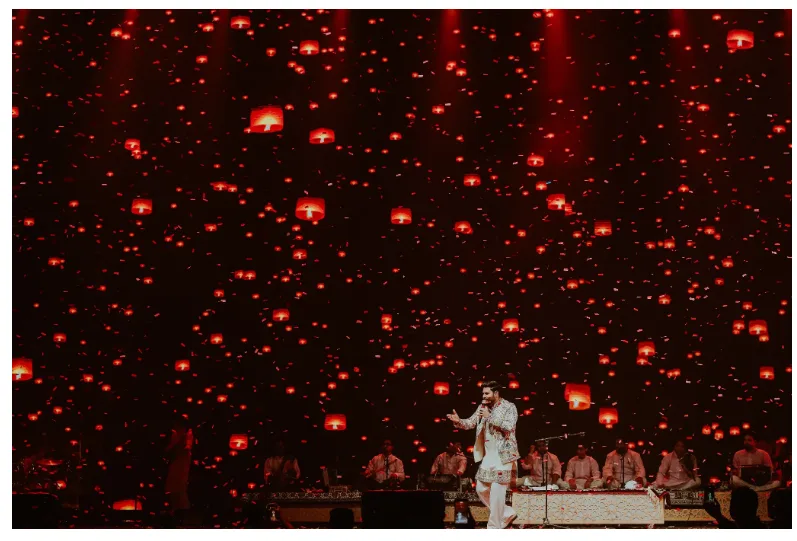
The beauty of a mehfil has never been in how grand it looks, but in how deeply it makes people feel. That was the story of Bismil Ki Mehfil on 18 July at Yashobhoomi Convention Centre, New Delhi, where Bismil returned to his home city for a sold-out evening that blurred the line between performer and listener.
From the very first note, the atmosphere felt less like a conventional concert and more like the intimate gathering its name promised. Every song carried the warmth of familiarity, while Bismil’s signature shayari gently guided the audience from one emotion to the next. Rather than simply introducing the music, his words gave each performance context, allowing every composition to unfold like a chapter in a larger story.
The audience responded in the only way a true mehfil invites them to. They sang, listened, reflected, and applauded with equal enthusiasm. Familiar melodies were met with hundreds of voices echoing back through the venue, while moments of silence carried just as much weight as the performances themselves. It wasn’t about filling every second with sound. It was about creating space for the music, the poetry, and the emotions they stirred to settle naturally.
Every song brought a new mood to the evening. From Kali Kali Zulfe and Kehna Galat Galat to the soul-stirring Sajda, the audience didn’t just listen, they sang along, turning each performance into a collective experience. The night reached its fitting conclusion with Jugni, ending the performance on a note that felt both celebratory and deeply rooted in tradition.
The sold-out show attracted music lovers from across the city, along with several familiar faces from the entertainment industry, including actor Huma Qureshi, who was among those in attendance. Her presence reflected the growing cultural appeal of Bismil’s live performances, which continue to draw audiences beyond the independent music space. As word of the performance spread across social media, it became evident that Bismil Ki Mehfil had struck a chord with listeners from different generations, each finding something personal in the evening’s music and poetry.
Reflecting on the experience, Bismil said, “For me, a mehfil has never been about standing on a stage and performing. It’s about creating a space where every person feels connected to the music in their own way. Coming back to Delhi made that feeling even more special because this city has always been a part of my journey.” His words echoed the very spirit of the evening. Rather than redefining the mehfil, he has focused on creating a space where audiences unfamiliar with Sufi traditions feel just as welcome as those who have grown up with them. That philosophy has become one of the defining characteristics of his live performances.
The Delhi concert also reinforced a larger shift taking place in India’s independent music landscape. Audiences today are increasingly looking for experiences that feel immersive and emotionally honest rather than purely performative. Bismil’s approach speaks directly to that evolution, proving that timeless poetry, Sufi music, and regional influences can exist comfortably alongside contemporary live entertainment without losing their authenticity.
As the final notes of Jugni echoed through Yashobhoomi, the applause lingered long after the music had stopped. It wasn’t simply appreciation for a well-executed performance. It was recognition of an artist who understands that the true essence of a mehfil lies not in how loudly it is remembered but in how deeply it is felt. For Delhi, it was the return of one of its own. For everyone who walked into the venue, it was an evening that reaffirmed the enduring power of music, poetry, and shared emotion.
Disclaimer: The views, claims, and information expressed in this content are solely those of the author or submitting party. The website owner, publisher, and editorial team do not endorse or verify these claims and accept no responsibility for their accuracy, completeness, or any resulting consequences.