How Summer Workloads Change Construction Site Safety Planning
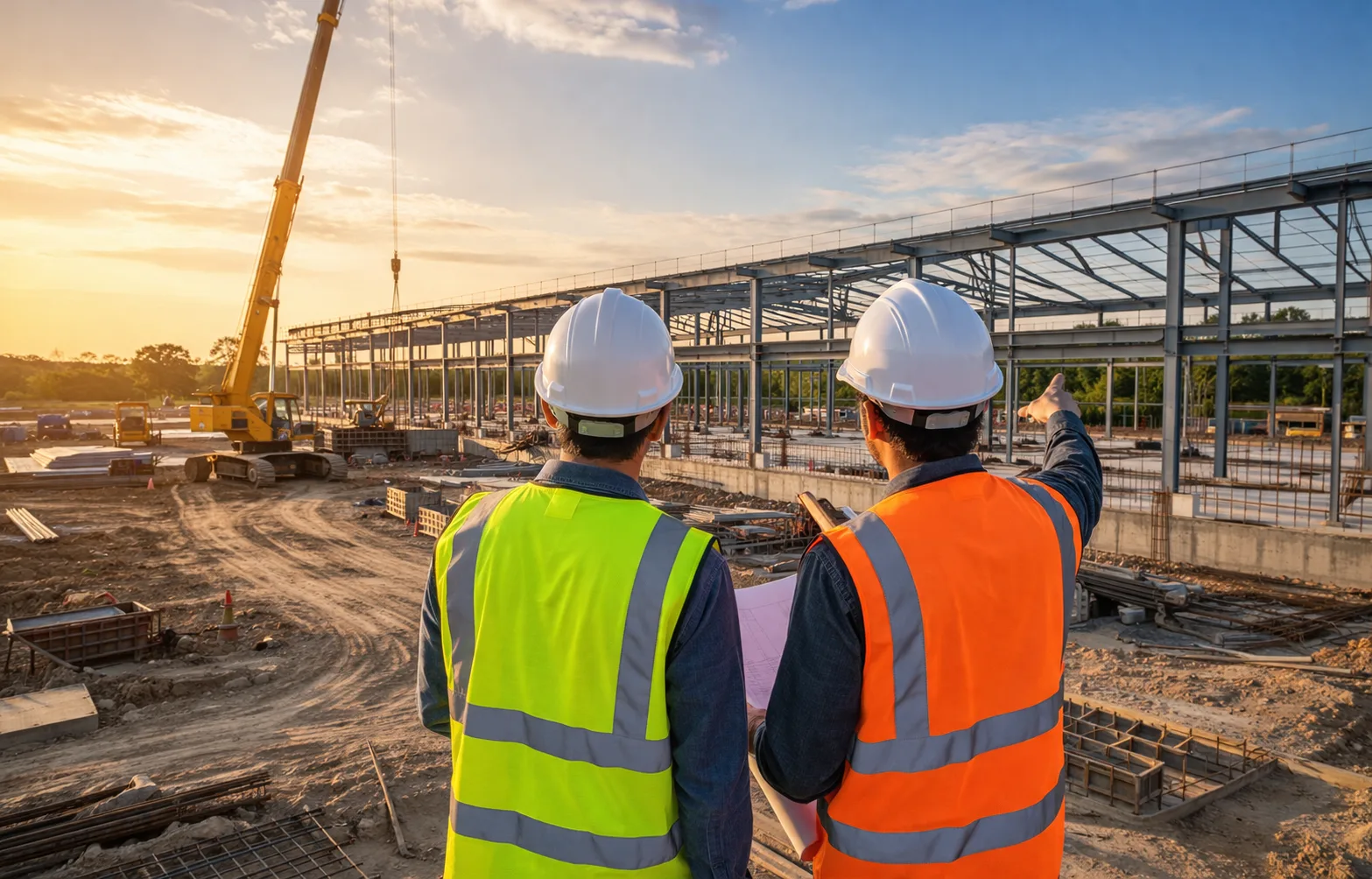
Summer is often the busiest season in construction. Longer daylight hours, favorable weather conditions, and aggressive project schedules create opportunities for increased productivity. At the same time, these advantages can introduce new safety challenges that require additional planning and oversight.
As crews expand, subcontractors rotate through jobsites, and work hours stretch later into the day, the risk profile of a project can change significantly. Activities that seemed manageable during slower periods may become more complex when multiple trades are working simultaneously, and schedules become compressed.
Successful contractors understand that summer safety planning goes beyond preparing for heat. It requires a comprehensive review of workforce readiness, equipment condition, communication practices, work-at-height procedures, and site coordination efforts.
Before summer workloads reach their peak, project teams should take a close look at the systems they depend on every day. This includes verifying that each worker’s safety harness is properly inspected, adjusted, and ready for continued use throughout a demanding construction season.
The following areas deserve special attention during the summer months when construction activity increases.
Longer Workdays Create New Challenges
Extended daylight hours often encourage crews to work longer shifts or start earlier in the morning. While additional working time can improve productivity, it can also increase fatigue levels. Physical and mental fatigue contribute to poor decision-making, slower reaction times, reduced awareness, and a greater likelihood of mistakes.
The impact may not be obvious during the first few days of a project. Fatigue often develops gradually as workers accumulate longer hours over several weeks.
Contractors should evaluate:
- Shift lengths
- Break schedules
- Overtime requirements
- Worker rotation plans
- Staffing levels
- Workload distribution
Supervisors should also watch for signs that workers may be struggling with exhaustion, particularly during physically demanding tasks or work performed at elevation.
Maintaining productivity is important, but not at the expense of worker safety.
Heat Exposure Requires Proactive Management
Summer temperatures can place significant stress on workers. Construction personnel frequently perform physically demanding tasks while wearing personal protective equipment (PPE), carrying materials, and operating in direct sunlight. These factors can accelerate dehydration and increase the risk of heat-related illnesses.
Heat stress affects more than comfort. It can impair concentration, judgment, and coordination.
To reduce exposure, contractors should consider:
- Providing accessible hydration stations
- Encouraging regular water consumption
- Scheduling demanding work during cooler hours
- Increasing shaded rest areas
- Monitoring weather conditions
- Training workers to recognize symptoms of heat illness
Early intervention is critical. Workers who understand how to identify warning signs can often prevent minor symptoms from becoming serious medical emergencies.
Increased Subcontractor Activity Requires Better Coordination
Many projects experience a surge in subcontractor participation during the summer construction season.
As additional trades arrive on site, coordination becomes more important than ever.
Different crews may have different work methods, communication practices, and safety procedures. Without proper planning, these differences can create confusion and increase exposure to hazards.
Project teams should establish clear expectations regarding:
- Site access
- Work sequencing
- Hazard communication
- Equipment use
- Emergency procedures
- Inspection responsibilities
Daily coordination meetings can help ensure everyone understands changing conditions and planned activities before work begins.
The more complex a project becomes, the more valuable communication becomes.
Review Site Conditions Frequently
Summer jobsites can change rapidly.
Excavations expand, structures take shape, equipment locations shift, and access routes evolve throughout the project lifecycle. Conditions that existed last week may no longer be relevant today.
Frequent site assessments help identify emerging hazards before they affect workers.
Areas to review include:
- Walking and working surfaces
- Access points
- Material storage locations
- Traffic patterns
- Overhead work zones
- Temporary structures
Routine inspections allow contractors to adapt their safety planning as conditions evolve.
This is especially important on fast-moving projects where multiple activities are occurring simultaneously.
Equipment Inspections Become Even More Important
Busy seasons often place additional wear on tools, equipment, and protective systems.
Items used daily may deteriorate more quickly if inspections are overlooked.
Contractors should verify that inspection procedures remain consistent even when schedules become demanding.
Common inspection priorities include:
- Ladders
- Scaffolding
- Anchors
- Connectors
- Lifelines
- Personal protective equipment
Documentation should remain current, and damaged equipment should be removed from service immediately.
Cutting corners during inspection processes often creates risks that become apparent only after an incident occurs.
Confirm the Availability of Fall Protection Equipment
As project activity increases, crews frequently move between work areas with different exposure levels.
A worker assigned to ground-level tasks one week may be performing elevated work the next.
For this reason, contractors should periodically verify that sufficient fall protection equipment is available for all personnel who may be exposed to fall hazards.
These questions are worth asking:
- Has crew size increased?
- Are additional trades working at elevation?
- Have work locations changed?
- Are spare components available?
- Is equipment properly assigned and tracked?
- Have recent inspections been completed?
Availability matters just as much as compliance. Workers cannot use protective systems that are unavailable, damaged, or improperly staged.
Conducting periodic equipment audits throughout the summer season can help prevent shortages and improve readiness.
Staging and Material Management Matter More Than Many Realize
Busy job sites often become crowded.
Materials arrive more frequently, equipment is relocated regularly, and temporary storage areas may become overloaded.
Poor staging practices can contribute to:
- Trip hazards
- Blocked access routes
- Delayed emergency response
- Equipment damage
- Reduced worker efficiency
Contractors should establish designated storage locations and maintain clear travel paths throughout the project.
Good housekeeping supports both productivity and safety.
When crews know where materials belong and how access routes will be maintained, work tends to proceed more smoothly.
Revisit Work-at-Height Planning
Summer construction activity often includes increased work on roofing, structural steel, façade work, equipment installation, and maintenance activities.
As more work moves above ground level, fall protection planning deserves renewed attention.
Project teams should review:
- Anchor locations
- Access methods
- Fall clearance requirements
- Worker movement patterns
- Rescue procedures
- Equipment compatibility
Conditions can change significantly as structures progress. Anchor points that were effective earlier in the project may become less practical as work areas expand.
Regular reassessment helps ensure protection systems continue to support actual field conditions.
Worker Communication Must Remain Consistent
Communication can become more challenging as job sites grow busier.
Additional workers, changing schedules, and overlapping activities increase the potential for misunderstandings.
Contractors should reinforce communication practices through:
- Daily safety meetings
- Toolbox talks
- Shift handovers
- Hazard notifications
- Supervisor check-ins
- Emergency drills
Workers should understand not only the hazards associated with their own tasks but also the risks created by nearby activities.
Consistent communication helps maintain awareness across the entire project.
Do Not Overlook Rescue Readiness
Rescue planning often receives attention during project startup, but can become less visible as production demands increase.
That can be a mistake.
Work-at-height activities require ongoing evaluation of rescue capabilities.
Contractors should periodically verify:
- Rescue equipment availability
- Worker training status
- Access to rescue locations
- Communication procedures
- Emergency contacts
- Response timelines
A rescue plan should evolve alongside the project itself.
Changes in structure height, work location, or crew composition may require adjustments to existing procedures.
Review Mobility and Lifeline Requirements
As summer projects accelerate, workers may spend more time moving between elevated work areas.
These movement patterns can influence the selection of connecting devices and fall protection systems.
For projects involving frequent travel, changing work positions, or larger work zones, contractors should evaluate whether an SRL remains the most appropriate solution for the work.
Mobility, clearance requirements, anchorage location, and task duration all play a role in system selection.
Periodic reviews help ensure equipment choices continue to match project demands as work evolves.
Final Thoughts
Summer brings opportunities to the construction industry, but it also introduces new pressures that can affect safety performance if not properly managed.
Longer workdays, higher temperatures, increased subcontractor activity, changing site conditions, and expanded work-at-height operations all require thoughtful planning and regular reassessment.
Contractors who prioritize inspections, communication, hydration, equipment readiness, and hazard awareness are better positioned to maintain safe, productive jobsites throughout the busiest months of the year.
When safety systems evolve alongside project demands, crews can focus on what they do best: building, repairing, and maintaining the infrastructure that keeps communities moving.