What Every Homeowner Should Know About Air Conditioner Maintenance
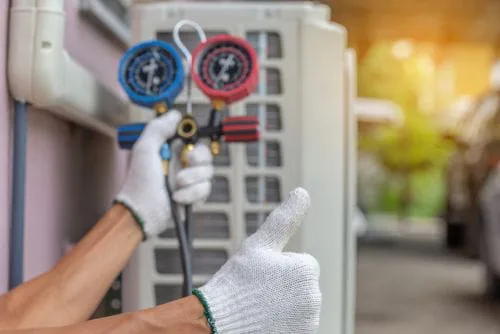
A dependable air conditioner does much more than keep your home cool during the summer. It helps maintain consistent indoor comfort, improves air circulation, and creates a healthier living environment for your family. Like any major home appliance, however, an air conditioning system performs best when it receives regular care. Many homeowners overlook routine maintenance until their unit begins showing signs of trouble, but waiting too long often leads to avoidable repairs and higher energy costs. If you ever notice unusual performance issues, scheduling professional AC repair Troy, MO can help resolve small problems before they become expensive breakdowns.
Routine maintenance is one of the simplest ways to protect your investment and keep your cooling system operating efficiently year after year. Regular inspections, cleaning, and timely servicing reduce unnecessary wear on important components while helping your unit cool your home more effectively. Even a few basic maintenance habits can make a noticeable difference in system performance, monthly utility bills, and overall reliability throughout the hottest months of the year.
Why Air Conditioner Maintenance Is Worth the Effort
Your air conditioner works hard whenever outdoor temperatures rise. Over time, dirt collects on important components, moving parts experience normal wear, and airflow gradually becomes restricted. These issues may seem minor at first, but together they force the system to work harder than necessary. As a result, your energy bills increase while the risk of unexpected mechanical problems also grows.
Regular maintenance keeps your system operating efficiently and helps prevent many common issues before they become serious. It also improves indoor comfort by maintaining steady temperatures throughout your home instead of allowing uneven cooling or excessive humidity to develop.
Some of the biggest benefits include:
- Lower monthly energy costs
- Improved cooling performance
- Longer equipment lifespan
- Better indoor air quality
- Fewer emergency repairs
- Greater overall system reliability
Change Your Air Filter on a Regular Schedule
Replacing the air filter is one of the easiest maintenance tasks homeowners can handle themselves, yet it is often forgotten. A clogged filter restricts airflow, making your air conditioner run longer to reach the desired temperature. That additional workload increases energy consumption and places unnecessary strain on the blower motor and other components.
Check your filter every month, especially during periods of heavy use. Most homes benefit from replacing standard filters every one to three months, although households with pets, smokers, or allergy sufferers may need more frequent replacements.
A clean filter helps:
- Improve airflow
- Reduce dust throughout the home
- Increase cooling efficiency
- Extend equipment life
- Support healthier indoor air
Keep the Outdoor Condenser Unit Clear
The outdoor condenser unit needs unrestricted airflow to remove heat efficiently. Unfortunately, leaves, grass clippings, dirt, and overgrown plants often collect around the equipment without homeowners noticing.
Take a few minutes every few weeks to inspect the area surrounding the unit. Remove debris, trim back shrubs, and maintain at least two feet of open space around all sides. If dirt builds up on the exterior fins, gently rinse the unit with a garden hose after turning off the power.
Simple outdoor maintenance helps your system operate more efficiently and reduces unnecessary strain during peak summer temperatures.
Watch for Early Warning Signs
Most air conditioning systems provide warning signs before they stop working completely. Paying attention to these changes allows homeowners to address problems while repairs remain relatively simple.
Some common warning signs include:
- Weak airflow from vents
- Warm air instead of cool air
- Strange rattling, grinding, or buzzing sounds
- Unpleasant odors
- Frequent cycling on and off
- Water pooling near the indoor unit
- Unexpected increases in energy bills
Ignoring these symptoms often leads to more extensive damage. Prompt inspections can prevent minor concerns from becoming major repairs.
Keep Vents and Registers Open
Your cooling system relies on proper airflow throughout the entire home. Closed or blocked vents force the air conditioner to work harder while reducing comfort in different rooms.
Walk through your home occasionally and check that furniture, rugs, curtains, or storage items are not covering supply or return vents. Dust should also be removed from vent covers to maintain unrestricted airflow.
Good air circulation helps every room cool more evenly while improving overall system efficiency.
Check Your Thermostat Settings
The thermostat serves as the control center for your entire cooling system. Even a perfectly functioning air conditioner cannot perform properly if the thermostat is inaccurate or poorly programmed.
If your home feels warmer than the thermostat setting indicates, it may require recalibration or replacement. Many homeowners also benefit from upgrading to a programmable or smart thermostat, which automatically adjusts temperatures based on your daily schedule.
Small thermostat adjustments can reduce unnecessary runtime while keeping your home consistently comfortable.
Don’t Ignore the Condensate Drain Line
As your air conditioner removes humidity from indoor air, condensation travels through a drain line. Over time, algae, dirt, and debris can clog this line, causing water to back up into the system.
A blocked drain line may lead to:
- Water leaks
- Moisture damage
- Mold growth
- Automatic system shutdowns
Checking the drain periodically helps prevent these problems. If you notice standing water near your indoor unit, schedule an inspection before additional damage occurs.
Schedule Professional Maintenance Every Year
While homeowners can perform several basic maintenance tasks, annual professional service remains essential for keeping the system in excellent condition.
During a maintenance appointment, HVAC technicians thoroughly inspect, clean, and test the entire system. They can identify worn components before they fail and ensure every part operates safely and efficiently.
Professional maintenance typically includes:
- Cleaning evaporator and condenser coils
- Inspecting electrical connections
- Checking refrigerant levels
- Testing thermostat accuracy
- Inspecting safety controls
- Lubricating moving components when necessary
- Measuring overall system performance
Annual tune-ups often extend equipment life while helping homeowners avoid unexpected breakdowns during the hottest days of summer.
Simple Habits That Help Your Air Conditioner Work Better
A few everyday habits can also improve cooling efficiency without requiring expensive upgrades.
Consider these simple practices:
- Close blinds during the hottest part of the day.
- Seal drafts around windows and doors.
- Use ceiling fans to improve air circulation.
- Keep heat-producing appliances away from the thermostat.
- Avoid blocking indoor vents with furniture.
These small adjustments reduce the workload on your air conditioner and help maintain comfortable indoor temperatures.
Quick Air Conditioner Maintenance Checklist
For the best performance throughout the cooling season:
- Replace air filters every one to three months.
- Keep the outdoor condenser free of leaves and debris.
- Clean vents and maintain good airflow.
- Watch for unusual noises or weak cooling.
- Check thermostat settings regularly.
- Inspect the condensate drain line.
- Schedule professional maintenance once every year.
Benefits of Regular Maintenance at a Glance
Consistent maintenance helps homeowners:
- Lower energy bills
- Improve indoor comfort
- Extend system lifespan
- Reduce unexpected repair costs
- Improve indoor air quality
- Increase overall cooling efficiency
Final Thoughts
Air conditioner maintenance does not require complicated routines, but it does require consistency. Simple tasks such as replacing air filters, keeping the outdoor unit clean, and monitoring your system for early warning signs can significantly improve performance and reduce long-term operating costs. Combined with annual professional inspections, these habits help ensure your cooling system remains dependable throughout every summer season.
Taking a proactive approach to maintenance not only protects one of your home’s most valuable systems but also provides greater comfort, better energy efficiency, and peace of mind. A well-maintained air conditioner is far less likely to experience unexpected breakdowns, allowing you to enjoy reliable cooling whenever you need it most.